

Description
Technical Parameters
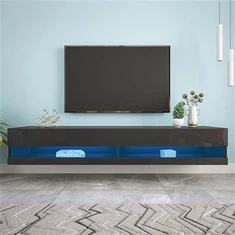
Wall TV Cabinets

I. The Material Revolution in Wall TV Cabinets
Wall TV cabinets (also termed media consoles or floating TV units) have evolved from basic storage to design centerpieces, with material choice defining their durability, aesthetics, and functionality. Below, we dissect the five dominant materials reshaping this category:
1. Engineered Wood: The Cost-Effective Powerhouse
Composition: Layers of wood veneer bonded with formaldehyde-free resins under heat/pressure.
Advantages:
Affordability: 40–60% cheaper than solid wood while mimicking textures like oak or walnut.
Moisture Resistance: Melamine-faced MDF blocks 99% water ingress, preventing core swelling in humid climates.
Design Flexibility: 200+ finishes (e.g., smoked oak, high-gloss white) suit modern, rustic, or industrial themes.
Limitations: Vulnerable to edge chipping if unsealed; mitigated by PVC-wrapped edges + silicone caulk.
Best For: Budget-conscious homeowners; humid environments (e.g., coastal Asia).
2. Solid Wood: Timeless Luxury
Varieties: Oak, mahogany, and walnut for classical richness; bamboo for Asian Zen aesthetics.
Advantages:
Longevity: 20+ year lifespan with proper sealing.
Eco-Profile: Zero VOC emissions and biodegradability.
Limitations:
Cost: 2–3× pricier than engineered alternatives.
Maintenance: Quarterly sealing required to prevent warping.
Best For: Traditional interiors (e.g., European country homes); eco-focused buyers.
3. Metal: Industrial Resilience
Common Types: Stainless steel, powder-coated aluminum.
Advantages:
Durability: Supports 180+ kg loads; scratch/fire-resistant.
Sleek Profiles: Ideal for floating designs in sub-30 cm depths.
Limitations: Cold tactile feel; prone to visible fingerprints.
Best For: Urban lofts; tech-heavy setups needing heat dissipation.
4. Glass: Modern Elegance
Variants: Tempered, frosted, or tinted panels.
Advantages:
Space Amplification: Reflects light, enhancing small rooms.
Hybrid Versatility: Often paired with wood/metal frames.
Limitations: Fragility; high maintenance (daily wiping for smudges).
Best For: Minimalist apartments; display-focused units (e.g., collectible showcases).
5. Mixed Material: Adaptive Innovation
Design Synergy:
Wood + Metal: Walnut shelves with steel legs for farmhouse-industrial fusion.
Glass + Resin: 3D-textured backsplashes with antibacterial properties.
Advantages: Balances aesthetics (e.g., warmth + sleekness) and function (e.g., weight distribution + ventilation).

II. Choosing Your Material: A Data-Driven Guide
Select based on four pillars:
1. Spatial Dynamics
Small Rooms: Opt for engineered wood or glass in slim depths (30–40 cm) to maximize floor space.
Large Areas: Solid wood or metal consoles (80–100 cm wide) anchor expansive walls.
Weight Capacity: Verify load limits:
Engineered wood: ≤50 kg (single unit).
Metal/wood hybrids: ≤180 kg.
2. Style Alignment
Scandinavian: White melamine or light oak.
Industrial: Concrete-look melamine + black steel frames.
Luxury: Gloss lacquer or marble-veined resin.
3. Functional Needs
Child Safety: Rounded corners (engineered wood/metal); anti-slam drawers.
Cable Management: Metal/wood units with rear grommets + hidden channels.
Ventilation: Perforated metal backs or open-frame designs for AV equipment.
4. Climate & Maintenance
Humid Regions: PVC-sealed melamine outperforms moisture-prone solid wood.
Sun-Drenched Rooms: UV-resistant laminates prevent fading (e.g., matte finishes over high-gloss).
III. Mino's Material Mastery: Where Science Meets Craft
We engineer cabinets that transcend material limitations:
E0-Grade Engineered Wood: ≤0.03 ppm formaldehyde (CARB Phase 2 compliant) with 0.5 mm PVC edge sealing.
Hybrid Customization: Combine woodgrain-textured MDF bodies with steel legs or glass accents.
Smart Features:
Integrated RGB LEDs (16M colors; voice/app-controlled).
Magnetic locks and Blum® soft-close hinges.
OEM/ODM Flexibility:
Private-label finishes + custom dimensions (depth: 20–100 cm).
14-day lead time with drop-shipping to EU/NA/Asia.

IV. Material Comparison: Performance Metrics
| Attribute | Engineered Wood | Solid Wood | Metal | Glass |
|---|---|---|---|---|
| Cost (USD) | 80–200 | 250–600 | 150–400 | 120–350 |
| Lifespan | 15+ years | 20+ years | 25+ years | 10–15 yrs |
| Maintenance | Low (wipe) | High (seal) | Medium | High |
| Moisture Res. | ⭐⭐⭐⭐⭐ | ⭐⭐ | ⭐⭐⭐⭐ | ⭐⭐⭐ |
| Customization | ⭐⭐⭐⭐⭐ | ⭐⭐⭐ | ⭐⭐⭐ | ⭐⭐ |
V. Conclusion: Material Intelligence for Lasting Value
Wall TV cabinets demand materials that balance beauty, brawn, and practicality. Whether prioritizing engineered wood's humid-proof versatility, solid wood's timeless grace, or metal's industrial rigor, success hinges on aligning composition with your space, style, and lifestyle.
Mino Cabinetry delivers this harmony:
Eco-Conscious: Solar-powered factories; 98% offcut recycling.
Precision-Engineered: ±0.2mm CNC-cut panels; 15-year structural warranty.
Globally Compliant: CARB Phase 2, ENF, and B1 fire-rated.
Design Your Signature Unit:
Explore Collections: www.minocabinet.com
Technical Support: info@minofurnishings.com
Mino: Where walls don't just hold TVs-they hold stories.
Hot Tags: wall tv cabinets, China wall tv cabinets manufacturers, suppliers, Flat Screen TV Cabinet Wall, Cabinet Below Wall Mounted TV, tv wall cabinet, Built in TV Cabinet Wall
Previous
Flat Panel Tv Wall CabinetNext
Wall Cabinet TvSend Inquiry