

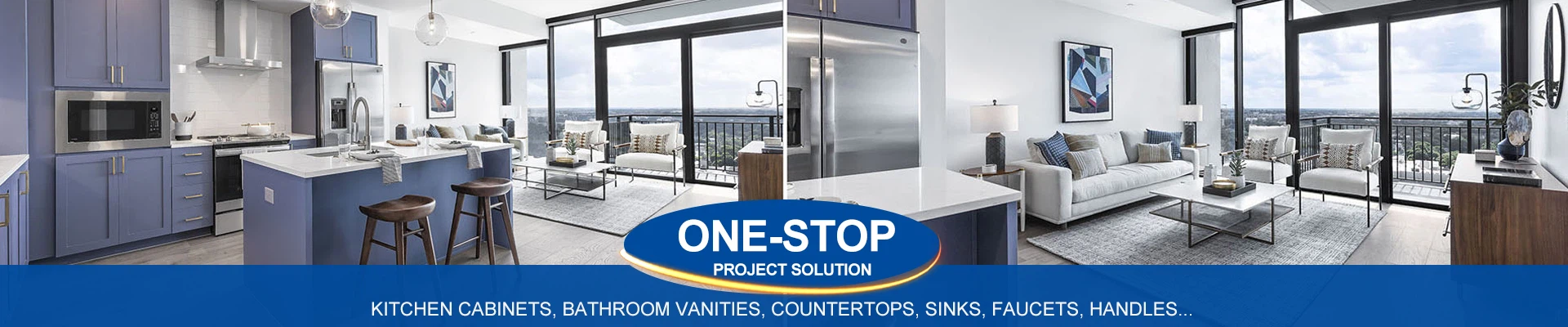
black vs white kitchen cabinets
May 15, 2025
Leave a message
Black vs. White Kitchen Cabinets: A Detailed Comparison

Choosing between black and white kitchen cabinets depends on your style preferences, kitchen size, lighting, and maintenance tolerance. Here's a breakdown to help you decide:
1. Aesthetic Impact
| Black Cabinets | White Cabinets |
|---|---|
| Dramatic & Sophisticated: Creates a bold, modern, or luxe look (ideal for contemporary, industrial, or minimalist kitchens). | Timeless & Airy: Brightens the space, making it feel larger and more open (suits farmhouse, coastal, Scandinavian, or traditional styles). |
| Contrast: Pairs well with light countertops (marble, quartz), metallic accents, or colorful backsplashes. | Versatility: Acts as a neutral backdrop for bold accents (e.g., colorful tiles, wood textures, or brass hardware). |
2. Space Perception
| Black | White |
|---|---|
| Warms Large Spaces: Adds coziness to expansive kitchens but can overwhelm small rooms. | Expands Small Kitchens: Reflects light, enhancing the sense of space (ideal for tight layouts). |
| Lighting Needs: Requires ample natural or artificial light to avoid a "cave-like" feel. | Light-Friendly: Works in low-light kitchens and enhances natural brightness. |
3. Maintenance
| Black | White |
|---|---|
| Shows Dust/Smudges: Fingerprints, water spots, and dust are more visible (matte finishes hide better than high-gloss). | Shows Stains/Dirt: Spills and grime around handles or corners may stand out (easy to clean with mild detergent). |
| Scratches: Scratches or chips are less noticeable on matte black. | Wear & Tear: Chips or yellowing (if unsealed) can be more apparent over time. |
4. Cost
Black: May require more coats of paint or specialized finishes (e.g., high-gloss lacquer), increasing labor costs.
White: Standard for most cabinetry; no added cost unless opting for premium finishes (e.g., hand-painted).
5. Style Pairings
| Black Cabinets | White Cabinets |
|---|---|
| Countertops: Light marble, concrete, or wood. | Countertops: Dark granite, butcher block, or colorful quartz. |
| Hardware: Gold, brass, or matte black for contrast. | Hardware: Brass, chrome, or vintage bronze. |
| Backsplash: Subway tiles, bold patterns, or mirrored glass. | Backsplash: Herringbone tiles, mosaics, or vibrant colors. |
6. Resale Value
| Black | White |
|---|---|
| Polarizing: Appeals to buyers seeking drama but may deter those preferring neutrality. | Broad Appeal: Safe, neutral choice that aligns with most buyers' tastes. |
7. Hybrid Approach
Two-Tone Design: Pair black lowers with white uppers (or vice versa) for balance.
Accent Island: Use black cabinets for the island and white for perimeter cabinets.
Open Shelving: Break up dark or light cabinetry with floating wood shelves.
Final Recommendation
Choose Black Cabinets If:
You love bold, modern aesthetics and have a large, well-lit kitchen.
You're willing to clean surfaces more frequently.
Choose White Cabinets If:
You want a timeless, versatile look that brightens small spaces.
Low maintenance and broad resale appeal are priorities.
Pro Tip: Use matte finishes to minimize smudges on black cabinets, and opt for semi-gloss white for easy cleaning. For a balanced kitchen, mix both colors (e.g., black island + white perimeter).
| Factor | Black Cabinets | White Cabinets |
|---|---|---|
| Best For | Modern, large kitchens | Small, low-light kitchens |
| Maintenance | High (shows smudges) | Moderate (shows stains) |
| Resale Appeal | Niche appeal | Broad appeal |
| Lighting Needs | High | Low/Moderate |
building kitchen cabinets vs buying

This is a fundamental decision in any kitchen renovation, balancing cost, time, skill, and the desired final result. Here's a detailed, unbiased comparison to help you choose the right path for your project.
At-a-Glance Comparison
| Factor | Building (Custom DIY) | Buying (Prefabricated) |
|---|---|---|
| Cost | Potentially lower material cost; high labor cost (your time). | Higher upfront cost; includes manufacturing and design. |
| Time | Very time-consuming (weeks to months). | Fast (days to weeks for delivery/installation). |
| Skill Level | Requires advanced woodworking skills and tools. | Minimal skill required for RTA; professional install for custom. |
| Customization | Total creative freedom. Perfect for odd spaces. | Limited to manufacturer's options. Semi-custom offers some flexibility. |
| Quality | Can be exceptional (using plywood, dovetails) or poor (if inexperienced). | Consistent, but materials vary (particleboard vs. plywood). |
| Complexity | High. Mistakes are costly and hard to fix. | Low to Medium. Like a complex puzzle with instructions. |
| Stress Level | High. You manage the entire process. | Low to Medium. The manufacturer shares the burden. |
Building Your Own Kitchen Cabinets (The DIY Route)
This involves designing, cutting, assembling, finishing, and installing all cabinets yourself.
Pros:
Ultimate Customization: You can build cabinets for a truly unique space-odd angles, specific heights, or non-standard sizes that off-the-shelf options can't match.
Quality Control: You select every material. You can use premium, full-plywood construction with solid wood doors and dovetail joints, resulting in heirloom-quality cabinets.
Cost Savings on Materials: If you already own the necessary tools, you can save significantly on labor costs, potentially making high-end materials more affordable.
Personal Satisfaction: The pride of saying, "I built that," is immense.
Cons:
Requires High Skill Level: You need proficiency in woodworking, including precision cutting, joinery, finishing, and installation. Mistakes are expensive and time-consuming to fix.
Extremely Time-Consuming: This is a massive project that will take weeks or months for an experienced DIYer.
Tool Investment: Requires a workshop and expensive tools: table saw, jointer, planer, drill press, clamps, sanders, and more.
No Warranty: You are the warranty. Any flaws in construction or design are your responsibility to fix.
Best For: Highly skilled woodworkers with a well-equipped shop, plenty of time, and a desire for a truly one-of-a-kind kitchen.
Buying Kitchen Cabinets (Prefabricated)
This includes Ready-to-Assemble (RTA), stock, semi-custom, and full custom cabinets from a manufacturer or retailer.
Pros:
Time Efficiency: The cabinets are manufactured quickly. RTA cabinets can be assembled and installed in a weekend. Professionally installed custom cabinets are still faster than building from scratch.
Professional Finish: Factory finishes (especially thermofoil or sprayed lacquer/paint) are incredibly durable and difficult to replicate in a home shop.
Warranty: Most reputable manufacturers offer warranties on materials and workmanship.
Design Support: Many companies provide kitchen design services to help you create a functional and beautiful layout.
Wide Variety: endless styles, colors, and finishes are available at different price points.
Cons:
Higher Upfront Cost: You pay for materials, manufacturing, design, and often installation.
Limited Sizes: Stock and semi-custom cabinets come in set sizes (e.g., 3" increments), which can lead to filler strips and less-than-perfect fits in some spaces.
Material Quality Varies: You must research. Inexpensive lines often use particleboard or MDF cores, which are less moisture-resistant than plywood.
A Smart Middle Ground: Hybrid Approach
Many homeowners find a successful compromise by mixing methods:
Buy Prefab Boxes, Build Custom Doors: Purchase high-quality, semi-custom cabinet boxes and then build your own custom door and drawer fronts. This gives you a unique look with less overall work.
Build a Custom Island: Buy cabinets for the perimeter but build a statement kitchen island exactly to your specifications.
Conclusion: How to Decide
Answer these questions to find your best path:
What is your skill level?
Advanced DIYer with a shop -> Consider Building.
Novice or no tools -> You must Buy.
What is your timeline?
"I need a kitchen in a few weeks" -> Buy.
"I have all the time in the world" -> Building is an option.
How unique is your space?
Standard layout -> Buying is easy and effective.
Odd angles, very small, or unique needs -> Building may be necessary.
What is your budget priority?
Maximize cash savings and have skills -> Building.
Maximize time savings and guarantee a result -> Buying.
Final Recommendation: For most people, buying semi-custom or quality RTA cabinets is the most practical and successful path. It offers a great balance of customization, quality, and time efficiency. Building your own is a fantastic journey, but it should only be undertaken by those with the requisite skills, tools, and patience for a project of this magnitude.