

can you mix and match kitchen cabinets
May 20, 2025
Leave a message
Yes, you can mix and match kitchen cabinets! Combining different styles, colors, or materials can add visual interest, maximize functionality, and create a custom look. However, it requires careful planning to ensure cohesion. Here's how to do it effectively:
Pros of Mixing & Matching
Personalized Design: Break up monotony with contrasting textures, colors, or styles.
Budget Flexibility: Pair high-end cabinets with affordable ones (e.g., splurge on an island, save on perimeter cabinets).
Functional Zoning: Differentiate areas (e.g., sleek uppers for storage, rustic lowers for pantry items).
Incorporate Existing Cabinets: Blend old and new for a sustainable, cost-effective update.
Cons to Consider
Risk of Clutter: Too many styles/colors can look chaotic.
Complex Coordination: Requires thoughtful balance of elements.
Quality Mismatch: Cheap vs. premium cabinets may highlight inconsistencies.
How to Mix & Match Successfully
1. Choose a Unifying Element
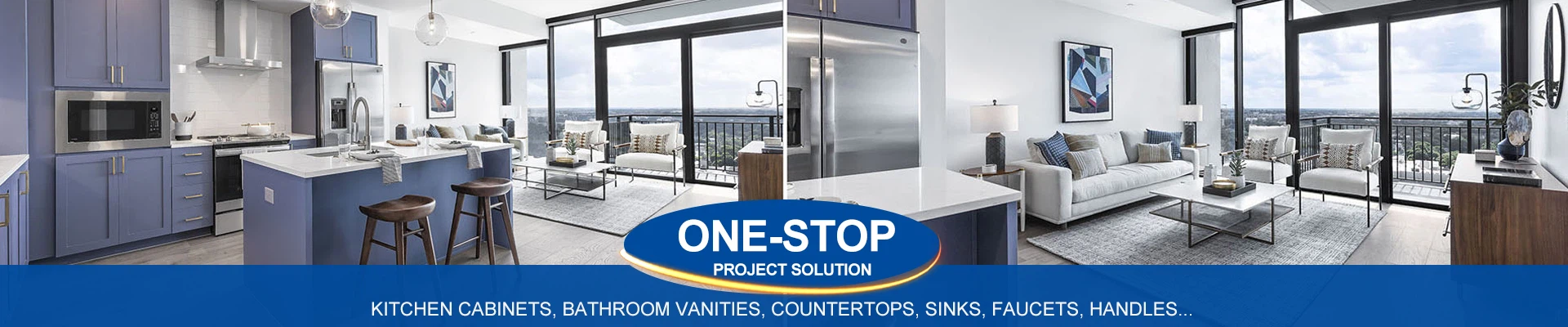
Color: Use one shared color across all cabinets (e.g., white uppers + navy lowers + white island).
Hardware: Match knobs/pulls for consistency.
Countertops/Backsplash: Tie contrasting cabinets together with a neutral countertop.
2. Contrast Upper and Lower Cabinets
Example:
Upper Cabinets: White Shaker-style for a light, airy feel.
Lower Cabinets: Dark wood or charcoal for grounding.
Tip: Use open shelving as a transitional element.
3. Highlight the Island
Make the island a focal point with a bold color (e.g., emerald green) or luxe material (e.g., walnut).
4. Mix Materials & Finishes
Combination Ideas:
Painted + wood stain.
Matte + glossy finishes.
Flat-panel + glass-front cabinets.
Rule of Thumb: Stick to 2–3 materials/finishes max.
5. Blend Old and New Cabinets
Refinish or repaint older cabinets to match new ones.
Use filler panels or trim to align profiles.
6. Vary Door Styles Strategically
Example:
Traditional raised-panel lowers + modern slab uppers.
Shaker perimeter cabinets + open shelving in a breakfast nook.
Where to Mix & Match
| Area | Ideas |
|---|---|
| Upper/Lower | Light uppers + dark lowers. |
| Island | Bold color or contrasting material (e.g., butcher block vs. painted). |
| Pantry/Appliances | Floor-to-ceiling pantry in a different shade. |
| Open Shelving | Pair with closed cabinets for balance. |
Material/Finish Combinations That Work
Wood + Painted: Natural warmth + crisp modernity.
Glossy + Matte: Adds depth without overwhelming.
Neutral + Bold: Soft grays/whites + a pop of navy or sage.
Avoid These Mistakes
Too Many Colors: Stick to 2–3 colors max.
Ignoring Scale: Ensure cabinet heights/depths align for visual flow.
Clashing Styles: Don't pair ornate Victorian with industrial unless intentional.
Cost Considerations
Stock Cabinets: Mix IKEA with semi-custom brands for savings.
Reface/Paint: Update existing cabinets to match new additions.
Final Verdict: Mixing cabinets can create a dynamic, custom kitchen, but balance is key. Use a unifying element (color, hardware, countertop) to tie the look together. Test combinations with samples or digital tools (e.g., IKEA Kitchen Planner) before committing. When done well, it's a budget-savvy way to elevate your space! 🎨✨
Mix & Match Tips
Do: Unify with color/hardware, contrast uppers/lowers, highlight the island.
Avoid: Clashing styles, >3 materials, ignoring scale.
Best For: Personalized, functional, or budget-friendly kitchens.