

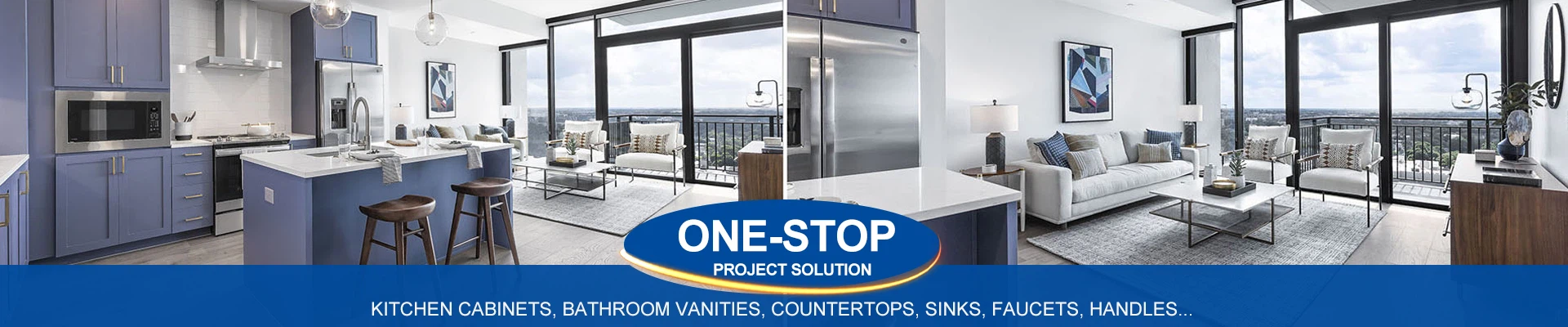
can you paint lacquer kitchen cabinets
Oct 24, 2025
Leave a message
can you paint lacquer kitchen cabinets?

Yes, you absolutely can paint lacquer kitchen cabinets, but it requires a very specific and meticulous process.
Painting over lacquer is challenging because it's an extremely hard, non-porous finish designed to resist wear and chemicals. Standard painting techniques will fail, leading to peeling.
Here is a detailed, step-by-step guide to ensure a durable, professional-looking finish.
The Big Challenge: Adhesion
Lacquer creates a slick, sealed surface that paint cannot grip. The goal is to thoroughly "degloss" and scuff this surface to create a "tooth" for the new paint to adhere to.
The Step-by-Step Guide to Painting Lacquer Cabinets
PHASE 1: Preparation (The Most Critical Phase)
This phase is 90% of the work and 100% of the success.
1.Clean & Degrease (Non-Negotiable):
Lacquer cabinets are often covered in a waxy polish and kitchen grease. Use a strong degreaser like TSP (Tri-Sodium Phosphate) substitute or Krud Kutter.
Scrub every surface and rinse thoroughly with water. Let dry completely.
2.Sand/Scuff the Surface (The Key to Adhesion):
- Goal: Don't remove the lacquer, just thoroughly dull the entire glossy surface.
- Method: Use 120-150 grit sandpaper or a red Scotch-Brite pad. Sand until the surface is uniformly matte with no shiny spots.
Tip: A liquid deglosser (like M-1) can help, but sanding is more reliable.
3.Clean: Wipe away all dust with a tack cloth.
Prime with a HIGH-ADHESION Primer:
This is the most important step. You must use a primer designed to stick to slick surfaces.
Best Choice: Zinsser BIN Shellac-Based Primer. It has unparalleled adhesion and will stick to the sanded lacquer, creating a perfect base for paint.
4.Application: Apply one thin, even coat with a brush or roller.
Sand the Primer:
Once the primer is dry, lightly sand it with 220-grit sandpaper until it's glassy smooth. This ensures a smooth final coat.
Wipe clean with a tack cloth.
PHASE 2: Painting
5.Choose a Durable Cabinet Paint:
Do not use wall paint. You need a hard, durable finish.
Top Choices:
- Benjamin Moore Advance (water-based alkyd, self-leveling)
- Sherwin-Williams Emerald Urethane Trim Enamel
Fine Paints of Europe (professional-grade)
6.Apply the Paint:
- Use a hybrid technique: A high-quality brush for edges and a high-density foam roller for flat panels.
- Apply 2-3 thin coats, sanding lightly with 220-grit paper between coats.
Tip: Maintain a "wet edge" to avoid lap marks.
PHASE 3: The Cure
Allow for a Full Cure:
Paint may feel dry in hours, but it takes 2-4 weeks to fully harden (cure). Be extra gentle with your cabinets during this time.
What NOT to Do
- Skip the Cleaning or Sanding: This is the #1 reason for failure.
- Use the Wrong Primer: Latex or standard primers will not adhere properly.
- Use Wall Paint: It remains soft and will chip easily.
- Apply Paint Too Thickly: Leads to drips and a less durable finish.
Pro Tip: Test First!
Before committing, practice on the inside of a cabinet door or a small, hidden area. This will confirm your technique and the paint's adhesion.
can you paint lacquer kitchen cabinets?
Yes, you can successfully paint lacquer kitchen cabinets with the right preparation and materials. The process is demanding but achievable for a patient DIYer.
Your success hinges entirely on the preparation. The combination of thorough degreasing, sanding, and a high-adhesion shellac-based primer is non-negotiable.
If you are not confident in your DIY skills, hiring a professional painter experienced with cabinetry is a worthwhile investment.
how to re lacquer kitchen cabinets

Re-lacquering kitchen cabinets is a professional-level refinishing technique that can yield stunning, durable results. However, it's crucial to understand that true lacquer is a specific, fast-drying, solvent-based finish that is typically sprayed on in a controlled environment due to fumes and the need for flawless application.
For most DIYers, achieving a "lacquer-like" finish with more user-friendly materials is the practical goal. Here is a comprehensive guide covering both the professional process and a safer, highly effective DIY alternative.
Important Note: True Lacquer vs. Lacquer-Like Finishes
True Lacquer: A nitrocellulose or catalyzed finish that is sprayed. It dries extremely fast to a very hard, durable surface. It's difficult for DIYers due to toxic fumes and the need for HVLP spray equipment.
Lacquer-Like Finishes (Recommended for DIY): Modern water-based or alkyd paints that are designed to level to a smooth, hard finish similar to lacquer. We will focus on this method.
DIY Method: Achieving a "Lacquer-Like" Finish
This process uses brush/roller-friendly products that mimic the hard, smooth look of lacquer.
What You'll Need:
Degreaser: TSP substitute or Krud Kutter.
Sandpaper: 120, 150, and 220-grit.
Tack Cloths
High-Adhesion Primer: Zinsser BIN (shellac-based) is best for sealing and adhesion.
"Lacquer-Like" Paint:
Benjamin Moore Advance (Water-based Alkyd): The top choice. It self-levels, dries hard, and is durable.
Sherwin-Williams Emerald Urethane Trim Enamel: Another excellent, durable option.
Clear Topcoat (Optional but Recommended): A water-based polyurethane (e.g., Minwax Polycrylic) for maximum durability.
High-Quality Brushes & Foam Rollers
Step-by-Step Process:
PHASE 1: Complete Preparation (The Foundation)
- Remove & Label: Take off all doors, drawers, and hardware. Label everything.
- Deep Clean: Clean all surfaces with a degreaser to remove all grease, wax, and grime. Rinse and dry completely.
- Strip Old Finish (If Necessary): If the old lacquer is peeling or chipping, you must remove it. Use a chemical stripper, then scrape and sand. This is the most labor-intensive step.
- Sand: Sand all surfaces with 120-grit paper to "scuff" the existing finish and create a "tooth" for the primer. Wipe clean with a tack cloth.
PHASE 2: Priming & Sealing
- Apply Primer: Use a brush for edges and a foam roller for flat surfaces to apply a thin, even coat of Zinsser BIN Primer. This seals the surface and provides excellent adhesion.
- Sand the Primer: Once dry, lightly sand with 220-grit paper until perfectly smooth. Wipe clean.
PHASE 3: Applying the Finish Coat
- Apply First Coat of Paint: Stir the paint (do not shake, to avoid bubbles). Apply the first thin coat using your brush and roller technique. Let it dry completely as per the can's instructions (often 4-6 hours for BM Advance).
- Smooth Between Coats: Lightly sand the first coat with 220-grit paper to remove any dust nibs or imperfections. This is the secret to a smooth finish. Wipe clean.
- Apply Second Coat: Apply a second thin coat. For a truly flawless finish, a third coat may be necessary.
PHASE 4: Optional Topcoat & Cure
- Apply Protective Topcoat: For maximum durability and chemical resistance (against cleaners, etc.), apply 2-3 thin coats of a clear, water-based polyurethane, sanding lightly between coats.
- The Long Cure: Reassemble after 24-48 hours. The finish will take 3-4 weeks to fully harden (cure). Be gentle during this time.
Professional Method: Using True Lacquer
This is included for reference, but it is not recommended for DIY homeowners.
1.Equipment Needed: HVLP (High Volume Low Pressure) spray system, professional-grade respirator, explosion-proof spray booth or extremely well-ventilated area.
2.Process:
Preparation is identical (clean, strip, sand).
The cabinet is sealed with a sanding sealer.
Catalyzed Lacquer is mixed with a hardener and then sprayed in multiple thin, wet coats.
It dries to the touch in minutes and can be sanded and recoated quickly.
The finish is incredibly hard and durable.
3.Why it's a professional job: The fumes are highly flammable and toxic. Achieving a drip-free, orange-peel-free finish requires significant spray gun experience.
Pro Tips for a Flawless Finish
- Environment is Key: Work in a clean, dust-free, and well-ventilated area.
- Thin Coats are Everything: Thick coats lead to drips, sags, and a longer drying time.
- Invest in Tools: High-quality brushes and foam rollers make a significant difference in the final smoothness.
Conclusion & Recommendation
For 99% of homeowners, the DIY method using Benjamin Moore Advance or a similar product is the best and safest choice. It will give you a beautiful, hard, and durable "lacquer-like" finish without the hazards and steep learning curve of true lacquer.
Final Verdict: Unless you are an experienced painter with professional spray equipment and a safe workspace, avoid true lacquer. The modern alternatives like water-based alkyds are designed specifically to provide a professional-quality finish with brush-and-roller application. Your patience during the preparation and sanding stages will be rewarded with a stunning, long-lasting result.
how to put lacquer on a laminate kitchen cabinet

Applying lacquer to laminate kitchen cabinets is a challenging but possible DIY project. The key is understanding that laminate is a non-porous, slick plastic surface, which makes adhesion the primary hurdle.
Important Note: For a durable, long-lasting result, using a brush-on, "lacquer-like" paint (like Benjamin Moore Advance) is highly recommended over true, spray-on lacquer for DIYers. True lacquer is very difficult to apply without professional spray equipment.
Here is a safe, effective step-by-step guide.
The Big Challenge: Adhesion
Laminate is designed to be stain-resistant and easy to clean, which means it rejects paint. Standard painting techniques will fail quickly. The goal is to create a "tooth" on the slick surface and use the right primer to create a bond that won't peel.
Recommended DIY Method: "Lacquer-Like" Finish
This method uses professional-grade products that are DIY-friendly and will give you a hard, durable finish similar to lacquer.
What You'll Need:
- Degreaser: TSP substitute or Krud Kutter.
- Sandpaper: 120-150 grit and 220-grit.
- Tack Cloths
- HIGH-ADHESION Primer: Zinsser BIN Shellac-Based Primer is the best choice for this project. It sticks to almost anything, including laminate.
- "Lacquer-Like" Paint: Benjamin Moore Advance (water-based alkyd) or Sherwin-Williams Emerald Urethane Trim Enamel. These are self-leveling and cure to a hard finish.
- High-Density Foam Rollers & Quality Brushes
- Clear Protective Topcoat (Optional but Recommended): Water-based polyurethane (e.g., Minwax Polycrylic) for extra durability.
Step-by-Step Process:
PHASE 1: Preparation (The Most Critical Step)
Remove & Label: Take off all doors, drawers, and hardware. Label everything for easy reassembly.
- Deep Clean: Clean every surface with a degreaser. Laminate often has a waxy film. Rinse thoroughly and let dry completely.
- Sanding (Create "Tooth"): Lightly sand the entire laminate surface with 120-150 grit sandpaper. You don't need to remove the laminate, just thoroughly scuff the glossy finish until it's uniformly dull. This is essential for the primer to grip.
- Clean Again: Wipe away all sanding dust with a tack cloth.
- PHASE 2: Priming (The Key to Success)
- Apply Primer: Use a brush for edges and a foam roller for flat surfaces to apply a thin, even coat of Zinsser BIN Primer. This shellac-based primer will adhere to the sanded laminate like glue.
- Sand the Primer: Once dry, lightly sand the primed surface with 220-grit sandpaper until it's glassy smooth. This ensures a smooth final coat. Wipe clean.
PHASE 3: Painting & Sealing
- First Coat of Paint: Apply the first thin coat of your chosen paint (e.g., Benjamin Moore Advance). Use the same brush-and-roller technique.
- Sanding Between Coats: Let the first coat dry completely. Lightly sand with 220-grit paper to remove any dust nibs. Wipe clean.
- Second Coat: Apply a second thin coat.
- Apply Protective Topcoat (Highly Recommended): For maximum durability against moisture, stains, and cleaning chemicals, apply 2-3 thin coats of a clear water-based polyurethane, sanding lightly between coats.
PHASE 4: The Cure
- Reassemble with Care: Wait at least 24-48 hours after the final coat before rehanging doors.
- Full Cure: The paint will feel dry but takes 3-4 weeks to fully harden (cure). Be extra gentle during this time.
Advanced Method: Using True Lacquer
This is much more difficult and is not recommended for beginners.
- Process: The preparation is identical (clean, sand, prime with Zinsser BIN). However, instead of brush-on paint, you would use a spray lacquer (like Deft) from an aerosol can or an HVLP spray gun.
- Why It's Difficult:
- Application: Requires multiple thin, even coats to avoid drips.
- Fumes: Produces strong, flammable, and potentially harmful vapors. Requires a respirator and excellent ventilation.
- Finish: It's very hard to achieve a smooth, professional-looking finish without experience and the right equipment.
Pro Tips for Success
- Test First: Always practice on the back of a door or an inconspicuous area.
- Environment: Work in a clean, well-ventilated, and dust-free area.
- Thin Coats: Multiple thin coats are always better than one thick coat.
- Be Patient: Rushing the drying and curing times is the most common cause of failure.
What to Avoid
- Skipping the Degreasing or Sanding Steps.
- Using a Standard Latex Primer or Paint.
- Applying True Lacquer with a Brush (it's designed for spraying).
Conclusion
While applying a true lacquer finish to laminate is challenging, you can achieve a beautiful, durable "lacquer-like" finish by using the right materials and techniques.
Final Recommendation: Follow the DIY method using Zinsser BIN Primer and Benjamin Moore Advance paint. This combination provides the best chance for a successful, long-lasting transformation of your laminate cabinets without the risks and difficulties of professional spray lacquer.