

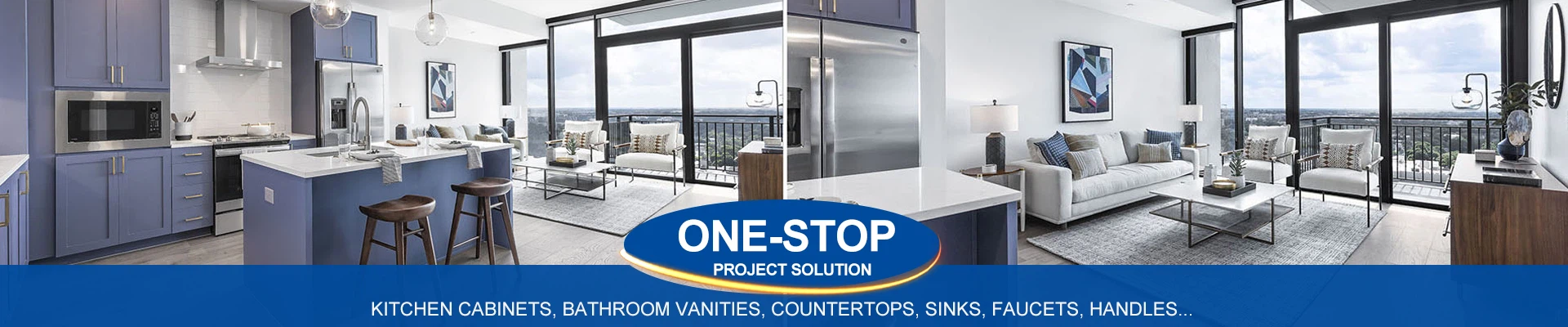
custom kitchen cabinets price per linear foot
May 19, 2025
Leave a message
Custom Kitchen Cabinets Price Per Linear Foot (2023–2024)

Custom kitchen cabinets are tailored to your exact specifications, offering unmatched design flexibility and quality. Prices vary widely depending on materials, labor, and design complexity. Below is a detailed breakdown of costs per linear foot (LF), factors affecting pricing, and tips to optimize your budget:
Average Price Ranges
| Material/Quality | Price Per Linear Foot | Details |
|---|---|---|
| Budget Custom (MDF) | 300–300–300–600 | Painted or thermofoil finish; minimal customization. |
| Mid-Range Custom | 600–600–600–1,000 | Plywood or solid wood (e.g., maple, cherry), semi-custom finishes. |
| High-End Custom | 1,000–1,000–1,000–2,500+ | Premium hardwoods (walnut, mahogany), handcrafted details, luxury finishes. |
What's Included in the Price Per Linear Foot?
Cabinetry: Doors, drawers, and boxes built to your dimensions.
Material Costs: Wood, finishes, and hardware.
Labor: Design, fabrication, and finishing by a cabinetmaker.
Basic Features: Standard hinges, shelves, and drawer glides.
Factors Affecting Cost
Material:
MDF/Plywood: 300–300–300–600/LF (budget-friendly, painted finishes).
Solid Wood: 600–600–600–1,500/LF (oak, maple, cherry).
Exotic Hardwoods: 1,200–1,200–1,200–2,500+/LF (walnut, teak, mahogany).
Design Complexity:
Simple Shaker: 500–500–500–800/LF.
Raised Panel/Ornate: 800–800–800–1,500+/LF.
Finish:
Painted/Stained: Included.
Glazed/Distressed: +50–50–50–150/LF.
High-Gloss Lacquer: +200–200–200–400/LF.
Hardware:
Soft-close hinges/drawers: +20–20–20–50 per piece.
Custom pulls/knobs: +10–10–10–100 each.
Labor:
Urban areas (NYC, LA): 20–30% higher due to labor/overhead.
Custom vs. Semi-Custom vs. Stock
| Type | Price Per LF | Pros | Cons |
|---|---|---|---|
| Custom | 300–300–300–2,500+ | ✅ Perfect fit, unique design. | ❌ Highest cost, longer lead time (8–16 weeks). |
| Semi-Custom | 200–200–200–800 | ✅ Partial customization, faster. | ❌ Limited sizing/finish options. |
| Stock | 80–80–80–300 | ✅ Fast, affordable. | ❌ Generic sizes/styles. |
Additional Costs to Budget For
Installation: 50–50–50–150/LF (if not included).
Design Fees: 500–500–500–2,000 (for custom blueprints).
Delivery: 200–200–200–1,000 (for large/heavy orders).
Specialty Features:
Pull-out shelves: +100–100–100–300 each.
Glass-front doors: +150–150–150–500 each.
Built-in lighting: +500–500–500–2,000.
Cost-Saving Tips
Simplify Design: Stick to Shaker-style doors and standard depths (24" base, 12" upper).
Choose Plywood Over Solid Wood: Offers durability at a lower cost.
Limit Custom Sizing: Use filler panels to adjust for uneven walls.
Buy Hardware Separately: Source knobs/pulls from budget retailers like Amazon or IKEA.
Compare Quotes: Get estimates from 3–5 local cabinetmakers or high-end retailers.
Best Value Custom Cabinet Options
Plywood Shaker Cabinets (600–600–600–900/LF):
Timeless style, durable, and accepts paint/stain well.
Thermofoil Over MDF (400–400–400–700/LF):
Moisture-resistant, ideal for contemporary kitchens.
Local Cabinet Shops: Often cheaper than national brands (e.g., 500–500–500–1,200/LF).
Final Recommendation:
For a 10x10 kitchen (25–30 LF), expect to invest:
Budget Custom: 9,000–9,000–9,000–18,000.
Mid-Range Custom: 15,000–15,000–15,000–30,000.
Luxury Custom: 30,000–30,000–30,000–75,000+.
Prioritize plywood boxes and soft-close hardware for longevity, and work with a reputable cabinetmaker who provides a warranty. Custom cabinets are a long-term investment-balance uniqueness with practicality!
do you put vinyl flooring under kitchen cabinets

This is a common point of confusion in kitchen renovations, and the answer has important long-term implications.
The short answer is: It depends on the type of vinyl flooring you are installing.
Here's a detailed breakdown to help you make the right decision for your project.
1. For Floating Vinyl Planks (LVT, LVP, WPC, SPC) - NO
This is the most critical rule. You should NEVER install floating vinyl plank flooring under kitchen cabinets.
How It Works: Floating floors are not attached to the subfloor. They "float" over an underlayment, locked together as a single, expansive mat. The floor needs to be able to expand and contract with changes in temperature and humidity.
The Problem: If you install cabinets on top of a floating floor, you pin it down. This prevents the necessary expansion and contraction, which can lead to:
Buckling: The floor will have nowhere to expand except upwards, causing planks to push against each other and creating humps or peaks.
Gapping: When the floor contracts, it can pull apart at the seams because it's anchored in place by the cabinets.
Damage: The pressure can damage the locking mechanisms of the planks and potentially damage the cabinets themselves.
Correct Installation for Floating Floors:
Install the underlayment.
Install the floating vinyl floor up to the cabinets, leaving the recommended expansion gap (usually 1/4 to 1/2 inch) around the entire perimeter.
Install the kitchen cabinets directly onto the subfloor.
The toe-kick of the cabinets will hide the expansion gap.
2. For Glue-Down or Peel-and-Stick Vinyl - YES (Optional)
For vinyl that is fully adhered to the subfloor, the rules are different. It is acceptable and common to install it under cabinets.
How It Works: Since the vinyl sheet or tile is glued down over the entire subfloor, it cannot expand or contract as a unit. It becomes a permanent part of the subfloor.
The Benefit: Installing it under the cabinets creates a seamless look and protects the subfloor. It also makes future cabinet changes easier, as you won't have to patch the floor.
The Drawback: If you ever need to replace the flooring, you would have to remove the cabinets first. It also uses more material.
Correct Installation for Glue-Down Vinyl:
You can install the vinyl flooring over the entire room first, then place the cabinets on top.
Comparison Table: At-a-Glance
| Flooring Type | Install Under Cabinets? | Why? |
|---|---|---|
| Floating Vinyl Plank (LVP/LVT) | NO | Prevents necessary expansion/contraction, leading to buckling and damage. |
| Glue-Down Vinyl Sheet/Tile | YES (Optional) | Becomes part of the subfloor; no risk of movement. |
| Peel-and-Stick Vinyl | YES (Optional) | Becomes part of the subfloor; no risk of movement. |
Key Considerations & Pro Tips
Appliance Dilemma: The same rule applies to heavy, permanent appliances like a dishwasher. For a floating floor, the dishwasher should sit on the subfloor, not the flooring. However, freestanding refrigerators and stoves can sit on top of the floating floor.
Future-Proofing: Not installing the floating floor under the cabinets makes future kitchen renovations much simpler and cheaper. You can change the cabinet layout or just the flooring without a full tear-out.
Height Transitions: If you are installing a thick floating floor (like some SPC/WPC cores) and not putting it under the cabinets, there will be a height difference where the floor meets the toe-kick. Ensure your toe-kick is deep enough to cover this.
Dishwasher Installation: This is a common challenge. If the dishwasher is installed after the floating floor, you may need to adjust its legs to slide over the flooring and still fit under the countertop.
Conclusion
To ensure a successful installation, always follow this rule of thumb:
If your vinyl flooring is a "floating" installation, do NOT put it under the cabinets. Install the cabinets on the subfloor first, then install the flooring around them.
When in doubt, follow the manufacturer's installation instructions for your specific product. This is the best way to protect your warranty and ensure a long-lasting, beautiful floor.
Final Recommendation: For the vast majority of modern vinyl plank (LVP) installations, the safest and most recommended practice is to install the cabinets directly to the subfloor and then install the floating floor around them.
do you seal kitchen cabinets after painting
The answer isn't a simple yes or no-it depends on the type of paint you use and the level of durability you want.
Here's a detailed breakdown to help you decide.
The Short Answer
For most modern, high-quality cabinet paints, an additional sealer is not strictly necessary. The paint itself is designed to be durable. However, adding a clear topcoat (sealer) can provide an extra layer of protection, especially in high-moisture, high-traffic kitchens or when using certain types of paint.
Sealing vs. Not Sealing: A Quick Guide
| Scenario | Recommendation | Reasoning |
|---|---|---|
| Using a dedicated cabinet/trim enamel (e.g., Benjamin Moore Advance, Sherwin-Williams Emerald Urethane) | Usually NOT necessary | These paints are formulated to self-level, cure to a hard, durable finish, and resist moisture and cleaning. |
| Using a standard wall paint | YES, strongly recommended | Wall paint is not durable enough for cabinets. A topcoat is essential for protection. |
| In a high-humidity environment (e.g., steamy kitchens, homes in humid climates) | Recommended | Adds an extra barrier against moisture penetration. |
| For cabinets that will get heavy use (e.g., family with young children) | Recommended | Provides superior resistance to scratches, stains, and frequent cleaning. |
| When using chalk paint or milk paint | YES, required | These paints are porous and require a protective topcoat. |
| To achieve a specific sheen (e.g., want a clear gloss over a satin paint) | YES | A clear topcoat is the only way to adjust the final sheen. |
Benefits of Applying a Topcoat (Sealer)
Enhanced Durability: Provides a harder, more scratch-resistant surface.
Improved Moisture Resistance: Creates a better barrier against steam, spills, and cleaning products.
Easier Cleaning: The non-porous surface makes wiping down grease and grime much easier.
Sheen Control: You can change the final look to a glossier or more matte finish.
How to Seal Cabinets (If You Choose To)
If you decide to add a protective topcoat, follow these steps for a flawless result:
Let the Paint Cure Fully: This is the most critical step. Paint can feel dry to the touch in hours, but it takes 3-4 weeks to fully cure and harden. Applying a topcoat before the paint has cured can lead to wrinkling, poor adhesion, or a cloudy finish.
Choose the Right Product: Use a water-based polyurethane or polycrylic.
Water-Based Polyurethane: Very durable and resistant to water, chemicals, and wear. It can have a slight amber tint (less so than oil-based), which might warm up cool paint colors.
Polycrylic: Crystal clear, non-yellowing, and easy to clean up. A great choice for preserving the true color of white or cool gray paints.
Sheen: Choose a sheen that matches your desired look (e.g., matte, satin, semi-gloss).
Lightly Sand: Before applying, lightly sand the painted surface with 320-grit sandpaper or a fine sanding sponge. This creates a slight "tooth" for the topcoat to adhere to. Remove all dust with a tack cloth.
Apply Thin Coats: Use a high-quality synthetic brush or a foam roller to apply a very thin, even coat. Avoid over-brushing.
Sand Between Coats: Once the first coat is dry (per product instructions), lightly sand again with 320-grit paper and wipe clean. This ensures a smooth finish for the next coat.
Apply a Second Coat: Most projects will require at least two thin coats for even coverage and protection.
Potential Drawbacks of Sealing
Alters the Feel: Can sometimes create a plastic-like feel over the paint.
Risk of Yellowing: Oil-based polyurethane will yellow over time, which is undesirable over white or gray paints. Stick to water-based products to avoid this.
Application Errors: Can show brush strokes, drips, or dust nibs if not applied carefully.
Extra Time & Cost: Adds another step, more materials, and more drying time to your project.
Conclusion & Final Recommendation
For most DIYers using a high-quality cabinet paint (like Benjamin Moore Advance or Sherwin-Williams Emerald Urethane), skipping the topcoat is perfectly acceptable and often recommended. These paints are engineered to be durable and will cure to a very hard finish on their own.
You should ADD a clear topcoat if:
You used a less durable paint (e.g., standard wall paint, chalk paint).
Your kitchen is exceptionally busy or humid.
You want absolute maximum protection for your hard work.
Pro Tip: The best protection starts with preparation and primer. Using a high-adhesion primer and following the paint manufacturer's instructions for application and curing is more important than adding a sealer after the fact.
Always test your topcoat on a spare painted sample or an inconspicuous area (like the inside of a cabinet door) to ensure you are happy with the final look and sheen before committing to the entire project.
do you stain the inside of kitchen cabinets

This is a common point of consideration during a kitchen renovation or cabinet refresh.
The short answer is: No, staining the inside of kitchen cabinets is not standard practice, and it's often not recommended. It is primarily an aesthetic choice with several practical drawbacks.
Here's a detailed breakdown to help you understand why and when you might consider it.
Why Staining the Inside is Generally Not Recommended
Cost and Time Prohibitive: Staining is a labor-intensive process (sanding, pre-stain conditioning, multiple coats of stain, followed by multiple coats of sealant). Doing the interior multiplies the project's cost and time significantly.
Strong Fumes and Curing Time: Oil-based stains and polyurethane sealants have powerful fumes that can linger for weeks inside enclosed cabinets, potentially transferring to dishes and food.
Durability and Maintenance: The inside of cabinets takes a beating from objects being moved in and out. A stained and varnished surface is more susceptible to scratches and wear than a painted or raw surface. Touching up a stained and finished surface is very difficult to do seamlessly.
No Functional Benefit: It doesn't make the cabinets more hygienic or easier to clean. In fact, a smooth, painted surface or laminate is often easier to wipe down.
Potential for Tackiness: If not sealed perfectly, stained wood can feel slightly tacky, which is not ideal for storing dishes and glasses.
When You Might Consider Staining the Interior
Despite the drawbacks, there are a few scenarios where it makes sense:
Open Shelving or Glass-Front Cabinets: If you have open shelves or cabinets with glass doors where the interior is fully visible, staining creates a finished, cohesive look that matches the exterior.
High-End, Custom Cabinetry: In luxury homes, absolutely every detail is finished to the highest standard. Staining the interior is a mark of exceptional craftsmanship and expense.
Personal Aesthetic Preference: You simply love the look of natural wood and want that experience every time you open a cabinet door.
The Standard & Recommended Alternatives
The standard, most practical finishes for cabinet interiors are:
Natural (Unfinished) with a Seal: For wood cabinets like maple or birch, the interior is often lightly sanded and may receive a single light coat of clear shellac or lacquer. This seals the wood from moisture and odors without changing its color or adding significant cost. It provides a clean, neutral backdrop.
Paint: Painting the interior is very common and offers advantages:
Brightness: A white or light-colored interior makes it easier to see contents.
Cleanliness: Provides a smooth, easy-to-wipe surface.
Moisture Resistance: A good paint job seals the wood effectively.
Melamine/Laminate: Most factory-built cabinets have interiors made of melamine-coated particleboard or plywood. This is a highly durable, easy-to-clean, and cost-effective solution.
What About the "Drawer Box" and Shelves?
Drawer Boxes: These are almost always made from a light, unfinished wood like poplar or maple, or from melamine. They are rarely stained for the same practical reasons.
Shelves: Shelves are typically made from the same material as the cabinet interior (e.g., unfinished plywood, melamine, or painted wood).
If You Decide to Stain the Interior: Pro Tips
If you've weighed the pros and cons and decided to proceed, here's how to do it right:
Choose Materials Wisely: Use a water-based stain and polyurethane. They have lower VOCs (less odor) and dry faster than oil-based products.
Prep Meticulously: Sand the wood smoothly and use a pre-stain wood conditioner to ensure an even stain application without blotchiness.
Ventilate: Keep doors and windows open during application and curing. Remove drawers and shelves to finish them separately.
Allow Full Cure Time: Do not put anything in the cabinets for at least several days, or preferably a few weeks, to allow fumes to completely dissipate and the finish to fully harden.
Conclusion
For 99% of kitchen projects, staining the inside of cabinets is an unnecessary expense and effort that offers no practical benefits.
The best and most common approach is:
Stain or paint the exterior for beautiful curb appeal.
Leave the interior a natural, sealed wood tone or paint it a light color for functionality.
This approach saves significant time and money while ensuring your cabinets are practical, durable, and easy to live with.
Final Tip: If you love the wood look inside but don't want the hassle of staining, consider using peel-and-stick wood veneer or contact paper designed for shelves. It's an easy, low-commitment way to achieve a similar aesthetic.
do you tile a kitchen floor before installing cabinets

This is a foundational decision in any kitchen renovation, and the answer has significant implications for the long-term durability and flexibility of your kitchen.
The short answer is: It depends entirely on the type of flooring you are installing.
Here's a detailed, easy-to-follow guide to help you make the right choice for your project.
The Quick Answer: A Decision Guide
| Flooring Type | Install Before or After Cabinets? | Primary Reason |
|---|---|---|
| Floating Floor (Laminate, Luxury Vinyl Plank/LVT, Engineered Hardwood) | AFTER Cabinets | Prevents the floor from being pinned down, allowing it to expand and contract naturally. Installing under cabinets can cause buckling. |
| Glue-Down / Nail-Down Floor (Solid Hardwood, Tile, Sheet Vinyl, Glue-Down LVT) | BEFORE Cabinets | Creates a seamless, professional look and protects the subfloor. Makes future cabinet changes easier. |
Scenario 1: Floating Floors - Install AFTER Cabinets
What is a floating floor? Planks or tiles that lock together but are not attached to the subfloor. They "float" over an underlayment.
Why AFTER is mandatory:
Floating floors need room to expand and contract with changes in temperature and humidity. If you install heavy, permanent cabinets on top of them, you pin the floor down. This prevents natural movement, which can lead to:
Buckling: The floor has nowhere to expand except upwards, creating humps and peaks.
Gapping: When the floor contracts, it can pull apart at the seams because it's anchored by the cabinets.
Damage: The pressure can damage the locking mechanisms and potentially damage the cabinets.
Correct Installation Steps for Floating Floors:
Install the kitchen cabinets directly onto the subfloor.
Install the floating floor up to the cabinets, leaving the manufacturer-recommended expansion gap (usually 1/4 to 1/2 inch) around the entire perimeter.
The cabinet's toe-kick will hide this expansion gap perfectly.
Scenario 2: Glue-Down / Solid Floors - Install BEFORE Cabinets
What is a glue-down floor? Material that is permanently adhered (glued, nailed, or mortared) to the subfloor.
Why BEFORE is recommended:
Seamless Look: It creates a continuous, professional finish without awkward transitions or cuts around the cabinet bases.
Protects the Subfloor: The entire subfloor is sealed and protected from moisture.
Future-Proofing: If you ever want to change your kitchen layout, you can remove the cabinets without having to patch or replace the flooring underneath. The floor will be complete underneath.
Structural Integrity: For heavy materials like tile, it's better to have a continuous, well-supported surface.
Correct Installation Steps for Glue-Down Floors:
Install the flooring over the entire kitchen floor.
Place the cabinets on top of the new flooring.
Key Considerations & Pro Tips
Appliance Dilemma: The same rule applies to heavy, permanent appliances like a dishwasher. For a floating floor, the dishwasher should sit on the subfloor. However, freestanding appliances (fridge, range) can sit on top of the finished floor.
Height Transitions: If you install a thick floating floor after the cabinets, there will be a height difference where the floor meets the toe-kick. Ensure your toe-kick is deep enough to cover the gap and the expansion space.
Cost Savings: Installing a floating floor after the cabinets can save money because you use less flooring material.
Dishwasher Installation: This is a common challenge with floating floors. You may need to adjust the dishwasher's legs to slide over the flooring and still fit under the countertop.
Conclusion and Final Recommendation
To ensure a successful, long-lasting installation, always follow this simple rule:
If your flooring is a "floating" installation, install the cabinets first. If your flooring is "glue-down," install the flooring first.
When in doubt, always follow the manufacturer's installation instructions for your specific flooring product. This is the best way to protect your warranty and avoid costly mistakes.
For most modern kitchens using popular materials like LVP (Luxury Vinyl Plank) or laminate, the standard and correct procedure is to install the cabinets on the subfloor first, then install the floating floor around them. This approach guarantees the floor can function as designed and makes future renovations much simpler.