

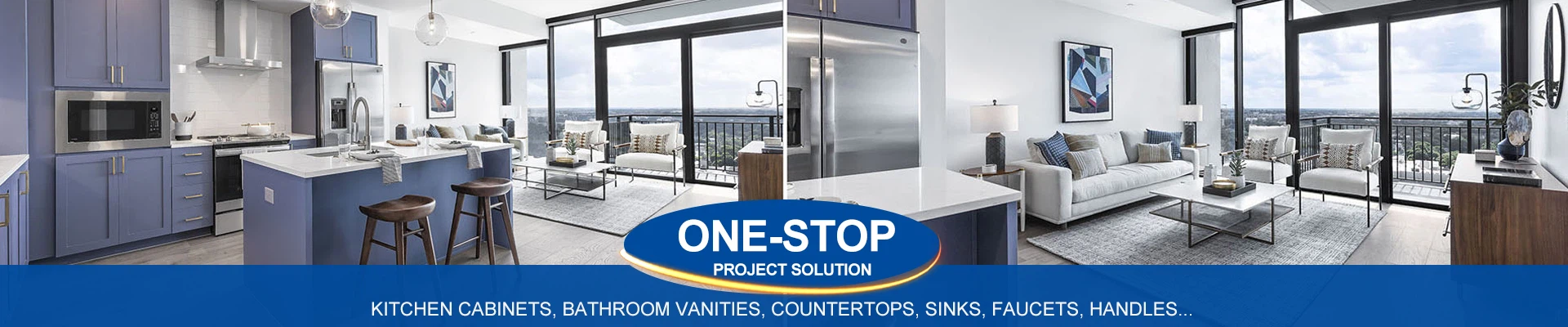
DIY painting kitchen cabinets ideas
Oct 17, 2025
Leave a message
DIY painting kitchen cabinets ideas

DIY painting kitchen cabinets is one of the most impactful and cost-effective home upgrades you can do. It's all about creativity and technique. Here is a comprehensive list of ideas, from color choices to advanced finishes.
1. Color & Finish Ideas
A. Classic & Timeless
Crisp White: Always in style. Makes small kitchens feel larger and brighter. Pair with brass or black hardware.
Warm White or Cream: Softer than pure white, creating a cozy, inviting feel. Perfect for traditional or farmhouse styles.
Shades of Gray: From light greige to charcoal, gray is a sophisticated neutral that works with any countertop.
B. Bold & Dramatic
Navy Blue: A hugely popular choice that feels both classic and modern. Looks stunning with marble countertops and gold hardware.
Forest Green: Brings a rich, organic, and calming vibe to the kitchen. Excellent for creating a jewel-box effect.
Charcoal Black: Ultra-modern and dramatic. Use in a well-lit kitchen to avoid a cave-like feeling. Pair with sleek, simple hardware.
C. Warm & Earthy
Sage Green: A soft, muted green that is very on-trend. Creates a serene, natural atmosphere.
Warm Beige or Greige: The new neutral, replacing cool grays. Feels warm and organic.
Natural Wood Tones (Stained): If you have wood cabinets in good condition, consider restaining them a modern color like light oak or walnut instead of painting.
2. Creative Style & Technique Ideas
A. Two-Tone Cabinets (The #1 Trend)
This involves using two different colors in the same kitchen. It adds visual interest and can define spaces.
Uppers vs. Lowers: Paint upper cabinets a light color (e.g., white) and lower cabinets a darker, contrasting color (e.g., navy, green, black). This grounds the space.
Island Accent: Paint your kitchen island a bold accent color while keeping the perimeter cabinets neutral.
Tonal Two-Tone: Use different shades of the same color family (e.g., light gray uppers, dark gray lowers).
B. "Tuxedo" Kitchen
A classic version of two-tone: Black lower cabinets and white upper cabinets. It's always chic and dramatic.
C. Adding Character with Details
Open Shelving: Replace one or two upper cabinets with open wood shelves. This breaks up the monotony and lets you display dishes.
Glass-Front Doors: Convert a few cabinet doors to glass fronts to show off your favorite dinnerware.
DIY Beadboard Inserts: Add beadboard panels to the center of plain cabinet doors for instant farmhouse charm.
D. Advanced Finishing Techniques
Distressing: For a rustic, farmhouse look. Paint a base coat, then a top coat, and lightly sand edges to reveal the color underneath.
Glazing: Apply a thin, translucent colored glaze over a base coat to settle into the grooves, adding depth and an antique look. Perfect for traditional styles.
3. The Essential DIY Process (In a Nutshell)
No matter the creative idea, the process is what ensures a durable, professional result.
Clean & Degrease: Use a TSP substitute. This is the most skipped, most important step.
Remove & Label: Take off all doors, drawers, and hardware. Label everything!
Repair & Sand: Lightly sand all surfaces to create "tooth" for the primer to grip.
Prime: Use a high-quality, stain-blocking primer like Zinsser BIN.
Paint: Use a dedicated cabinet paint (e.g., Benjamin Moore Advance). Apply 2-3 thin coats with a brush and roller, sanding lightly between coats.
Reassemble & Cure: Wait at least 24 hours before rehanging doors. The paint takes 3-4 weeks to fully harden (cure).
Pro Tips for a Successful DIY Project
Sample Your Colors: Paint large poster boards and tape them to your cabinets. Live with them for a few days to see how the color changes with light.
Upgrade Your Hardware: New knobs and pulls are the "jewelry" of the kitchen and can completely redefine its style.
Consider a Hybrid Approach: If building new doors is too complex, you can paint the cabinet boxes yourself and order new, pre-made doors from a company like Barker Door or CabinetDoor.com.
Lighting Matters: Under-cabinet lighting makes your new paint job look amazing and provides essential task lighting.
Conclusion: Start with a Plan
The best DIY idea is one that fits your skill level and desired outcome.
For a Beginner: A solid color (white or gray) with new hardware is a fantastic, achievable project.
For the Adventurous: A two-tone kitchen or a bold color can create a truly custom look.
Final Pro Tip: The difference between an amateur and a professional-looking job is 90% preparation. Don't rush the cleaning, sanding, and priming steps. Your patience will be rewarded with a beautiful, long-lasting finish.
does painting kitchen cabinets add value

The answer is nuanced but generally very positive:
Yes, painting kitchen cabinets can significantly add value to your home, but it is primarily a perceivedvalue and a powerful tool for marketability, not a direct dollar-for-dollar appraisal increase.
Think of it as one of the highest-return investments you can make in your kitchen's appeal. Here's a detailed breakdown.
The Financial & Marketability Impact
|
Scenario |
Value Impact |
Key Reason |
|---|---|---|
|
For Selling Your Home |
High ROI (Cost vs. Sale Price) |
Drastically improves marketability. A fresh, modern kitchen sells faster and can be the deciding factor for buyers. |
|
For a Home Appraisal |
Modest Direct Increase |
Appraisers focus on square footage, location, and permanent fixtures. A cosmetic update like paint has less weight than a full renovation. |
|
For Your Own Enjoyment (Not Selling) |
High Perceived Value |
You get a "new" kitchen for a fraction of the cost of a full remodel, which feels incredibly valuable. |
When Painting Cabinets DEFINITELY Adds Value
Painting adds the most value when it solves a specific problem for a potential buyer.
Outdated but Functional Cabinets: This is the #1 scenario. If you have structurally sound cabinets from the 80s or 90s (like honey oak or dark laminate), painting them a modern color (white, gray, navy) makes the entire kitchen feel current and move-in ready.
Poor Condition but Salvageable: Cabinets that are dingy, scratched, or have minor damage can be transformed into a selling point with a professional-quality paint job.
Lightening a Dark Space: Painting dark wood cabinets a light color can make a small or poorly lit kitchen feel larger, brighter, and more inviting-a huge selling point.
In these cases, you are effectively "staging" your kitchen to appeal to the broadest possible audience.
When Painting Cabinets Might NOT Add Value (or Could Hurt It)
There are situations where painting is not the best financial decision.
A Poor-Quality DIY Job: This is the biggest risk. A sloppy paint job with drips, uneven coverage, or peeling paint will deter buyers and can decrease your home's value. It signals that the home hasn't been well-maintained.
Painting High-End, Quality Wood: If you have beautiful, high-value wood cabinets (e.g., custom cherry or walnut), painting over them can be seen as destroying the character and quality, potentially alienating buyers who appreciate natural wood.
Covering Up Major Flaws: Painting cannot fix cabinets that are structurally failing, water-damaged, or have a poor layout. In these cases, replacement is a better investment.
Estimating the Return on Investment (ROI)
It's difficult to pin down an exact number, but here's a realistic range:
Cost of Professional Painting: 3,000−7,000
Cost of DIY Painting: 300−800 (materials only)
Potential Value Added: While it won't directly add the full cost to your appraisal, it can be the key factor in selling your home for top dollar in a competitive market. The ROI is primarily in the speed of sale and avoiding price reductions.
For comparison:
Minor Kitchen Remodel (including new cabinets): ROI is about 71% (according to Remodeling Magazine's Cost vs. Value Report).
Painting Cabinets: The ROI can be much higher because the initial investment is so much lower.
How to Maximize Value When Painting Cabinets
If you decide to paint, follow these rules to ensure it adds value:
Choose a Neutral, Timeless Color: White, off-white, light gray, or navy blue have the broadest appeal. Avoid trendy or highly personal colors.
Prioritize Quality: Whether you DIY or hire a pro, the finish must be smooth, durable, and flawless. This means proper prep (cleaning, sanding, priming) and using high-quality, cabinet-grade paint.
Update Hardware: New, modern hardware (knobs and pulls) is the "jewelry" of the kitchen and completes the transformation for a relatively small cost.
Be Honest About Your Skills: If you are not a meticulous, patient DIYer, hiring a professional is a worthwhile investment to protect your home's value.
Conclusion
Painting kitchen cabinets is one of the most cost-effective ways to increase your home's appeal and perceived value, especially if you are preparing to sell.
It transforms the single most important room in the house from dated to desirable. The key is to ensure the job is done to a high standard. A professional-looking paint job attracts buyers and can help your home sell faster and for a better price, while a poor DIY job can have the opposite effect.
Final Verdict: For most homeowners with outdated but structurally sound cabinets, painting them is an excellent investment that adds significant value.
does painting kitchen cabinets look good

The answer is a resounding yes, painting kitchen cabinets can look absolutely fantastic, but with one crucial caveat: the final result is 90% dependent on the quality of the preparation and execution.
When done correctly, it can look like a high-end, custom kitchen. When done poorly, it can look amateurish and cheap.
Here's a detailed breakdown of when it looks good and how to ensure your project is a success.
When Painting Cabinets Looks GOOD (The "After" Photos We Love)
Painting transforms your kitchen when it achieves the following:
Modernizes an Outdated Kitchen: This is the most common and impactful reason. Painting over dark, orange-toned 90s oak or a dated laminate with a fresh, modern color (like white, gray, or navy) creates a dramatic, night-and-day difference that looks incredible.
Creates a Cohesive, Intentional Look: Painting allows you to unify your kitchen's color palette, making it look designed and thoughtful rather than a collection of mismatched elements. It lets you match your cabinets to your countertops, backsplash, and hardware.
Highlights Architectural Details: On styles like Shaker cabinets, a fresh coat of paint can accentuate the clean lines and panel details, making them stand out beautifully.
Makes a Small Kitchen Feel Larger and Brighter: Light-colored cabinets, especially white and cream, reflect light and make a small, dark kitchen feel more open and airy.
When Painting Cabinets Can Look BAD (What Can Go Wrong)
The "bad" reputation comes from common mistakes that are easily avoidable with proper technique.
Poor Preparation: This is the #1 culprit. If cabinets aren't thoroughly cleaned and degreased, the paint will not adhere properly and can peel. If surfaces aren't lightly sanded, the finish will be rough.
Visible Brush Strokes and Drips: Using the wrong type of paint (e.g., wall paint) or applying it too thickly with cheap brushes results in a streaky, textured finish that looks obviously DIY.
Peeling and Chipping: Using the wrong primer or paint, or skipping the priming step altogether, leads to a finish that chips easily around handles and peels at the edges, looking worn and cheap quickly.
Wrong Color or Sheen Choice: A high-gloss sheen can highlight every imperfection on the cabinet surface. A flat/matte sheen is difficult to clean. Very trendy colors can date the kitchen quickly.
How to Ensure Your Painted Cabinets Look AMAZING
Follow these rules for a professional, long-lasting finish that looks great:
The Golden Rule: Preparation is Everything.
Clean: Use a degreaser (TSP substitute) to remove all kitchen grime.
Sand: Lightly sand every surface to create "tooth" for the primer to grip.
Prime: Use a high-adhesion, stain-blocking primer like Zinsser BIN.
Invest in the Right Paint.
Do NOT use wall paint. You need a durable, self-leveling paint formulated for cabinets and trim.
Top Choices: Benjamin Moore Advance, Sherwin-Williams Emerald Urethane Trim Enamel.
Best Sheens: Satin or Semi-Gloss (durable and easy to clean).
Use the Right Technique.
Apply Thin Coats: Two or three thin coats are far better than one thick, drippy coat.
Use Quality Tools: A combination of a high-quality brush for edges and a high-density foam roller for flat panels gives the smoothest finish.
Sand Between Coats: Lightly sand with fine-grit sandpaper (220-grit) between coats for a glass-smooth feel.
Choose a Timeless Color.
You can't go wrong with classic white, soft gray, navy blue, or sage green. They have broad appeal and won't look dated in a few years.
Conclusion: So, Does It Look Good?
Yes, painting kitchen cabinets can look stunning and is one of the most cost-effective ways to achieve a high-end kitchen makeover.
The difference between a result that looks "good" and one that looks "bad" boils down to one thing: the effort you put into the process.
The bottom line: If you are a patient, meticulous DIYer willing to follow the necessary steps, or if you hire a professional who specializes in cabinet painting, the results will look fantastic and can completely transform your kitchen. If you try to cut corners and rush the job, the results will be disappointing.
how many coats of primer when painting kitchen cabinets

Getting the primer right is the single most important step for a durable, professional-looking paint job on kitchen cabinets.
The short answer is:
For 95% of kitchen cabinet projects, one coat of a high-quality primer is sufficient.
However, the key is not the number of coats, but achieving complete, opaque coverage and a perfectly smooth base for the topcoat.
Here's a detailed breakdown of when to use one coat, when you might need two, and exactly how to apply it.
When One Coat of Primer is Enough
One coat is perfectly adequate if you meet these conditions:
You are using a high-hide, stain-blocking primer like Zinsser BIN (shellac-based) or Zinsser 1-2-3 (water-based).
You are priming over a light-colored existing finish (e.g., white or light wood).
The cabinets are in good condition with no stains or dark colors bleeding through.
The Goal of One Coat: To create a uniform, sealed surface that the paint can grip onto. You should not be able to see the old cabinet color or wood grain through the primer.
When You Might Need a Second Coat of Primer
Consider a second coat in these specific situations:
Stain Blocking: If you are covering knots in wood, water stains, or tannin bleed (common with oak or cherry), a second coat ensures these stains won't ghost through your final paint color.
Drastic Color Change: If you are going from very dark cabinets (e.g., espresso brown) to very light (e.g., white), a second coat guarantees the dark color won't dull the brightness of your topcoat.
Poor Surface Condition: If the first coat reveals an uneven or blotchy surface, a second coat will create a perfectly uniform canvas.
The Real Secret: It's About Coverage, Not Coats
Instead of focusing on a number, focus on this principle: Apply primer until you achieve a solid, uniform, opaque white layer.
If one thin, even coat does that, you're done. If you can still see the old color or stains, apply a second coat.
How to Apply Primer for a Flawless Finish
The application technique is just as important as the number of coats.
Shake/Stir Well: Prime (especially BIN) needs to be mixed thoroughly.
Use the Right Tools:
Brush: A high-quality synthetic brush (like Purdy) for cutting in on edges and details.
Roller: A high-density foam roller for large, flat surfaces to avoid brush marks.
Apply a Thin, Even Coat: Avoid drips and globs. The goal is smooth coverage, not a thick layer.
Let it Dry Completely: Follow the manufacturer's instructions. Shellac-based primer (BIN) dries very quickly (30 mins), while water-based takes longer.
Sand After Priming (Non-Negotiable!): Once the primer is dry, lightly sand every surface with 220-grit sandpaper until it's glassy smooth. This is the secret to a professional finish.
Wipe Down: Use a tack cloth to remove all sanding dust.
Primer Type Recommendations
|
Primer Type |
Best For |
Drying Time |
Notes |
|---|---|---|---|
|
Zinsser BIN (Shellac) |
Best overall. Superior stain blocking (tannins, grease, smoke). |
Very Fast (30 min) |
Strong odor; requires ventilation. Sands beautifully. |
|
Zinsser 1-2-3 (Water-Based) |
Good alternative with low odor. Great adhesion. |
Slower (1 hr+) |
Less effective on severe stains than BIN. |
Conclusion and Final Recommendation
For most projects, apply one thin, even coat of a high-quality primer like Zinsser BIN. Sand it smooth, and check for coverage. If the old color or any stains are visible, apply a second coat.
The Pro's Mantra: "One coat is the goal, but perfect coverage is the rule." The time you invest in perfect priming will be rewarded with a flawless, durable paint job that lasts for years.