

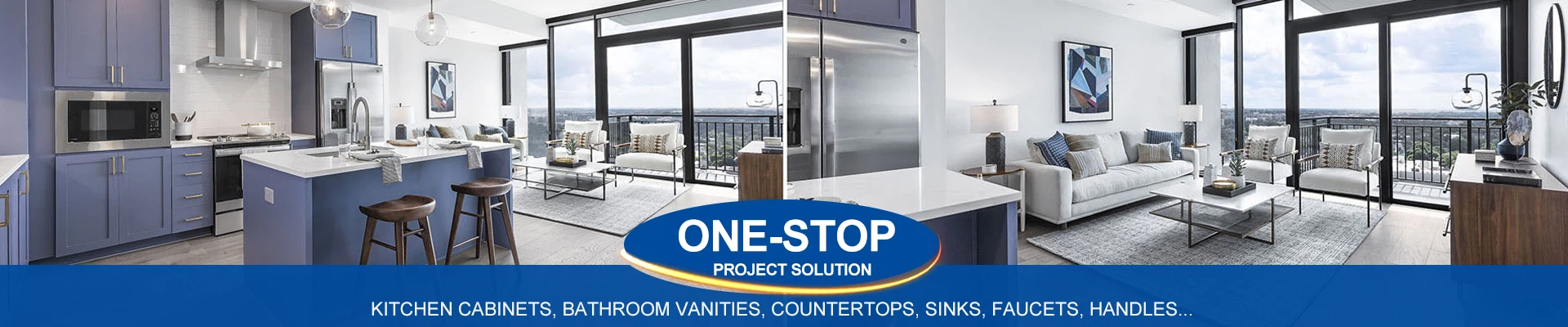
drawers vs cabinets in kitchen
May 19, 2025
Leave a message
Drawers vs. Cabinets in the Kitchen: Which is Better?
Choosing between drawers and cabinets depends on your storage needs, accessibility preferences, and kitchen workflow. Here's a detailed comparison to help you optimize your kitchen layout:
1. Accessibility & Ergonomics
| Drawers | Cabinets |
|---|---|
| ✅ Full extension slides let you see/reach items easily. | ❌ Items at the back require bending/stretching. |
| ✅ Better for lower cabinets (no crouching). | ✅ Better for upper cabinets (no heavy lifting). |
| ✅ Ideal for heavy pots/pans or small tools. | ✅ Better for lightweight dishes or bulk items. |
Best Use:
Drawers: Base cabinets (pots, utensils, appliances).
Cabinets: Upper storage (glasses, plates, pantry items).
2. Storage Efficiency
| Drawers | Cabinets |
|---|---|
| ✅ Adjustable dividers for organization (knives, spices). | ✅ Adjustable shelves for flexible stacking. |
| ❌ Limited height (harder to store tall items). | ✅ Vertical space for cereal boxes, baking sheets. |
| ✅ Deep drawers (24"+) hold bulk cookware. | ❌ Wasted space behind fixed shelves. |
Pro Tip: Use pull-out trays or lazy Susans in cabinets to mimic drawer functionality.
3. Cost & Installation
| Drawers | Cabinets |
|---|---|
| ❌ More expensive (heavy-duty slides, custom sizes). | ✅ Cheaper (standard shelves + doors). |
| ✅ DIY-friendly with pre-built systems (e.g., IKEA MAXIMERA). | ❌ Custom cabinets require professional install. |
Price Range:
Drawers: 150–150–150–600+ per drawer (depending on size/material).
Cabinets: 100–100–100–400 per linear foot (stock to semi-custom).
4. Style & Aesthetics
Drawers:
Modern, sleek look (handleless or slim profiles).
Popular in contemporary kitchens.
Cabinets:
Traditional or transitional appeal (Shaker, raised panel).
Hide clutter for a cleaner look.
Design Trend: Mix drawers (lower) and cabinets (upper) for balance.
5. Maintenance & Durability
| Drawers | Cabinets |
|---|---|
| ✅ Easy to clean (wipeable surfaces). | ❌ Shelves collect crumbs/dust. |
| ❌ Slides can wear out (invest in Blum or Häfele hardware). | ✅ Hinges are low-maintenance. |
| ✅ Weight capacity: 75–100 lbs (with quality slides). | ❌ Overloaded shelves can sag. |
When to Choose Drawers
Heavy Items: Pots, pans, stand mixers.
Frequently Used Tools: Utensils, cutlery, spices.
Accessibility Needs: Mobility issues or aging in place.
Modern Design: Handleless drawers for a minimalist look.
When to Choose Cabinets
Lightweight Items: Plates, glasses, dry goods.
Tall/Bulky Items: Baking sheets, small appliances.
Budget-Friendly: Stock cabinets cost less than custom drawers.
Traditional Style: Classic panel doors for farmhouse/transitional kitchens.
Hybrid Solutions
Drawer Banks: Stack shallow drawers for utensils + deep drawers for pots.
Cabinet Pull-Outs: Add sliding trays to existing cabinets.
Mix & Match:
Base Cabinets: Deep drawers for cookware.
Upper Cabinets: Shelves for dishes + glass-front uppers for display.
Final Recommendations
Prioritize Drawers For:
Base cabinets (especially near the stove/sink).
Pantry storage (pull-out shelves for cans, spices).
Prioritize Cabinets For:
Upper storage (keep dishes dust-free).
Budget-friendly or traditional designs.
Pro Tip: Use soft-close mechanisms for both drawers and cabinets to prevent slamming! 🛠️🏡
Example Setup:
Base Cabinets: 2 deep drawers (pots/pans) + 1 shallow drawer (utensils).
Upper Cabinets: Adjustable shelves (plates, glasses) + 1 pull-out tray (spices).