

horizontal vs vertical kitchen cabinets
May 19, 2025
Leave a message
Horizontal vs Vertical Kitchen Cabinets: Which Cabinet Style Is Better for Modern Kitchens?
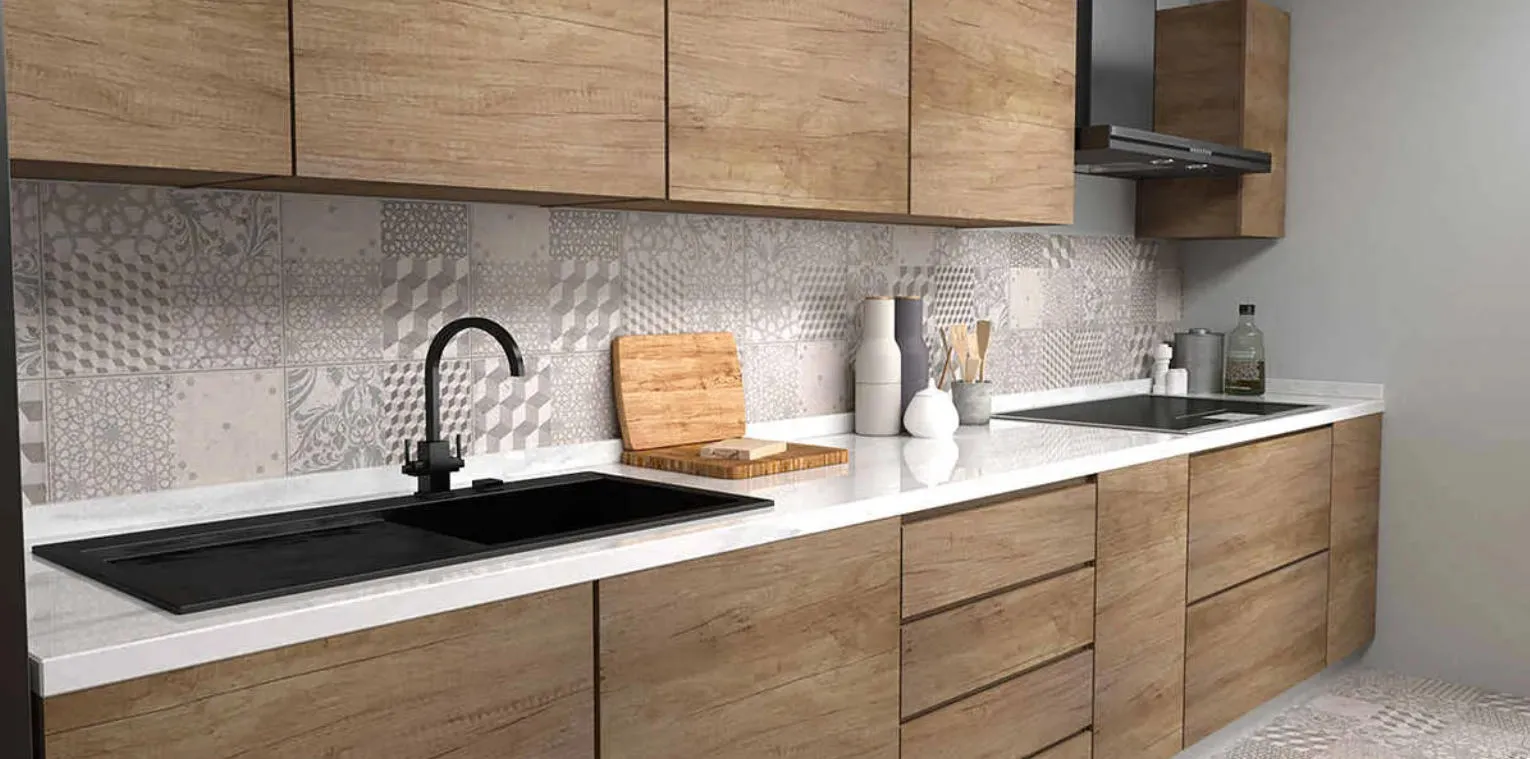
Kitchen cabinet orientation plays a major role in the overall appearance, functionality, and visual balance of a kitchen. Whether you are designing a modern apartment kitchen, a luxury villa, or a commercial residential project, choosing between horizontal and vertical kitchen cabinets can significantly impact storage efficiency, workflow, and interior aesthetics.
Today's kitchen trends increasingly combine both horizontal and vertical cabinet designs to create clean, functional, and visually balanced spaces. Understanding the differences between these cabinet styles helps homeowners, contractors, developers, and cabinet dealers choose the right solution for their projects.
What Are Horizontal Kitchen Cabinets?
Horizontal kitchen cabinets are cabinet layouts or cabinet surface designs that emphasize width rather than height. They are commonly used in modern and minimalist kitchen designs.
Typical examples include:
- Wide drawer cabinets
- Horizontal wood grain cabinets
- Long wall cabinets
- Slab cabinet doors
- Handleless cabinets
- Flat panel kitchen cabinets
Horizontal cabinet designs visually expand the kitchen, making spaces appear wider and more open. This style is especially popular in:
- Modern apartments
- Open-concept kitchens
- Contemporary homes
- Luxury residential projects
- Scandinavian kitchen designs
Horizontal cabinets are commonly paired with:
- Matte finishes
- High gloss lacquer surfaces
- Wood veneer panels
- Minimalist aluminum handles
- Integrated LED lighting
In modern kitchen projects, horizontal cabinet layouts often create a cleaner and more streamlined appearance.
What Are Vertical Kitchen Cabinets?
Vertical kitchen cabinets focus on height and vertical proportions. They are widely used in traditional, transitional, and farmhouse kitchen styles.
Common examples include:
- Tall pantry cabinets
- Shaker kitchen cabinets
- Floor-to-ceiling cabinets
- Vertical wood grain doors
- Traditional framed cabinets
Vertical cabinets naturally draw the eye upward, helping kitchens feel taller and more structured.
This cabinet orientation is frequently used in:
- Traditional kitchens
- Luxury villas
- Large residential homes
- Farmhouse kitchens
- Classic interior designs
Vertical cabinet systems also maximize vertical storage space, making them ideal for kitchens requiring larger storage capacity.
Horizontal vs Vertical Kitchen Cabinets: Key Differences
| Feature | Horizontal Cabinets | Vertical Cabinets |
|---|---|---|
| Design Style | Modern & minimalist | Traditional & classic |
| Visual Effect | Makes kitchens appear wider | Makes ceilings appear taller |
| Best For | Apartments & modern homes | Villas & traditional homes |
| Storage Style | Wide drawers & base cabinets | Tall pantry & wall cabinets |
| Popular Materials | Lacquer, veneer, slab panels | Shaker, solid wood, MDF |
| Typical Markets | USA, Australia | Europe, North America |
| Common Cabinet Type | Flat panel cabinets | Shaker cabinets |
Both cabinet orientations offer advantages depending on project requirements and kitchen design goals.
Which Cabinet Style Makes a Small Kitchen Look Bigger?
For small kitchens, horizontal cabinet layouts are often the preferred choice.
Horizontal design lines visually stretch the room, creating the illusion of a wider kitchen. This is particularly effective in:
- Apartment kitchens
- Studio apartments
- Galley kitchens
- Compact urban homes
Modern flat panel cabinets with horizontal grain finishes can make small kitchens appear cleaner and less crowded.
However, vertical cabinets can still work well in compact kitchens with high ceilings because they maximize upper storage capacity.
For many modern residential projects, designers combine:
- Horizontal base cabinets
- Vertical pantry cabinets
to balance storage and visual openness.
Horizontal vs Vertical Wood Grain Cabinets
Wood grain direction has become one of the most important design elements in contemporary cabinetry.
Horizontal Wood Grain Cabinets
Horizontal wood grain patterns create a sleek and modern appearance. They are commonly used with:
- Walnut veneer
- Oak veneer
- Matte laminate finishes
- Contemporary slab cabinets
Horizontal grain emphasizes width and simplicity, making it highly popular in luxury modern kitchens.
Advantages include:
- Cleaner visual flow
- Modern architectural appearance
- Better integration with minimalist interiors
Vertical Wood Grain Cabinets
Vertical wood grain designs create a more timeless and traditional feel.
They are often paired with:
- Shaker cabinets
- Raised panel doors
- Traditional wood cabinetry
Vertical grain emphasizes height and structure, creating a classic kitchen atmosphere.
Horizontal vs Vertical Cabinet Handles
Cabinet handle direction also influences kitchen aesthetics and usability.
Horizontal Handles
Horizontal handles are commonly installed on:
- Drawer fronts
- Wide cabinet doors
- Modern slab cabinets
They create a sleek contemporary appearance and improve drawer accessibility.
Vertical Handles
Vertical handles are typically used on:
- Tall pantry cabinets
- Upper cabinets
- Traditional cabinet doors
Vertical placement creates a more formal and structured design language.
In modern kitchen projects, many designers combine both orientations for better functionality and visual balance.
Best Cabinet Orientation for Different Kitchen Styles
Modern Kitchens
Modern kitchens usually favor horizontal cabinet layouts because they emphasize clean lines and minimalist design.
Recommended cabinet styles:
- Flat panel cabinets
- Handleless cabinets
- High gloss lacquer cabinets
Farmhouse Kitchens
Farmhouse kitchens often rely on vertical cabinet proportions.
Recommended cabinet styles:
- White shaker cabinets
- Framed cabinets
- Wood grain cabinets
Scandinavian Kitchens
Scandinavian kitchens frequently combine both horizontal and vertical orientations.
This creates:
- Functional storage
- Balanced aesthetics
- Natural visual flow
Luxury Kitchens
Luxury kitchen projects often use hybrid cabinet systems that combine:
- Horizontal base cabinets
- Vertical tall cabinets
- Integrated appliance towers
This approach creates a high-end custom appearance.
Hybrid Kitchen Cabinet Design: Combining Horizontal and Vertical Cabinets
Many contemporary kitchen projects no longer choose only one orientation.
Instead, designers combine both horizontal and vertical cabinet systems to achieve:
- Better storage organization
- Improved workflow
- More dynamic visual design
- Enhanced architectural balance
- A common modern layout includes:
- Horizontal lower cabinets
- Vertical pantry cabinets
- Horizontal wood grain island panels
- Tall appliance cabinets
This hybrid approach is widely used in:
- Luxury apartments
- Multi-family housing projects
- Residential developments
- Modern villas
Best Cabinet Layout for Apartment & Commercial Projects
For developers, contractors, and cabinet dealers, cabinet orientation should also consider project efficiency and installation practicality.
Apartment Projects
Modern apartment kitchens often use:
- Horizontal slab cabinets
- Flat pack cabinet systems
- Compact storage layouts
because they provide:
- Faster installation
- Lower shipping costs
- Cleaner modern appearance
Hotel Projects
Hotel kitchenettes frequently combine:
- Vertical storage cabinets
- Horizontal countertops
Integrated appliance cabinetry to maximize limited space.
Residential Developments
Large residential projects often standardize cabinet orientation for:
Production efficiency
Consistent design language
Simplified installation
Horizontal modern cabinets are increasingly preferred in contemporary multifamily developments.
How to Choose the Right Cabinet Orientation
Several factors should influence cabinet orientation decisions.
Kitchen Size
Small kitchens → horizontal layouts often work better
Tall kitchens → vertical cabinets maximize height
Ceiling Height
High ceilings support:
- Tall pantry cabinets
- Vertical storage systems
Lower ceilings benefit from:
- Horizontal design lines
- Open shelving
Interior Style
Modern kitchens → horizontal emphasis
Traditional kitchens → vertical emphasis
Storage Requirements
Families requiring more pantry storage may prefer vertical cabinet systems.
Minimalist kitchens often prioritize horizontal drawer storage.
Material Selection
Different materials work better with different orientations:
| Material | Recommended Orientation |
|---|---|
| Wood veneer | Horizontal |
| Shaker MDF | Vertical |
| Lacquer | Horizontal |
| Solid wood | Vertical |
Why Modern Projects Prefer Horizontal Cabinet Designs
Horizontal kitchen cabinet designs continue to grow in popularity worldwide because they align with modern architectural trends.
Benefits include:
- Minimalist appearance
- Better visual openness
- Contemporary aesthetics
- Compatibility with open-plan living
This trend is especially strong in:
- North America
- Australia
- Urban apartment developments
- Contemporary residential projects
Many developers now prefer horizontal slab cabinet systems because they provide:
- Scalable production
- Easier maintenance
- Modern buyer appeal
- Efficient installation
Conclusion
Both horizontal and vertical kitchen cabinets offer unique advantages depending on the kitchen style, project type, and storage requirements.
In modern kitchen design, the most successful projects often combine both orientations to create balanced, functional, and visually appealing spaces.
Horizontal cabinets are ideal for:
- Modern kitchens
- Apartments
- Contemporary interiors
- Minimalist designs
Vertical cabinets are better suited for:
- Traditional kitchens
- Large homes
- Tall storage systems
- Classic cabinet styles
For developers, contractors, wholesalers, and cabinet dealers, understanding cabinet orientation trends can help improve both project functionality and market appeal.
Looking for Custom Kitchen Cabinet Solutions?
Mino Cabinet provides custom kitchen cabinet solutions for:
- Residential projects
- Apartment developments
- Contractors
- Cabinet dealers
- Wholesalers
- Commercial projects
Product options include:
Contact the team to get customized cabinet solutions for your next project.