

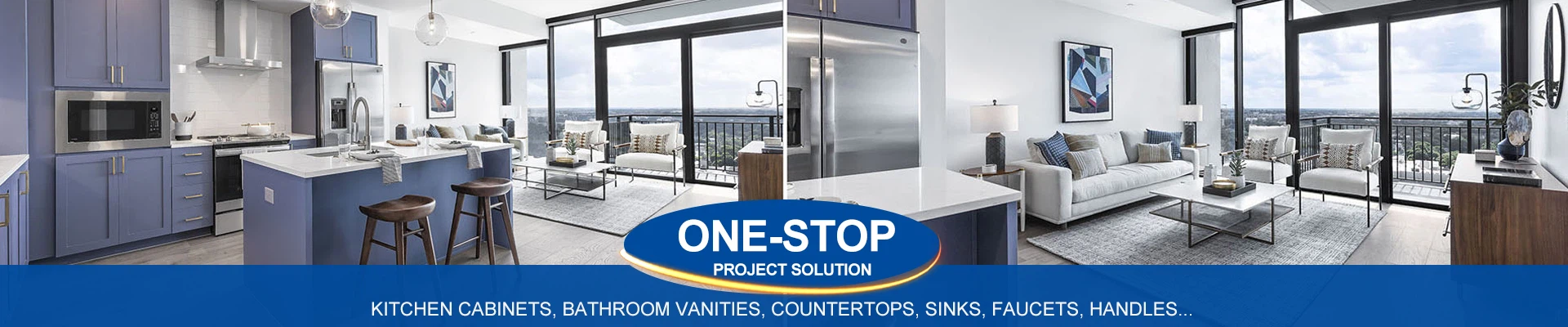
how to build a small kitchen cabinet
Jun 30, 2025
Leave a message
To build a durable and space-efficient small kitchen cabinet, follow this comprehensive guide based on verified DIY methods and industry standards. Designed for compact kitchens, this project optimizes storage while prioritizing structural integrity and moisture resistance.
📐 1. Planning & Design
Key Dimensions for Small Spaces
Width: 12–24 inches (narrow profiles save space).
Height:
Base cabinet: 34.5" (standard) for compatibility with countertops.
Wall cabinet: 12–15" deep, installed 18" above countertops.
Depth: 12–24" (adjust based on available space; 12" for shallow storage).
Clearances: Maintain ≥36" walkways around cabinets .
Layout Optimization
Prioritize the "kitchen triangle" (sink, stove, refrigerator) for workflow efficiency .
Use open shelving or glass-front doors to visually expand space .
🧰 2. Materials & Tools
Recommended Materials
| Component | Ideal Choices | Avoid |
|---|---|---|
| Carcass | ¾" moisture-resistant plywood or birch MDF | Particleboard (swells when wet) |
| Face Frame | Hardwood (oak, maple) | Softwoods (e.g., pine) |
| Doors | MDF with laminate finish | Solid wood (prone to warping) |
| Back Panel | ¼" plywood with ventilation holes | Non-ventilated panels |
Tools Required
Circular saw, drill, pocket hole jig, clamps, level, sander (120-grit).
Cost: 70–150 (materials only).
🔨 3. Step-by-Step Construction
A. Cut & Prep Components
Carcass Panels (¾" plywood):
Sides: 2 pieces @ height × depth (e.g., 34.5" H × 12" D).
Bottom shelf: 1 piece @ (width - 1.5") × (depth - 0.5") .
Face Frame: Cut 1x2 hardwood to frame dimensions (e.g., 12" W cabinet: 9" stiles + 12" rails) .
B. Assemble the Cabinet
Join Panels:
Attach sides to the bottom shelf using 2.5" screws + wood glue. Reinforce with pocket holes .
Back Panel:
Secure ¼" plywood with brad nails. Cut 2"×4" ventilation holes to prevent humidity .
Face Frame:
Align with carcass edges, clamp, and screw into place .
C. Add Functional Features
Shelving:
Install adjustable shelves using metal pins (for flexibility) .
Doors/Drawers:
Use concealed hinges for doors; soft-close slides for drawers .
Toe Kick:
Build a 4" frame with 2x4s, set 3" inside cabinet edges .
D. Finishing & Protection
Seal Edges:
Apply silicone caulk to cut edges before assembly .
Sanding & Painting:
Sand surfaces (120-grit), prime, then apply 2 coats of moisture-resistant paint .
⚠️ 4. Pro Tips for Small Spaces
Space-Saving Designs:
Use pull-out trays or tiered shelves in deep cabinets .
Replace doors with curtains or open shelves to save costs/space .
Moisture Control:
Seal all wood with polyurethane; avoid MDF in sink areas .
Weight Support:
Add L-brackets to corners for heavy items .
💡 5. Design Variations for Small Kitchens
| Type | Features | Best Use |
|---|---|---|
| Corner Cabinet | Bi-fold doors, pull-out organizers | Utilize dead space |
| Slim Wall Cabinet | 12" depth, glass doors | Spice/utensil storage |
| Toe-Kick Drawer | Hidden 4" drawers | Baking sheets/trays |
💰 6. Budget-Saving Hacks
Repurpose Materials: Use salvaged plywood or prefab cabinets (100–300) .
Laminate Finishes: 60% cheaper than solid wood; easy to clean .
Skip Internal Shelves: Save 20% on material costs in non-critical areas .
⏱️ Timeline: 6–8 hours (excluding paint drying).
Cost: 70 (basic) – 200 (premium finishes/hardware).
By focusing on compact dimensions, moisture-resistant materials, and modular storage, your small kitchen cabinet will maximize functionality without compromising durability. Test door alignment and shelf stability before final installation 🛠️. For plumbing/electrical integrations, consult professionals .