

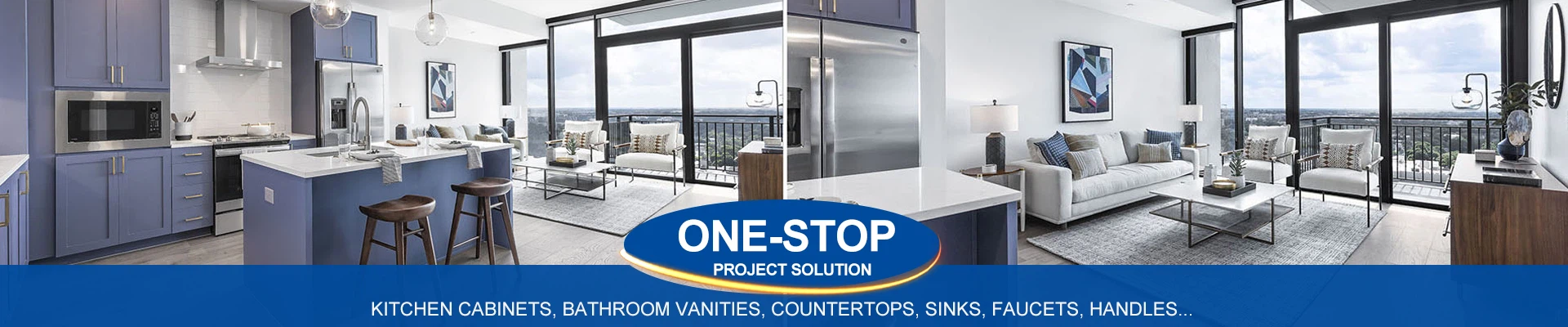
how to choose paint for kitchen cabinets
May 17, 2025
Leave a message
How to Choose Paint for Kitchen Cabinets: A Step-by-Step Guide
Selecting the right paint for kitchen cabinets ensures durability, ease of cleaning, and a professional finish. Here's how to choose the best paint for your project:
1. Choose the Right Paint Type
| Type | Pros | Cons | Best For |
|---|---|---|---|
| Acrylic Latex | Low odor, fast drying, easy cleanup | Less durable than oil-based | Budget-friendly updates |
| Oil-Based Enamel | Ultra-durable, smooth finish | Strong fumes, longer drying time | High-traffic kitchens |
| Hybrid (Water-Based Enamel) | Low VOC, durable, quick dry | Slightly less hard than oil-based | Eco-friendly, modern kitchens |
| Chalk Paint | No sanding/primer needed, matte finish | Requires wax/sealant for durability | Vintage or farmhouse styles |
Top Brands:
Benjamin Moore Advance (water-based enamel).
Sherwin-Williams Emerald Urethane Trim Enamel (hybrid).
Farrow & Ball Modern Eggshell (luxury finish).
2. Select the Finish
| Finish | Appearance | Durability | Cleaning Ease |
|---|---|---|---|
| Semi-Gloss | Shiny, reflective | High | Excellent |
| Satin | Soft sheen | Moderate | Good |
| Matte | Non-reflective | Low | Poor (shows marks) |
Best for Cabinets: Semi-gloss or satin (balance of durability and easy cleaning).
3. Consider Color
Light Colors (White, Cream, Light Gray): Brighten small kitchens, hide dust but show stains.
Dark Colors (Navy, Charcoal, Black): Dramatic, hide smudges but highlight dust.
Neutral Tones (Greige, Soft Green, Warm Beige): Timeless, versatile.
Bold Accents (Emerald, Mustard, Terracotta): Use on islands or lower cabinets for contrast.
Pro Tips:
Test samples in your kitchen's lighting.
Pair with undertones in countertops/backsplash (e.g., warm whites with wood tones).
4. Prep & Prime
Prep Steps:
Clean: Use TSP substitute or Krud Kutter to remove grease.
Sand: Lightly sand surfaces (120–220 grit) for adhesion.
Repair: Fill dents/cracks with wood filler.
Primer:
Oil-Based Primer: Best for covering stains or tannins (e.g., Zinsser B-I-N).
Water-Based Primer: Eco-friendly, quick drying (e.g., Kilz 2).
5. Application Tips
Tools:
Brush: Angled sash brush for edges.
Roller: High-density foam roller for smooth surfaces.
Sprayer: Professional finish (rent a HVLP sprayer).
Thin Coats: Apply 2–3 thin coats instead of thick layers to avoid drips.
Dry Time: Let each coat dry 4–6 hours (follow manufacturer's instructions).
Cure Time: Wait 7–14 days before heavy use (paint hardens fully).
Cost Comparison
| Paint Type | Cost (Per Gallon) | Coverage (Sq Ft) |
|---|---|---|
| Acrylic Latex | 30–30–30–50 | 300–400 |
| Hybrid Enamel | 50–50–50–80 | 300–400 |
| Oil-Based Enamel | 40–40–40–70 | 300–400 |
| Chalk Paint | 40–40–40–60 | 150–200 |
Pro Tips
Label Doors/Drawers: Use painter's tape to track placement.
Upgrade Hardware: Fresh knobs/pulls enhance the new finish.
Maintenance: Clean with mild soap + water; avoid abrasive scrubbers.
Common Mistakes to Avoid
Skipping sanding or primer.
Rushing dry/cure times (causes chipping).
Using wall paint (not durable enough for cabinets).
Final Recommendation:
For most kitchens, Benjamin Moore Advance (satin or semi-gloss) offers the best balance of durability and ease of use. Pair with a high-quality brush or sprayer for a smooth, factory-like finish. 🎨✨
Example Project:
Before: Honey oak cabinets → After: Benjamin Moore "Simply White" in semi-gloss + matte black hardware.