


how to clean honed granite countertops
Aug 28, 2025
Leave a message
how to clean honed granite countertops

To clean honed granite countertops effectively while preserving their matte finish and preventing damage, follow this comprehensive guide based on professional recommendations:
1. Daily Cleaning Routine
Supplies: Use a pH-neutral dish soap or granite-specific cleaner mixed with warm water. Avoid vinegar, bleach, ammonia, or abrasive cleaners, which can etch the surface or strip the sealer.
Technique:
Wipe with a soft microfiber cloth in gentle circular motions.
Rinse thoroughly with clean water to remove soap residue.
Dry immediately to prevent water spots and mineral deposits.
Products: Opt for plant-based, non-toxic cleaners like Method Daily Granite Cleaner or Clarks Natural Stone Spray for eco-friendly maintenance.
2. Stain Removal & Deep Cleaning
Oil/Grease Stains: Apply a paste of baking soda and water; cover with plastic wrap and leave overnight. Gently scrub with a soft brush and rinse.
Water-Based Stains: Use a paste of baking soda and hydrogen peroxide; follow the same process.
Disinfection: Spray a solution of 70% isopropyl alcohol and water (1:3 ratio), let sit for 3–5 minutes, then wipe clean. Avoid bleach-based disinfectants.
Stubborn Residue: Gently scrape with a plastic or silicone scraper-never metal tools.
3. Sealing & Protection
Importance: Honed granite is more porous than polished, making annual sealing critical to prevent stains.
Sealer Choice: Use a penetrating, water-based sealer like StoneCare International Granite Sealer or Rock Doctor Granite & Stone Sealer. Avoid solvent-based sealers to prevent yellowing.
Application:
Clean and dry the surface thoroughly.
Apply sealer evenly with a microfiber cloth.
Let penetrate for 15–20 minutes, then wipe off excess.
Allow 24–48 hours to cure before use.
Testing: Sprinkle water on the surface-if it beads, the seal is intact; if absorbed, reseal immediately.
4. Critical Don'ts & Maintenance Tips
Avoid:
Acidic cleaners (vinegar, citrus-based products).
Abrasive pads or scrubbing brushes.
Sitting on countertops to prevent cracks.
Prevention:
Use trivets under hot pans and coasters under glasses.
Clean spills immediately, especially wine, coffee, or oils.
Place cutting boards under knives to avoid scratches.
Polishing: Unlike polished granite, honed finishes rarely need buffing. If dullness occurs, use a granite-safe polish sparingly (e.g., HOPES Polish).
5. Recommended Products
| Product Type | Top Picks | Key Features |
|---|---|---|
| Daily Cleaner | Clarks Natural Stone Spray | All-natural, citrus oil extracts, streak-free. |
| Disinfectant | Weiman Disinfecting Granite Spray | Kills 99.9% bacteria, safe for sealed stone. |
| Sealer | Rock Doctor Granite Sealer | Water-based, 100 sq. ft. coverage, eco-friendly. |
| Stain Remover | Baking Soda Paste | Budget-friendly, non-abrasive. |
Key Takeaway
Honed granite's matte elegance requires gentle, consistent care. Prioritize pH-neutral cleaners, immediate spill cleanup, and annual sealing to maintain its beauty and longevity. For deep stains or restoration, consult professionals to avoid irreversible damage
what is honed granite countertops
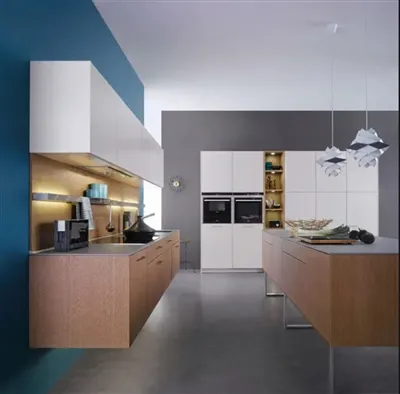
Here's a detailed explanation of honed granite countertops, including their characteristics, benefits, maintenance, and design applications:
What Is Honed Granite?
Honed granite is a natural stone countertop with a smooth, matte finish achieved by grinding the surface with abrasive pads instead of polishing it to a glossy shine. This process creates microscopic grooves that absorb light, resulting in a non-reflective, velvety texture that highlights the stone's natural color and mineral patterns. Unlike polished granite, it offers an understated, organic aesthetic suited to modern or rustic designs
Key Features & Benefits
Aesthetic Appeal:
Soft, Subtle Look: Matte finish minimizes glare and creates a calm, sophisticated ambiance. Ideal for spaces aiming for natural or minimalist styles.
Unique Patterns: Each slab showcases distinct mineral variations (e.g., smoky veins in Nero Mist, silver flecks in Black Pearl), enhancing visual depth.
Practical Advantages:
Hides Imperfections: Conceals fingerprints, smudges, and minor scratches better than polished surfaces.
Slip Resistance: Matte texture provides better traction, making it safer for kitchens, bathrooms, and stair treads.
Heat & Scratch Resistance: Withstands hot pans and daily wear, though deep scratches may be more visible due to the lack of gloss.
Durability:
Granite's innate hardness ensures longevity (30+ years). Properly sealed honed granite resists chipping and etching.
Considerations & Drawbacks
Stain Susceptibility: The porous matte surface absorbs spills more easily than polished granite. Requires annual sealing (e.g., with water-based sealers like Rock Doctor) to prevent stains.
Maintenance Demands:
Clean with pH-neutral soap (e.g., Method Daily Granite Cleaner) and warm water; avoid vinegar or abrasive tools.
Dark colors (e.g., Absolute Black) show fingerprints; light colors (e.g., Colonial White) may reveal stains faster.
Color Limitations: Matte finishes mute vibrancy, making bold colors appear softer.
Design Applications & Popular Colors
Best Uses:
Kitchen countertops, bathroom vanities, backsplashes, and fireplace surrounds.
Avoid high-traffic floors or outdoor patios, where moisture and heavy wear can cause damage.
Trending Colors (2025):
Absolute Black: Pure black, minimalist; pairs with white cabinets for contrast.
Steel Grey: Medium gray with speckles; ideal for industrial kitchens.
Colonial White: Creamy base with burgundy flecks; brightens farmhouse-style spaces.
River White: Gray-white with flowing veins; suits coastal or Zen designs.
Maintenance Summary
Sealing: Apply penetrating sealer every 6–12 months.
Cleaning: Wipe spills immediately; use alcohol-water spray (1:3) for disinfection.
Avoid: Acidic cleaners, abrasive pads, and standing on countertops.
Conclusion
Honed granite countertops blend natural elegance with practical resilience, offering a timeless alternative to high-gloss finishes. While they require diligent sealing and gentle cleaning, their ability to hide smudges and provide slip resistance makes them a stylish choice for modern homes.
can polished granite countertops be honed

Yes, polished granite countertops can be honed after installation to achieve a matte or satin finish. This process involves mechanically removing the glossy surface layer to reveal a softer, non-reflective texture. Here's a detailed breakdown:
1. Feasibility and Process
Mechanical Abrasion: Honing uses diamond-embedded pads or discs (e.g., 100–800 grit) to grind down the polished surface, eliminating its shine and creating a uniform matte texture. This must be done evenly to avoid uneven spots or damage.
Professional Execution: Due to the risk of scratches, uneven texture, or over-grinding, this work should be done by experienced stone fabricators using specialized equipment like handheld polishers or buffers.
Post-Honing Treatment: After honing, the surface must be thoroughly cleaned to remove abrasive slurry residue. Applying a penetrating sealer is critical to protect the now more porous surface from stains.
2. Key Considerations and Limitations
Irreversibility: Honing permanently removes the polished layer. Restoring the gloss would require full re-polishing, which is labor-intensive and may thin the slab.
Material Compatibility: Works best on homogeneous granites (e.g., Absolute Black). Highly patterned or exotic stones (e.g., Blue Pearl) may show uneven color or texture after honing.
Cost and Time: Professional honing costs 300–600+ (for a standard kitchen), depending on slab size and complexity. The process takes 4–8 hours.
3. Benefits of Honing Polished Granite
Aesthetic Shift: Achieves a modern, understated look; reduces glare and hides minor scratches better than polished surfaces.
Tactile Appeal: Creates a smooth, velvety texture preferred in contemporary or rustic designs.
4. Drawbacks and Risks
Increased Porosity: Honed surfaces absorb spills more easily, requiring annual sealing (vs. 2–3 years for polished granite).
Potential Damage: Improper technique can cause etching, unevenness, or "clouding" of the stone. Deep scratches in the original polished surface may remain visible.
Maintenance: Requires pH-neutral cleaners; acidic substances (lemon juice, vinegar) can etch the surface if not promptly cleaned.
5. When to Consider Alternatives
Leathered Finish: For a textured, low-sheen option that hides fingerprints and stains better than honed finishes.
Replacement: If the existing granite is thin, heavily damaged, or incompatible with honing, replacing slabs may be more cost-effective.
Recommendation
For a successful honing project:
Consult a professional to assess slab suitability and obtain a detailed quote.
Prioritize sealing immediately after honing and use coasters/trivets routinely to prevent stains.
Test a small area (e.g., a corner) to preview the final appearance before committing.
Honing polished granite is a viable way to update its look, but weigh the aesthetic benefits against long-term maintenance needs and costs. For high-traffic kitchens, polished or leathered finishes may offer greater practicality.