

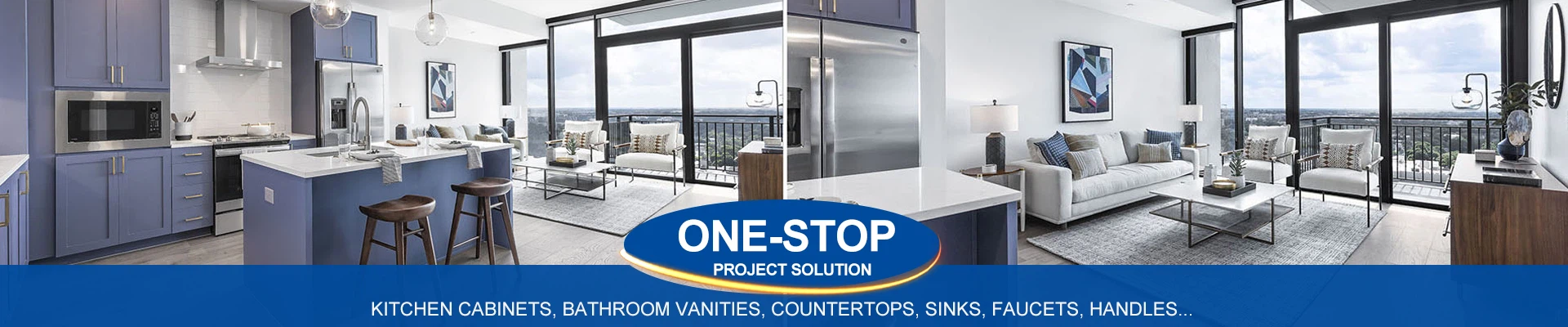
how to clean white kitchen cabinets that have yellowed
Aug 18, 2025
Leave a message
how to clean white kitchen cabinets that have yellowed

To restore the original brightness of yellowed white kitchen cabinets, follow this comprehensive guide based on causes and proven cleaning methods. Below is a step-by-step process with safety precautions and prevention tips:
Identify the Cause of Yellowing
Yellowing typically stems from:
Grease/oil buildup from cooking (most common, creates sticky residue)
UV exposure degrading finishes (similar to sun-bleached furniture)
Aging of oil-based paints/varnishes (natural chemical yellowing)
Smoke residue or harsh cleaning products
Preparation Steps
Empty cabinets and remove hardware (handles, hinges).
Protect surfaces with drop cloths; ensure ventilation.
Test cleaners on a hidden area (e.g., inside cabinet frame) to check for finish damage.
Cleaning Methods (Gentle to Strong)
1. Basic Soap Wash (Light Yellowing)
Mix 1 tsp mild dish soap with 1 quart warm water.
Dampen a microfiber cloth (wring until nearly dry), wipe cabinets in circular motions.
Rinse with water-dampened cloth; dry immediately to prevent water damage.
2. Vinegar Solution (Grease Removal)
Combine equal parts white vinegar and warm water in a spray bottle.
Spray onto cloth (not directly on cabinets), scrub yellowed areas.
For stubborn grease: Let solution sit 1–2 minutes before wiping.
3. Baking Soda Paste (Tough Stains)
Mix 3 parts baking soda + 1 part water to form a paste.
Apply with soft cloth/sponge, gently rub stains. Avoid abrasive pressure!
Rinse thoroughly.
4. Specialized Cleaners
Toothpaste: Apply non-gel paste directly on spots; rub gently with damp cloth. Rinse after 5 minutes (effective for small areas).
Cabinet Cleaner Wax: Use products with soft abrasives monthly to lift residue.
Avoid: Ammonia, bleach, or steel wool-these strip finishes irreversibly..
Rinsing & Drying
Wipe surfaces with water-dampened cloth to remove cleaner traces.
Dry immediately with clean towel to prevent moisture damage.
Leave cabinets open 1–2 hours to air-dry completely.
Prevention & Maintenance
Block UV Exposure:
Install UV-filtering window film or blinds.
Avoid placing cabinets in direct sunlight.
Reduce Grease Buildup:
Use exhaust fans while cooking; wipe cabinets weekly with diluted dish soap.
Regular Maintenance:
Clean monthly with vinegar solution or soapy water.
Apply furniture wax quarterly to protect finishes.
Upgrade Finishes:
If yellowing recurs, repaint with water-based acrylic paint (resists yellowing).
When to Seek Professional Help
Laminated cabinets with deep stains may require refinishing.
Severe UV damage or aged varnish might necessitate sanding and repainting.
By addressing causes methodically and prioritizing non-abrasive cleaners, most cabinets regain 80–90% of their original whiteness. Consistent maintenance prevents recurrence, preserving your kitchen's brightness for years. For persistent cases, consult cabinet restoration specialists.
how to clean kitchen cabinets with vinegar

To clean kitchen cabinets effectively and safely using vinegar, follow this step-by-step guide based on proven methods and precautions from reliable sources:
1. Preparation & Safety Checks
Empty Cabinets: Remove all items and hardware (handles, hinges) to access surfaces fully .
Protect Surroundings: Cover countertops/floors with drop cloths; ensure ventilation .
Test for Compatibility: Apply your vinegar solution to a hidden spot (e.g., inside frame) to check for discoloration or finish damage. Avoid vinegar on:
Unfinished wood or waxed surfaces (causes warping/stripping) .
Natural stone (e.g., marble, granite) due to acid etching .
2. Vinegar Solution Ratios & Application
Basic Degreaser (Mild Buildup)
Ratio: Mix equal parts white vinegar and warm water in a spray bottle .
Application:
Lightly spray solution onto a microfiber cloth (not directly on cabinets to avoid moisture seepage).
Wipe cabinets in circular motions, focusing on greasy areas near stoves/handles .
Time: Let sit 1–3 minutes for grease breakdown; wipe with a damp cloth, then dry immediately .
Heavy Grease & Stubborn Stains
Vinegar-Baking Soda Paste:
Combine 1 part vinegar + 2 parts baking soda to form a paste .
Apply with a soft cloth/sponge, gently rubbing stains (avoid abrasive pressure).
Rinse thoroughly and dry .
Enhanced Degreaser: Add 1 tsp dish soap to the vinegar-water solution for extra cutting power on sticky residue .
Caution: Baking soda may dull painted finishes; use sparingly or opt for vinegar-only on painted cabinets.
3. Deep Cleaning Techniques
Corners/Hardware: Use an old toothbrush dipped in vinegar solution to scrub crevices and hinges .
Interior Cabinets: Vacuum debris first, then wipe shelves with diluted vinegar .
Odor Removal: Add 5–10 drops of essential oil (e.g., lemon, lavender) to the solution to neutralize vinegar smell .
4. Rinsing & Drying
Rinse: Wipe surfaces with a water-dampened cloth to remove vinegar residue .
Dry Immediately: Use a clean, dry towel to prevent water marks or wood swelling .
Air Circulation: Leave cabinets open for 1–2 hours to ensure complete drying .
5. Maintenance & Prevention
Weekly Upkeep: Wipe cabinets with a 1:4 vinegar-water solution (1 part vinegar to 4 parts water) to prevent grease accumulation .
UV Protection: Install blinds/film on nearby windows to minimize finish yellowing from sunlight .
Avoid Harsh Cleaners: Never use bleach, ammonia, or abrasive pads with vinegar to prevent toxic fumes or surface damage .
Pro Tips for Specific Materials
| Cabinet Type | Cleaning Approach | Precautions |
|---|---|---|
| Laminate | Vinegar-water (1:1) or baking soda paste | Safe; durable against acid . |
| Painted Wood | Vinegar-water (1:4); avoid baking soda | Test for paint integrity . |
| Stained Wood | Diluted vinegar (1:4) only | Wax annually to protect finish . |
Time & Cost Efficiency
Time: ~3 minutes per cabinet for basic cleaning; 10+ minutes for heavy grease .
Cost: Vinegar (0.05/oz)+bakingsoda(0.10/oz) vs. commercial cleaners (3–8/bottle) .
With consistent use, vinegar solutions maintain cabinet hygiene without harsh chemicals. For laminated cabinets with deep stains, professional refinishing may be needed.