

how to fix thermofoil kitchen cabinets
Jul 13, 2025
Leave a message
how to fix thermofoil kitchen cabinets
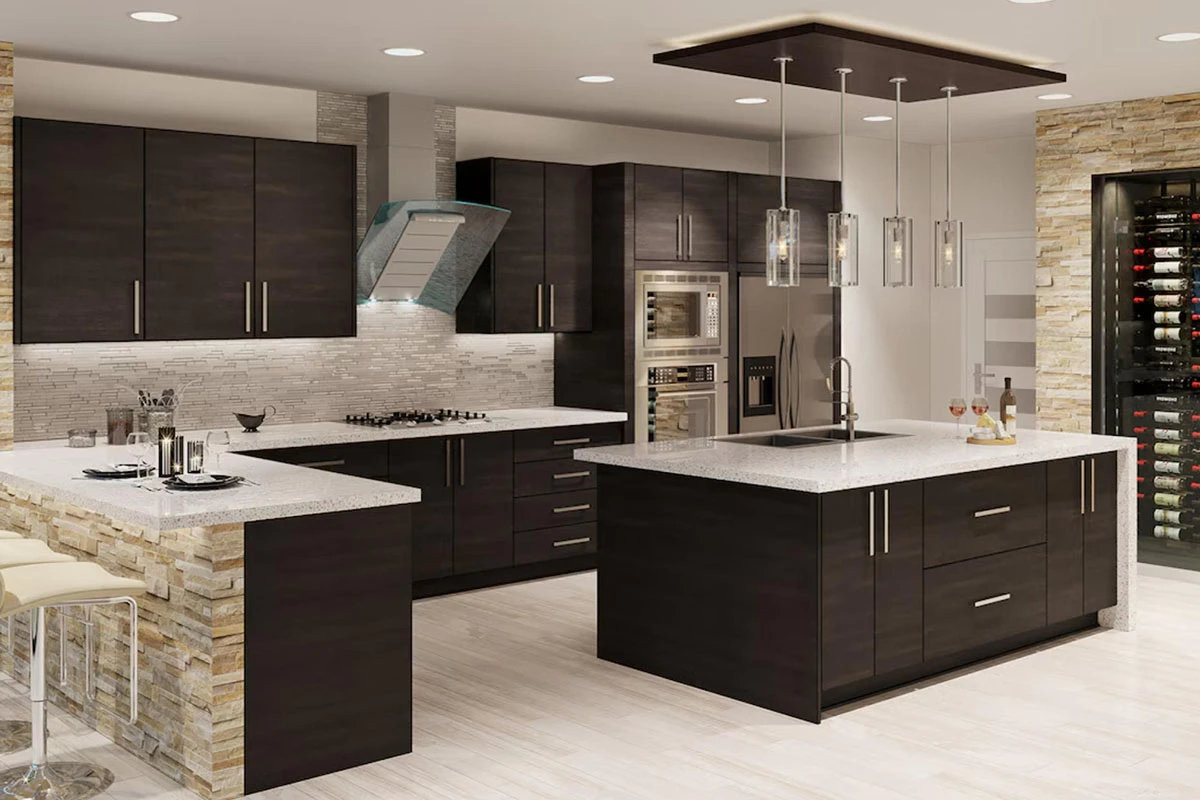
Here's a comprehensive guide to fixing thermofoil kitchen cabinets, addressing common issues like peeling, bubbling, scratches, and structural damage. Thermofoil cabinets require specific techniques due to their vinyl-coated MDF composition, which is sensitive to heat, moisture, and adhesion challenges.
Common Thermofoil Cabinet Issues & Repair Methods
Minor Peeling or Bubbling
Contact Cement Method:
Lift the loose thermofoil gently, apply high-strength contact cement (e.g., DAP Weldwood) to both the MDF core and vinyl underside .
Press down with a J-roller, then cover with wax paper and clamp for 24 hours. Trim excess with a utility knife.
Iron Repair:
Place a cloth over the bubbled area and iron at low heat (150°F/65°C) for 10–15 seconds to reactivate the adhesive .
Scratches or Gouges
Thermofoil Repair Kits: Use manufacturer-matched touch-up markers or fill sticks for shallow scratches .
Epoxy Filler: For deep gouges, fill with two-part epoxy (e.g., Minwax High-Performance Filler), sand smooth, and paint with enamel paint .
Heat or Moisture Damage
Delamination Near Appliances:
Install heat-resistant barriers (e.g., aluminum panels) between cabinets and stoves to prevent future damage .
Replace warped doors if the MDF core swells, as warping is irreversible .
Paint Overhaul (Severe Damage)
Preparation:
Degrease with TSP substitute, sand lightly with 220-grit paper, and clean with mineral spirits .
Prime with adhesion-promoting primer (e.g., Zinsser BIN Shellac) to seal the vinyl surface .
Painting:
Apply 2–3 thin coats of acrylic enamel (e.g., Benjamin Moore Advance) using a foam roller .
Cure for 72 hours before reattaching hardware .
Structural Repairs
Loose Hinges:
Fill stripped screw holes with wood glue and toothpicks; reattach hinges with longer screws .
Broken Drawers:
Reinforce joints with wood glue and clamps. For dovetail joints, disassemble and reglue .
Repair vs. Replacement Guide
| Issue | Repairable? | Cost | Best Solution |
|---|---|---|---|
| Minor peeling | Yes | 10–30 (DIY) | Contact cement or iron repair |
| Deep scratches | Partial | 15–50 | Epoxy filler + paint |
| Warping from moisture | No | N/A | Door replacement |
| Extensive delamination | No | 100–500 | New thermofoil doors |
✨ Pro Tip: Test repairs on hidden areas first. For paint adhesion, use UV-stable paints to prevent yellowing in sun-exposed kitchens.
Preventative Maintenance
Cleaning: Wipe weekly with mild soap and water; avoid abrasive cleaners .
Humidity Control: Use dehumidifiers or range hoods to reduce moisture .
Hardware Care: Lubricate hinges annually with silicone spray .
When to Call a Professional
Irreparable Damage: Warping, large-scale delamination, or structural MDF swelling .
Cost-Efficiency: Painting labor costs 3,000–5,000-often exceeding new door replacement.
is thermofoil good for kitchen cabinets
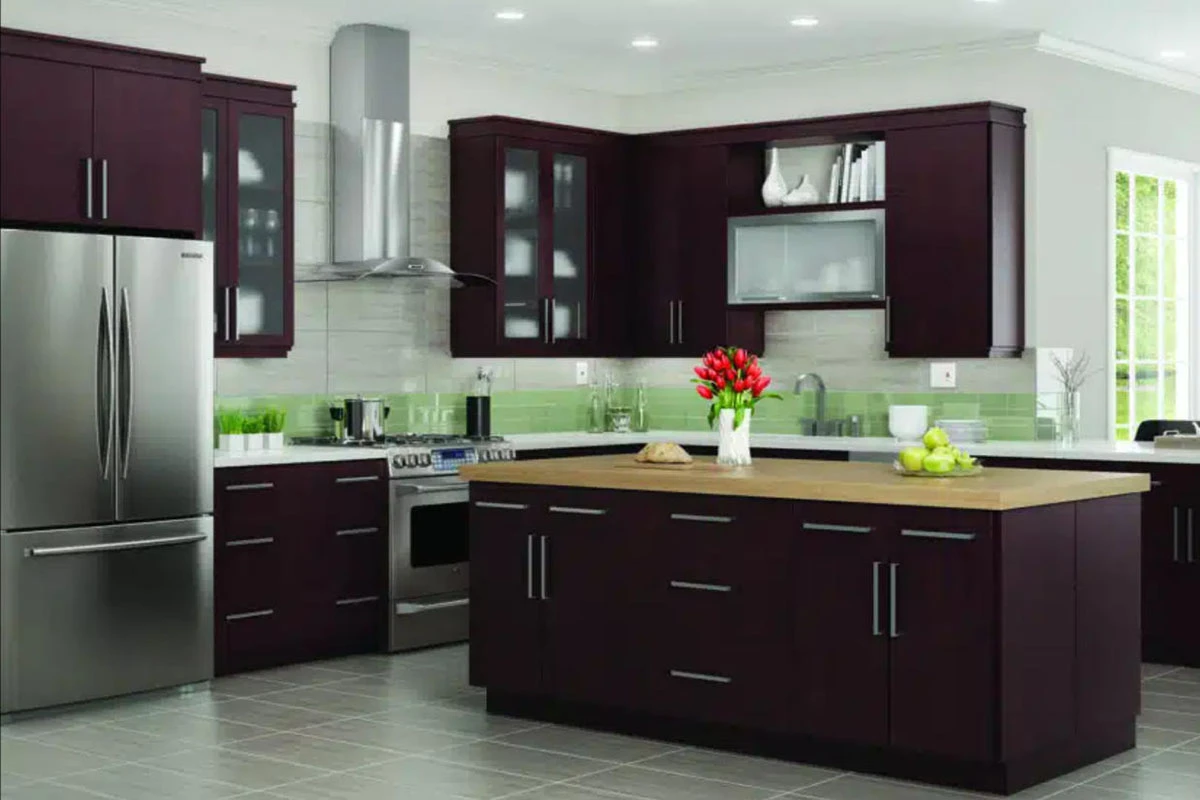
Thermofoil cabinets offer a mix of benefits and drawbacks for kitchen use. Below is a detailed analysis to help you decide if they suit your needs:
Advantages of Thermofoil Cabinets
Affordability & Aesthetics
Cost-Effective: 40–60% cheaper than solid wood or high-end laminates, ideal for budget renovations .
Seamless Finish: Provides a uniform, smooth appearance without visible seams or wood grain variations, suitable for modern/minimalist kitchens .
Design Versatility: Available in high-gloss, matte, woodgrain, or bold colors to match contemporary styles .
Low Maintenance & Moisture Resistance
Easy Cleaning: Wipe with mild soap and water; no polishing or sealing required .
Humidity Tolerance: Non-porous surface resists spills and steam, making them suitable for kitchens and bathrooms .
Key Drawbacks & Risks
Heat Vulnerability
Delamination Risk: Prolonged exposure to heat (>175°F) from ovens, stovetops, or self-cleaning cycles can cause peeling or bubbling .
Warping: Moisture infiltration into MDF cores may lead to irreversible swelling, especially near dishwashers or sinks .
Durability Limits
Lifespan: Typically lasts 10–15 years (vs. 20–30+ years for wood), with damage often requiring full replacement .
Scratch Sensitivity: Surface can gouge more easily than wood or laminate; repairs are often temporary .
Ideal Use Cases vs. Alternatives
| Scenario | Suitability | Recommendation |
|---|---|---|
| Budget-Friendly Remodels | ✅ High | Thermofoil offers stylish looks at lower cost |
| High-Heat Zones | ❌ Poor | Use wood, metal, or heat-resistant laminates |
| Humid Environments | ⚠️ Moderate | Ensure edges are sealed; avoid prolonged moisture exposure |
| Long-Term Investment | ❌ Low | Opt for solid wood or HPL (high-pressure laminate) |
Practical Recommendations
Mitigate Risks:
Install heat-resistant barriers (e.g., aluminum panels) near stoves .
Seal exposed MDF edges during installation to block moisture .
Maximize Longevity:
Clean with non-abrasive products; avoid steam cleaners .
Prioritize cabinets from reputable manufacturers (e.g., Armstrong) with strong warranties .
Cost-Benefit Balance:
Hybrid Approach: Use thermofoil for upper cabinets (away from heat) and wood for bases .
Refacing: Replace damaged thermofoil doors only (1,500–5,000) instead of full cabinet replacement .
Conclusion: When to Choose Thermofoil
Thermofoil is a smart choice if:
You prioritize affordability and modern aesthetics for a short-to-medium-term kitchen update.
Your kitchen has limited heat sources and you commit to proactive maintenance.
You need easy-to-clean surfaces for busy households .
Avoid thermofoil if:
You seek a lifetime investment or cook frequently with high-heat appliances.
Your kitchen has high humidity/poor ventilation or you prefer repairable surfaces .
Pro Tip: Request samples to test durability against heat/scratches, and compare warranties (e.g., 15-year coverage from premium brand.
are thermofoil cabinets good for bathrooms

Thermofoil cabinets can be suitable for bathrooms but come with significant caveats regarding moisture management and heat exposure. Below is a balanced analysis based on material properties, environmental factors, and real-world performance:
Advantages of Thermofoil in Bathrooms
Moisture Resistance
The non-porous PVC surface resists spills and humidity, preventing immediate water damage to the MDF core. This makes thermofoil superior to unfinished wood in damp environments .
Easy maintenance: Wiping with mild soap and water removes stains without specialized cleaners .
Cost-Effectiveness
Thermofoil cabinets are 40–60% cheaper than solid wood or premium laminates, ideal for budget renovations .
Aesthetic Versatility
Available in high-gloss, matte, or woodgrain finishes, allowing seamless integration into modern, minimalist, or traditional bathroom designs .
Critical Drawbacks & Risks
Vulnerability to Steam and Heat
Prolonged exposure to steam from showers or hot appliances (>175°F) can cause delamination (peeling or bubbling) at edges or seams .
MDF core swelling occurs if water penetrates unsealed edges, leading to irreversible warping .
Durability Limitations
Lifespan is typically 10–15 years (vs. 20–30+ years for solid wood), with damage often requiring full replacement .
Scratches or chips are difficult to repair and may expose moisture-sensitive MDF .
Ideal Use Cases vs. Alternatives
| Scenario | Thermofoil Suitability | Recommendations |
|---|---|---|
| Low-Humidity Powder Rooms | ✅ Excellent | Low steam exposure minimizes delamination risks. |
| Primary Bathrooms (Frequent Showers) | ⚠️ Moderate | Use only with exhaust fans; avoid near showers/tubs. Seal edges meticulously . |
| High-Traffic Family Bathrooms | ❌ Poor | Opt for solid wood, marine-grade plywood, or waterproof laminates . |
Mitigation Strategies for Success
Edge Sealing: Apply silicone sealant to all cut edges during installation to block moisture ingress .
Heat Avoidance: Install cabinets ≥24 inches from showers, tubs, or heaters. Use heat shields near lighting .
Quality Selection: Choose brands with waterproof MDF cores and extended warranties (e.g., 15-year coverage against delamination) .
Hybrid Approach: Use thermofoil for upper cabinets (away from sinks/showers) and moisture-resistant materials for vanities .
Conclusion: When to Choose Thermofoil
Thermofoil is a practical choice for:
Budget-conscious projects in secondary bathrooms or powder rooms with low humidity.
Short-term upgrades (e.g., rental properties) where cost savings outweigh longevity concerns.
Design-focused renovations requiring sleek, handle-free aesthetics.
Avoid thermofoil if:
Your bathroom lacks adequate ventilation or houses steam showers/saunas.
You prioritize lifelong durability or live in high-humidity climates .
Pro Tip: For humid bathrooms, consider thermofoil over PVC substrate (not MDF) or acrylic-faced cabinets for enhanced moisture resistance. Always test samples with steam exposure before purchasing.