


how to make a quartz countertop
Jul 22, 2025
Leave a message
how to make a quartz countertop

Creating quartz countertops involves a sophisticated manufacturing process followed by precise installation. Below is a detailed guide based on industry standards, covering both production and installation steps.
Part 1: Manufacturing Quartz Slabs
Raw Materials & Composition
Core Components: Mix 90–95% ground quartz (silica) with 5–10% polymer resins, pigments, and additives.
Quartz Sourcing: Natural quartz is mined, crushed, and purified to remove impurities.
Production Process
Mixing:
Combine quartz particles, resins, and pigments in industrial mixers.
Achieve uniform color and texture using automated systems.
Molding & Compaction:
Pour mixture into molds and compact under vacuum pressure (Bretonstone technology) to eliminate air bubbles.
Curing:
Heat slabs to 200–400°F (93–204°C) in kilns for 15–30 minutes to harden resins.
Cooling & Polishing:
Cool slabs gradually to prevent warping.
Polish surfaces with diamond-tipped tools for a glossy finish (up to 30 polishing stages for premium brands).
Quality Control:
Inspect slabs for defects, measure thickness tolerance (±1mm), and test for hardness (Mohs 7) and stain resistance.
Customization
Design Options: Add veining (e.g., marble-like patterns) with mineral oxides or embed recycled materials for eco-friendly variants.
Part 2: Installing Quartz Countertops
Preparation
Measure & Template:
Accurately measure countertop dimensions, including sink/appliance cutouts. Use laser templating for precision.
Substrate Support:
Ensure cabinets are level, anchored to walls, and reinforced with ¾-inch plywood or ledgers for weight support.
Slab Handling:
Use suction cups and 4+ people for lifting (slabs weigh 10–20 lbs/sq ft).
Installation Steps
Test Fit:
Place slabs on cabinets without adhesive to verify alignment and overhang (typically 1–1.5 inches).
Apply Adhesive:
Use high-quality silicone or epoxy adhesive designed for quartz.
Apply in 3-inch beads along cabinet tops with a notched trowel.
Position Slabs:
Lower slabs onto adhesive, press firmly, and align seams.
Use shims for leveling if needed.
Seam Treatment:
For multi-slab installations, apply seam adhesive and remove excess with a razor blade for invisibility.
Curing & Finishing:
Clamp slabs for 4–24 hours (varies by adhesive).
Seal edges with color-matched caulk and polish seams.
Critical Installation Tips
Avoid Heat Damage: Never place hot pans (>300°F/150°C) directly on quartz.
Adhesive Selection:
| Type | Curing Time | Best For |
|---|---|---|
| Epoxy | 24 hours | High-stress areas |
| Polyurethane | 8 hours | Standard installations |
| Silicone | 2–4 hours | Seams & edges |
Tool Safety: Use diamond-tipped blades (teeth pointing opposite cutting direction) and cool blades every 30 minutes.
Part 3: Professional vs. DIY Approach
DIY Feasibility: Possible for small sections with basic tools, but risky due to weight, precision cutting, and adhesive expertise.
Professional Recommended For:
Large kitchens with complex seams.
Heavy slabs requiring crane equipment.
Commercial installations (e.g., restaurants).
Part 4: Why Choose Quartz?
Durability: Scratch-resistant, non-porous (no sealing needed), and 10–15-year lifespan.
Eco-Impact: Brands like Quartzaro use recycled materials and low-emission resins.
Cost: 50–150/sq ft installed-higher than laminate but competitive with granite.
Safety & Maintenance Warnings
Cutting Hazards: Always wear N95 masks and goggles when cutting quartz-silica dust causes lung disease.
Cleaning: Use pH-neutral cleaners; avoid vinegar or bleach to preserve resin integrity.
UV Exposure: Limit outdoor use-sunlight may fade pigments over time.
Final Checklist for Success
Confirm cabinet strength and levelness.
Order 10% extra material for cutting errors.
Hire certified installers for warranties (e.g., Cambria offers 15-year coverage).
Pro Insight: Quartz's blend of natural strength and engineered precision makes it ideal for modern homes-but always prioritize professional fabrication for critical cuts and seams.
For custom projects, consult brands like mino (info@minofurnishings.com) for technical support and samples.
how to protect quartz countertops from heat

To protect your quartz countertops from heat damage-which can cause discoloration, cracks, or resin degradation-follow these evidence-based strategies, combining preventative measures, daily habits, and specialized products:
1. Core Protective Measures
Use Trivets & Hot Pads
Always place silicone, cork, or metal trivets under hot pans, pots, or baking sheets. Direct contact with items >150°F (65°C) risks scorch marks or thermal shock.
Pro Tip: Choose trivets with rubberized bottoms to prevent sliding.
Avoid Sudden Temperature Changes
Never place ice-cold items next to hot cookware, as rapid shifts in temperature may cause cracks.
2. Appliance & Cookware Management
Slow Cookers/Toasters: Elevate appliances with heat-resistant mats or trays. Crockpots can emit sustained heat >300°F, risking resin damage over time.
Stovetop Transfer: Place hot cookware on stovetops instead of countertops when possible.
Hair Tools: Use dedicated holders for curlers or straighteners-never rest them directly on quartz.
3. Daily Care & Cleaning
Gentle Cleaning Agents:
Use pH-neutral cleaners (e.g., Weiman Quartz Cleaner) and microfiber cloths. Avoid vinegar, bleach, or abrasive pads that degrade resin.
For spills, wipe immediately with mild soapy water to prevent residue buildup.
UV Protection:
Close blinds during peak sunlight to prevent fading in dark-colored quartz.
4. Proactive Protection Products
Protective Coatings: Apply NANOGuard Quartz Protection Kit or TuffSkin film to create a heat/stain barrier.
Reinforcements: For new installations, consider radiant heat systems under countertops to distribute warmth evenly and reduce thermal shock.
5. Critical Mistakes to Avoid
| Risk | Why It's Harmful | Alternative |
|---|---|---|
| Direct Hot Pan Contact | Causes yellow/brown burns or resin warping | Silicone trivets |
| Abrasive Cleaners | Scrubs off protective sealant, increasing vulnerability | Mild dish soap + water |
| Cutting Directly | Scratches create micro-fissures, weakening heat resistance | Always use cutting boards |
6. Long-Term Maintenance
Annual Inspection: Check for hairline cracks or discoloration; address early with epoxy kits for minor damage.
Warranty Compliance: Follow manufacturer guidelines (e.g., avoid heat >300°F) to maintain warranties.
Expert Insight: High-quality quartz (≥93% mineral content) withstands heat better than budget options-invest in premium brands like Cambria or Silestone for enhanced durability.
Final Checklist for Heat Safety:
✅ Trivets for all hot items → ✅ Daily gentle cleaning → ✅ Annual protective coatings → ✅ No direct appliance contact.
By adopting these practices, your quartz countertops will maintain their beauty and functionality for decades. If damage occurs, consult a professional for resin polishing or slab replacement.
how to restore shine to quartz countertops
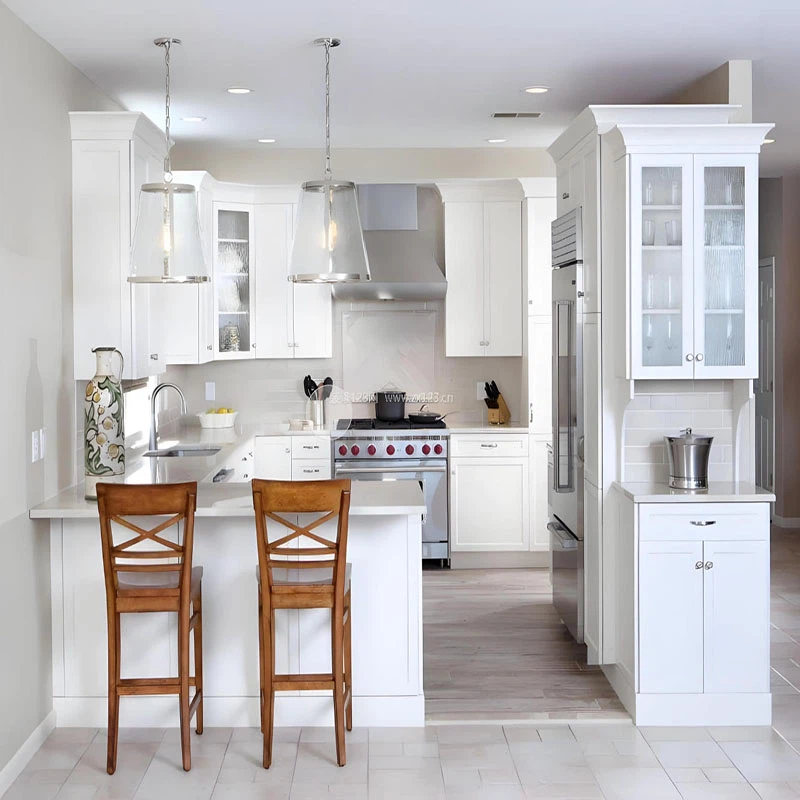
To restore the shine to your quartz countertops effectively and safely, follow these evidence-based methods tailored to the severity of dullness. Below is a comprehensive guide combining gentle cleaning, targeted polishing, and preventative care:
1. Gentle Cleaning for Mild Dullness
Daily Routine:
Mix warm water + mild dish soap (e.g., Dawn) in a spray bottle. Spray the surface, wipe with a microfiber cloth, then rinse with clean water and dry immediately.
Avoid oil-based soaps, as they leave residue that dulls shine.
Weekly Deep Clean:
For grease or cooking film, use glass cleaner (e.g., Weiman) or a vinegar-water solution (1:3 ratio). Spray, wipe, and buff dry.
2. Polishing Techniques for Moderate Dullness
DIY Solutions
Baking Soda Paste:
Mix 2 tbsp baking soda with warm water to form a paste. Gently rub cloudy spots in circular motions, rinse thoroughly, and buff dry.
Vinegar-Water Polish:
Combine 1 part white vinegar + 3 parts water. Spray evenly, polish with a dry microfiber cloth until glossy.
Commercial Products
Quartz-Specific Polish:
Apply products like Quartz Renew or Tenax Quartz Enhancer in circular motions. Avoid overuse-follow label instructions to prevent haze.
Polishing Kits:
Use NANOGuard or TuffSkin film for UV protection and enhanced gloss.
3. Addressing Stubborn Stains or Cloudiness
Chemical Stains (Acetone, Oil):
Apply Soft Scrub Oxi or Barkeeper's Friend Soft Cream with a non-abrasive sponge. Rinse well and polish.
UV-Induced Fading:
Close blinds during peak sun exposure. For faded dark quartz, use color-enhancing sealers.
4. Professional Restoration for Severe Damage
When to Call Experts:
Deep scratches, resin degradation, or widespread cloudiness unresponsive to DIY methods.
Professionals use diamond-tipped polishing pads or resin injections to restore factory finishes.
Cost: 150–500 depending on damage severity.
5. Causes of Dullness & Prevention
| Cause | Prevention Tip |
|---|---|
| Harsh Cleaners | Use pH-neutral cleaners only; avoid bleach, ammonia, or abrasive pads. |
| Heat Damage | Place trivets under hot pans (>150°F/65°C) to prevent resin scorching. |
| Improper Cleaning | Wipe spills immediately; avoid letting acidic substances (lemon juice, vinegar) sit. |
| UV Exposure | Install UV-blocking window film or use protective coatings. |
6. Product Comparison
| Product | Best For | Effectiveness |
|---|---|---|
| Quartz Renew Polish | Restoring factory gloss | ★★★★★ |
| Baking Soda Paste | Mild stains/cloudiness | ★★★☆☆ |
| Weiman Quartz Cleaner | Daily maintenance | ★★★★☆ |
Key Takeaways
Gentle Care Wins: Stick to mild soaps and microfiber cloths for daily use.
Sunlight & Heat Are Enemies: Use trivets and limit UV exposure.
Act Fast on Stains: Immediate cleaning prevents permanent dullness.
Professional Help: For deep damage, consult specialists to preserve warranties.
Pro Tip: Test any cleaner or polish in an inconspicuous area first. For high-traffic kitchens, apply protective coatings annually to lock in shine
By following these steps, your quartz countertops will regain their original luster within hours to days, depending on damage severity. Consistency in maintenance prevents 90% of dullness issues-treat quartz as a "protected surface," not a cutting board!