

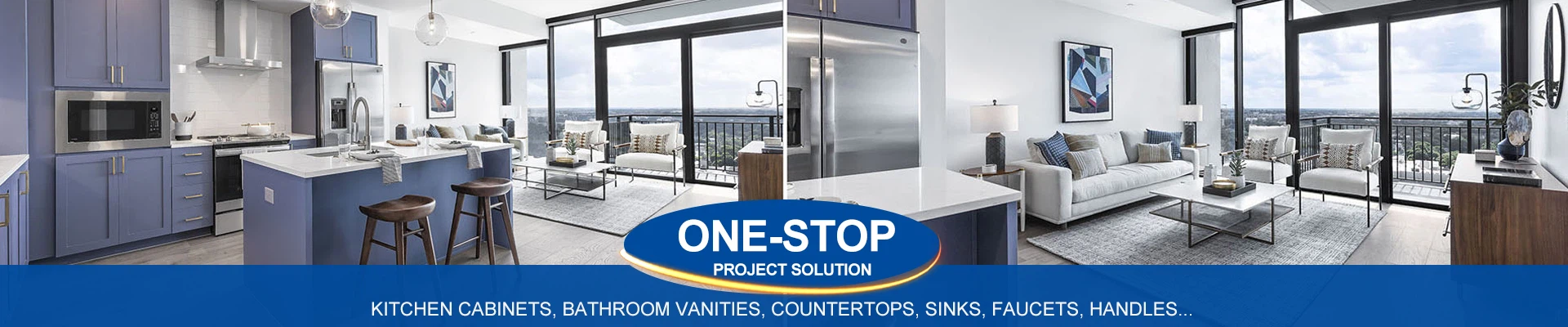
how to paint kitchen cabinets with lacquer
Jul 15, 2025
Leave a message
how to paint kitchen cabinets with lacquer

Phase 1: Preparation (60% of Success)
1. Disassembly & Cleaning
Remove doors/hardware: Label each door and hinge location for reassembly.
Degrease: Use trisodium phosphate (TSP) or a degreaser to eliminate grease buildup. Rinse with damp cloth and dry completely.
Repair damage: Fill chips/dents with epoxy wood filler; sand smooth with 220-grit paper.
2. Sanding
Scuff-sanding: Use 120-grit sandpaper to remove gloss, then 220-grit for smoothness. Never skip this-lacquer won't adhere to slick surfaces!.
Dust removal: Wipe surfaces with tack cloth or mineral spirits.
Phase 2: Priming & Painting
1. Primer Selection
| Primer Type | Best For | Product Examples |
|---|---|---|
| Shellac-based | Stain blocking; oily woods | Zinsser B-I-N |
| Bonding Primer | Glossy surfaces; adhesion | KILZ Adhesion |
| Oil-based | Durability; humid kitchens | INSL-X STIX |
2. Lacquer Application
Sprayer Setup: Use HVLP spray gun (0.8–1.4mm nozzle) for factory-grade finish. Maintain 8–12" distance.
Thin coats: Apply 6–8 ultra-thin coats (15–20µm each). Sand lightly with 320-grit between coats to remove dust nibs.
Conditions: Work at 70–75°F (21–24°C) and 40–60% humidity to prevent blushing or bubbling.
Critical Precautions
Ventilation: Lacquer emits toxic VOCs (toluene/xylene). Use NIOSH-approved respirators and explosion-proof fans.
Surface Imperfections:
Fish eyes: Caused by silicone residue. Add "fish eye eliminator" to lacquer.
Orange peel: Adjust spray viscosity with 10–15% thinner; practice on scrap wood first.
Drying/Curing:
Dry to touch: 20 minutes.
Recoat window: 1–2 hours.
Full cure: 72 hours before reassembly.
Phase 3: Reassembly & Maintenance
1. Hardware Reinstallation
Reuse original screw holes to ensure alignment. Adjust door gaps to 2–3mm for expansion.
2. Daily Care
Cleaning: Microfiber cloth + pH-neutral cleaner (e.g., diluted dish soap). Avoid ammonia, bleach, or abrasives.
Scratch Repair: Use manufacturer's touch-up pens-never sand DIY repairs.
Moisture Defense: Reapply silicone sealant annually at countertop joints.
Cost & Alternatives
| Aspect | Lacquer | Alternative (Acrylic) |
|---|---|---|
| Material Cost | 30–50/gallon | 40–70/gallon |
| Durability | 10–15 years (scratch-resistant) | 7–10 years |
| DIY Viability | Low (requires spray equipment) | Moderate (brush/roller ok) |
Conclusion: Why Lacquer Wins
Lacquer delivers unmatched durability and high-end gloss but demands meticulous prep and professional tools. Key takeaways:
Prep is non-negotiable: TSP cleaning + 220-grit sanding prevents peeling.
HVLP spraying is essential for seamless finishes-brushing causes streaks.
Prioritize safety: VOC exposure requires respirators and ventilation.
Pro Tip: For budget-friendly luxury, use lacquer on cabinet doors (high visibility) and acrylic on sides. Test sheens (satin/matte) in your kitchen's lighting before committing!
For heavily used kitchens, lacquer's resilience justifies its complexity. Rent spray equipment (75/day)orhireapro(2,000–$4,000) for guaranteed results
lacquer vs. high gloss kitchen cabinets

1. Material Composition & Finish Quality
Lacquer Cabinets:
Made from synthetic polymers (e.g., nitrocellulose, acrylic resin) dissolved in solvents, applied in 6–8 ultra-thin layers to achieve a mirror-like, ultra-high gloss (90%+ light reflectivity).
Finish depth creates a "liquid glass" effect, enhancing color richness and spatial depth.
High-Gloss Cabinets (Non-Lacquer):
Acrylic: Solid surface material with high gloss (less reflective than lacquer) and superior scratch resistance.
Thermofoil: Vinyl coating over MDF, offering a medium-gloss finish at lower cost but prone to peeling under heat/humidity.
Hi-Gloss Emulsion Paints: Water-based options with reflective surfaces but lower durability than lacquer.
2. Durability & Performance
|
Attribute |
Lacquer |
Non-Lacquer High Gloss |
|
Scratch Resistance |
Excellent (UV-stabilized layers) |
Good (acrylic) / Fair (thermofoil) |
|
Moisture Resistance |
Non-porous; resists steam/humidity |
Acrylic: Excellent; Thermofoil: Poor (peeling risk) |
|
UV Stability |
Resists yellowing with UV inhibitors |
Prone to fading/yellowing (thermofoil) |
|
Heat Tolerance |
Degrades above 200°F |
Acrylic: High tolerance; Thermofoil: Low tolerance |
3. Maintenance & Vulnerabilities
Lacquer:
Pros: Easy cleaning with pH-neutral solutions; stains resist absorption.
Cons: Shows fingerprints/smudges prominently; deep scratches require professional respraying.
High-Gloss Alternatives:
Acrylic: Fingerprint-resistant; cleanable with mild soap.
Thermofoil: Susceptible to gouges; irreparable if vinyl layer peels.
4. Cost & Value Analysis
|
Material |
Cost (per linear foot) |
Longevity |
Ideal Use Case |
|
Lacquer |
250–1,000+ |
15–20 years |
Luxury kitchens; high-traffic spaces |
|
Acrylic |
150–400 |
10–15 years |
Budget-conscious modern designs |
|
Thermofoil |
50–200 |
5–10 years |
Rental properties; low-use kitchens |
5. Design & Application Considerations
Light Reflection:
Lacquer's ultra-gloss maximizes light reflection, ideal for small/dark kitchens.
Matte/satin lacquer variants reduce glare in overly bright spaces.
Aesthetic Flexibility:
Lacquer offers unlimited RAL/Pantone color matching (e.g., bold reds, metallics).
Thermofoil has limited color options and lower visual depth.
Eco-Impact:
Lacquer emits high VOCs during application; requires professional ventilation.
Water-based high-gloss emulsions have low VOCs (≤50g/L).
6. Critical Precautions
Lacquer Installation:
Requires dust-free, climate-controlled environments (70–75°F, 50% humidity) to prevent bubbles/imperfections.
DIY application risks streaks; HVLP spray guns recommended for professionals.
Thermofoil Limitations:
Avoid near ovens/dishwashers; heat above 150°F delaminates vinyl.
Surface Compatibility:
Lacquer adheres best to MDF/plywood; poor bonding on oily woods.
Conclusion: Key Recommendations
Choose Lacquer If:
Prioritizing luxury aesthetics and durability in a primary kitchen.
Budget allows for professional installation (2,000–6,000) and eco-safe ventilation.
Choose Acrylic/Thermofoil If:
Seeking cost savings or DIY-friendly options (e.g., thermofoil for rentals).
Prefer low-maintenance surfaces (acrylic resists fingerprints better than lacquer).
Pro Tip: For high-traffic kitchens, use satin lacquer (35–45° gloss) to balance reflectivity with scratch/fingerprint masking.
For hybrid solutions, pair lacquer lower cabinets (scratch-resistant) with acrylic uppers to reduce costs while maintaining light reflection.Always test samples under your kitchen's lighting before finalizing!