

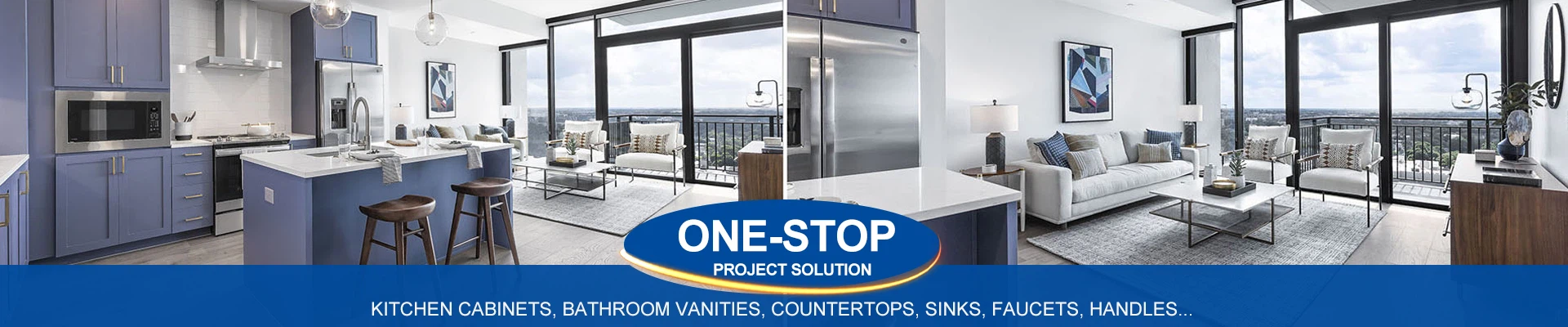
is melamine paint good for kitchen cabinets
Jul 23, 2025
Leave a message
is melamine paint good for kitchen cabinets

Melamine paint (or more accurately, painting over melamine cabinets) can be a good option for kitchen updates, but its success depends heavily on preparation, product selection, and application. Below is a balanced assessment based on key factors:
Advantages of Painting Melamine Cabinets
Cost-Effective Refresh
Painting is significantly cheaper than full cabinet replacement (typically 50% less) and avoids landfill waste, making it eco-friendly. It allows style updates without structural changes.
Durability with Proper Products
When paired with a plastic-bonding primer (e.g., Zinsser BIN, Bulls Eye 123) and whey-based enamel or water-based satinwood paint, the finish resists scratches, stains, and moisture. Thin, even coats ensure longevity.
Aesthetic Flexibility
Melamine paint accepts a wide range of colors (e.g., light jade green, neutrals, bold tones) and finishes (glossy, matte, wood-grain effects). Upgrading hardware (handles, pulls) further enhances the look.
DIY-Friendly Process
Homeowners can achieve professional results with tools like foam rollers, brushes, or paint sprayers. Projects can often be completed over a weekend
Challenges and Risks
Surface Preparation Is Critical
Melamine's non-porous, plastic-like surface resists adhesion. Skipping prep causes peeling. Essential steps include:
Degreasing with ammonia or sugar soap.
Sanding or using liquid deglosser to roughen surfaces.
Repairing chips/cracks beforehand.
Vulnerability to Heat and Heavy Use
Painted melamine may warp near ovens/stoves and chip under impact. Heat exposure can also cause yellowing over time.
Labor-Intensive Repairs
If the original melamine coating is peeling, removing it requires hours of scraping/sanding-adding complexity..
Not a Structural Fix
Painting cannot reinforce sagging or rotted cabinet boxes. If frames are damaged, replacement is wiser..
Expert Recommendations
Primers: Use bonding primers specifically for plastic/laminate (e.g., Zinsser BIN, Fossa BLOCK).
Paints: Opt for adhesion-promoting enamels (e.g., water-based satinwood) over standard latex. Apply 2–3 thin coats.
Alternatives: For less prep work, consider:
Refacing with Formica laminate.
Contact paper for wood-like textures.
Verdict
Melamine paint is "good" for kitchen cabinets if:
You prioritize affordability and customization.
You commit to rigorous prep and quality products.
Cabinets are structurally sound.
Avoid it if:
Cabinets endure heavy heat/impact.
You seek low-maintenance or decades-long durability.
For best results, consult tutorials detailing melamine-specific techniques.
is melamine cabinet durable

Melamine cabinets are generally considered durable for everyday use, but their longevity depends on material quality, environmental conditions, and maintenance. Here's a detailed assessment based on key factors:
Strengths Contributing to Durability
Surface Hardness & Scratch Resistance
Melamine coatings create a hard, non-porous surface that resists scratches, stains, and minor impacts. The decorative layer is fused under high pressure to substrates like particleboard or MDF, enhancing structural integrity.This makes it suitable for high-traffic areas like kitchens.
Moisture Resistance
When applied to moisture-resistant substrates (e.g., green-core particleboard or waterproof MDF), melamine effectively repels water and humidity, reducing swelling or warping in damp environments like kitchens.
Note: Joints and edges (where moisture can seep in) require proper sealing for optimal performance.
Chemical & Heat Tolerance
Resists common kitchen cleaners, oils, and moderate heat (e.g., near countertop appliances). However, direct exposure to high heat (e.g., pots >170°F/77°C) can cause cracking or discoloration over time.
Low Maintenance
The smooth surface is easy to clean with mild soap and water, avoiding abrasive tools that could damage the finish
Limitations and Vulnerabilities
Substrate-Dependent Performance
Durability heavily relies on the underlying material:
Particleboard/MDF: Prone to chipping if screws are over-tightened or edges impacted. Moisture damage may occur if the substrate isn't waterproof-grade.
Plywood/Blockboard: Offers better screw-holding strength and warp resistance.
Edge Delamination Risk
If edges aren't properly sealed or laminated, moisture ingress can cause swelling or peeling. Higher-quality cabinets use ABS edges or PVC banding to prevent this.
Irreparable Damage
Deep scratches or chips cannot be spot-repaired; entire panels often need replacement
Durability Comparison to Other Materials
| Material | Scratch Resistance | Moisture Resistance | Heat Tolerance | Lifespan |
|---|---|---|---|---|
| Melamine | High | Moderate-High* | Moderate | 7–15 years |
| Solid Wood | Low-Moderate | Low | High | 20+ years |
| Plywood + Veneer | Moderate | Moderate | High | 15–20 years |
| Thermofoil | Moderate | High | Low | 5–10 years |
| Depends on substrate quality and edge sealing. |
Maximizing Durability: Best Practices
Choose Quality Construction:
Opt for 18mm+ thick boards (not 16mm) for cabinets, with moisture-resistant cores.
Verify E0/E1 formaldehyde standards (e.g., ≤0.5 mg/L) for indoor air safety.
Protect Against Extremes:
Use trivets under hot cookware.
Wipe spills promptly, especially near sink areas.
Professional Installation:
Ensure precise sealing of edges/corners to block moisture entry.
Verdict
Melamine cabinets are durable for budget-friendly, mid-range kitchens when:
High-quality substrates and laminates are used.
Exposure to heat/moisture is managed.
For heavy-use or luxury kitchens, solid wood or plywood with high-pressure laminates (e.g., Formica) may offer superior longevity. Always check manufacturer warranties (e.g., some offer 10-year guarantees)