

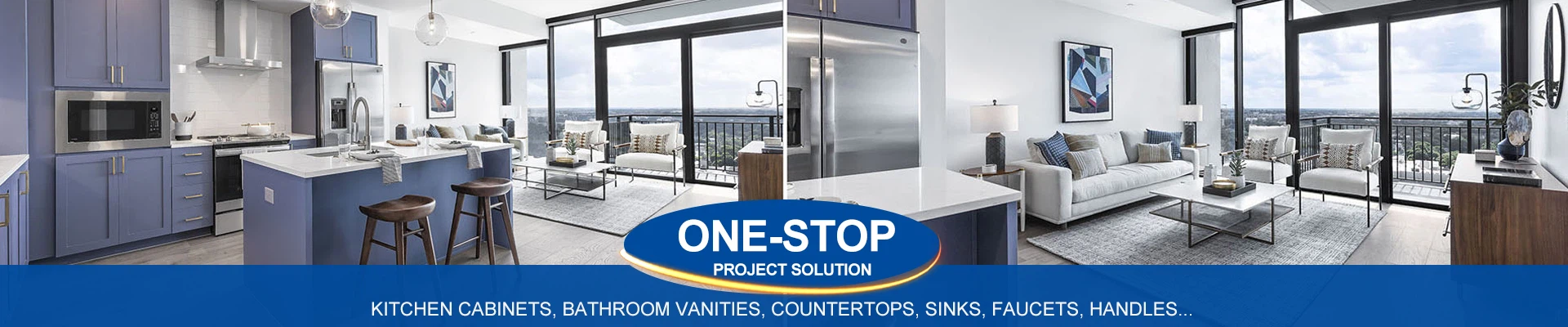
medium density fiberboard kitchen cabinets
May 15, 2025
Leave a message
Medium Density Fiberboard (MDF) Kitchen Cabinets: A Comprehensive Guide
Choosing MDF for kitchen cabinets involves balancing affordability, aesthetics, and practicality. Here's a breakdown to help you decide if MDF is right for your kitchen:
What is MDF?
MDF is an engineered wood product made from compressed wood fibers and resin. It's smooth, uniform, and lacks natural wood grain, making it ideal for painted finishes.
Pros of MDF Kitchen Cabinets
Smooth Finish: Perfect for painted cabinets-no grain bleed-through, ensuring a flawless, modern look.
Cost-Effective: Cheaper than solid wood or high-quality plywood, ideal for budget-conscious projects.
Design Flexibility: Easily shaped into detailed moldings, shaker-style doors, or curved edges.
Consistent Quality: No knots or voids, ensuring uniform strength and appearance.
Paintability: Holds paint exceptionally well, offering endless color options.
Cons of MDF Kitchen Cabinets
Moisture Sensitivity: Swells and warps if exposed to water (avoid near sinks/dishwashers unless using moisture-resistant MDF).
Weight: Heavier than plywood, requiring sturdy installation and support.
Durability Concerns: Susceptible to dents and scratches; difficult to repair if damaged.
Environmental Impact: Contains formaldehyde-based resins (opt for low-VOC or NAUF MDF for eco-friendliness).
Best Uses for MDF in Kitchens
Doors/Drawer Fronts: Ideal for achieving a sleek, painted finish.
Upper Cabinets: Less exposure to moisture compared to lowers.
Accent Features: Trim, moldings, or decorative panels.
Hybrid Builds: Pair MDF doors with plywood boxes for moisture-prone areas.
Tips for Maximizing MDF Cabinet Lifespan
Seal Edges: Use waterproof sealant (e.g., polyurethane) to prevent moisture absorption.
Moisture-Resistant MDF (MR-MDF): Invest in this variant for kitchens with higher humidity.
Prime & Paint Properly: Apply high-quality primer and cabinet-grade paint to seal the surface.
Avoid Prolonged Water Exposure: Wipe spills immediately and use mats near sinks.
MDF vs. Other Materials
| Feature | MDF | Plywood | Solid Wood |
|---|---|---|---|
| Cost | Affordable ($) | Moderate ($$) | Expensive ($$$) |
| Moisture Resistance | Poor (unless MR-MDF) | Good (hardwood grades) | Varies |
| Paint Finish | Flawless | Requires veneer/sanding | Natural grain |
| Durability | Moderate | High | Very High |
Cost Analysis
MDF Cabinets: 75–75–75–200 per linear foot (unpainted) or 100–100–100–300 (painted and installed).
Long-Term Savings: Use MR-MDF and quality paint to minimize replacement costs.
Final Recommendations
Choose MDF If:
You prioritize a smooth, custom-painted look.
Your kitchen has low to moderate humidity.
Budget constraints rule out solid wood or premium plywood.
Avoid MDF For:
Cabinets near sinks, dishwashers, or in humid climates (use plywood here).
High-traffic areas prone to dents/scratches.
Alternatives to Consider
Plywood: For cabinet boxes, shelves, and wet areas.
Thermofoil: Moisture-resistant, budget-friendly alternative to painted MDF.
Bottom Line: MDF is a cost-effective choice for stylish, painted cabinets but requires careful handling in moisture-prone zones. Pair with proper sealing and maintenance for a durable, beautiful kitchen! 🖌️✨