

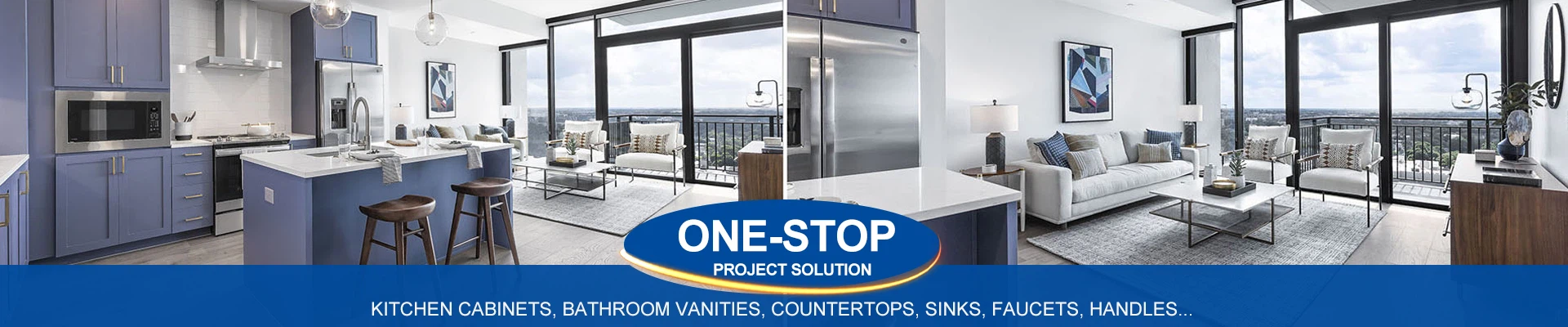
melamin decorative laminated playwood for cabinet
May 26, 2025
Leave a message
Melamine Decorative Laminated Plywood for Cabinets: A Complete Guide
Melamine decorative laminated plywood is a popular choice for modern cabinets, blending the structural benefits of plywood with the aesthetic and functional advantages of a melamine surface. Here's everything you need to know:
What is Melamine Decorative Laminated Plywood?
Core Material: High-quality plywood (layers of wood veneers bonded with adhesives).
Surface Finish: A decorative paper layer (printed with wood grain, solid colors, or patterns) is coated with melamine resin and heat-pressed onto the plywood.
Result: A durable, lightweight, and visually appealing sheet material ideal for cabinet construction.
Key Features & Benefits
Durability:
Scratch/Stain Resistance: The melamine layer protects against daily wear and tear.
Moisture Resistance: Plywood's layered core resists warping better than MDF or particleboard, especially when edges are sealed.
Aesthetic Flexibility:
Available in wood grains (oak, walnut, teak), solid colors (white, gray, black), and textured finishes (glossy, matte, embossed).
Mimics the look of expensive materials (e.g., natural wood, stone) at a fraction of the cost.
Strength & Stability:
Plywood's cross-grain structure provides superior strength for heavy cabinet doors and shelves.
Easy Maintenance:
Wipe clean with a damp cloth; resists grease and stains common in kitchens.
Cost-Effective:
More affordable than solid wood or HPL (high-pressure laminate) but offers better longevity than melamine-coated particleboard.
Ideal Uses in Cabinets
Kitchen Cabinets: Perfect for doors, drawer fronts, and cabinet boxes due to moisture resistance.
Bathroom Vanities: With sealed edges, it handles humidity better than MDF.
Wardrobes & Storage Units: Lightweight yet sturdy for shelving and frames.
Modern/Flat-Panel Designs: Achieve sleek, contemporary styles with seamless surfaces.
Limitations & Considerations
Edge Exposure:
Raw plywood edges must be sealed with PVC/ABS edge banding or iron-on tape to prevent moisture absorption.
Cutting Challenges:
Use sharp, carbide-tipped blades to avoid chipping the melamine layer during cutting/drilling.
Heat Sensitivity:
Avoid placing hot pans or appliances directly on the surface (use trivets).
Repairability:
Deep scratches or chips are difficult to fix; damaged panels may need replacement.
Comparison with Other Cabinet Materials
| Feature | Melamine-Laminated Plywood | Melamine Particleboard | Solid Wood |
|---|---|---|---|
| Strength | High (plywood core) | Low (prone to sagging) | Very High |
| Moisture Resistance | Good (if edges sealed) | Poor (swells easily) | Moderate |
| Cost | $$ | $ | $$$$ |
| Aesthetic Depth | Moderate (printed patterns) | Basic | Natural grain |
Installation Tips
Edge Sealing:
Use waterproof edge banding for kitchen/bathroom cabinets.
Hardware:
Pre-drill holes for hinges/screws to prevent splitting.
Opt for soft-close hinges to reduce wear on the melamine surface.
Cutting:
Score the melamine layer with a utility knife before sawing to minimize chipping.
Best Brands
Greenply: Known for eco-friendly, low-VOC options.
CenturyPly: Offers moisture-resistant "BWR Grade" plywood with melamine finishes.
Kitply: Budget-friendly with a wide range of decorative designs.
Pro Tips for Longevity
Clean spills promptly to avoid edge swelling.
Avoid abrasive cleaners; use mild soap and water.
In moisture-heavy areas, apply silicone sealant along joints.
Final Verdict:
Melamine decorative laminated plywood is an excellent choice for cost-effective, durable, and stylish cabinets. It outperforms particleboard in strength and moisture resistance while offering more design flexibility than solid wood. Pair it with quality edge banding and hardware for a professional, long-lasting finish.
\boxed{💡 Design Tip: Use matte-finish melamine plywood for a modern, fingerprint-resistant look in high-traffic kitchens!}