

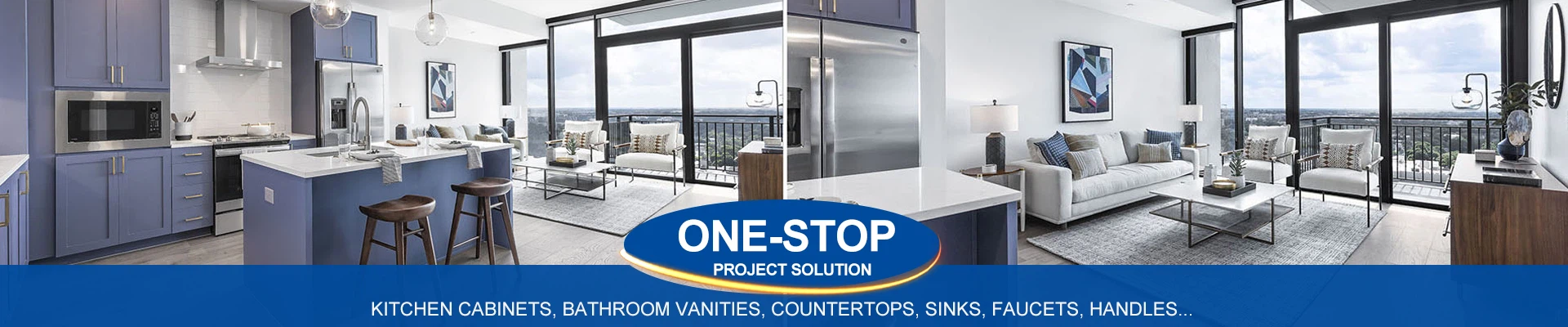
melamine laminate kitchen cabinets
May 26, 2025
Leave a message
Melamine Laminate Kitchen Cabinets: A Complete Guide
Melamine laminate cabinets are a popular budget-friendly option for kitchens, offering a balance of affordability, durability, and style. Here's everything you need to know:
What Are Melamine Laminate Cabinets?
Core Material: Typically made from particleboard or MDF (medium-density fiberboard).
Surface Finish: A decorative paper layer is coated with melamine resin and heat-pressed onto the substrate, creating a hard, smooth surface.
Design: Available in a variety of colors, patterns (e.g., wood grain, solid hues), and finishes (matte, glossy, textured).
Pros of Melamine Laminate Cabinets
Affordability:
One of the cheapest options for kitchen cabinets, ideal for budget renovations or rental properties.
Low Maintenance:
Non-porous surface resists stains, grease, and bacteria; easy to clean with a damp cloth.
Lightweight:
Easier to install than solid wood or heavy plywood cabinets.
Aesthetic Variety:
Mimics pricier materials like wood, stone, or high-gloss lacquer at a fraction of the cost.
Scratch Resistance:
More durable than painted surfaces but less so than high-pressure laminate (HPL).
Cons of Melamine Laminate Cabinets
Moisture Vulnerability:
Particleboard/MDF cores swell if exposed to water, especially at unsealed edges.
Heat Sensitivity:
Melamine surfaces can warp or discolor when exposed to high heat (e.g., near stoves).
Edge Durability:
Edges are prone to chipping or peeling over time if not properly sealed.
Lifespan:
Shorter lifespan (5–10 years) compared to HPL, plywood, or solid wood cabinets.
Melamine vs. Other Kitchen Cabinet Materials
| Feature | Melamine Laminate | High-Pressure Laminate (HPL) | Thermofoil | Solid Wood |
|---|---|---|---|---|
| Cost | $ (Most affordable) | $$ | $–$$ | $$$$ |
| Durability | Moderate | High | Moderate | High |
| Moisture Resistance | Poor (edges vulnerable) | Excellent | Moderate | Low (needs sealing) |
| Heat Resistance | Low | High | Low | High |
| Aesthetic Options | Limited patterns/textures | Extensive (luxury finishes) | Glossy, seamless edges | Natural wood grain |
Best Uses for Melamine Laminate Cabinets
Budget kitchens or temporary setups (e.g., rental units).
Low-moisture areas (e.g., upper cabinets, pantry storage).
DIY projects where cost and ease of installation are priorities.
Key Maintenance Tips
Seal Edges: Use waterproof silicone caulk or PVC edge banding to protect vulnerable edges.
Avoid Heat: Use trivets or hot pads under appliances/pots.
Clean Gently: Avoid abrasive scrubbers; use mild soap and water.
Fix Chips: Repair minor damage with melamine touch-up markers or filler paste.
When to Avoid Melamine Laminate
In high-moisture zones (near sinks, dishwashers) unless edges are fully sealed.
For heavy-use kitchens requiring long-term durability (opt for HPL or plywood).
If you want a luxury, high-end look (melamine lacks depth compared to real wood or HPL).
Cost Estimate
Melamine Cabinets: 50–50–50–150 per linear foot (depending on design and hardware).
Upgrades: Adding HPL doors or edge banding increases cost by 20–40%.
Pro Tips for Better Longevity
Pair with soft-close hinges to reduce wear on cabinet doors.
Install under-cabinet lighting to minimize moisture buildup.
Choose lighter colors (e.g., white, gray) to hide minor scratches and wear.
Final Verdict:
Melamine laminate cabinets are a practical, budget-friendly choice for low- to moderate-use kitchens. While they lack the durability of premium materials, proper sealing and maintenance can extend their lifespan. For high-traffic or humid kitchens, consider upgrading to HPL or plywood cores.