

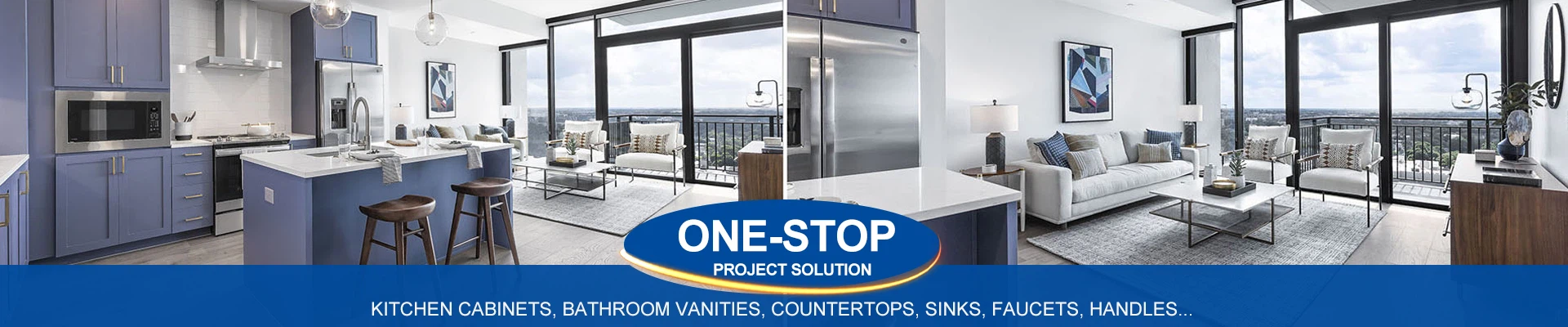
what is mdf kitchen cabinets
May 16, 2025
Leave a message
MDF Kitchen Cabinets: A Complete Guide
MDF (Medium-Density Fiberboard) is a popular engineered wood product used in kitchen cabinets. Here's everything you need to know:
What is MDF?
MDF is made by breaking down hardwood or softwood residuals into wood fibers, combining them with wax and resin, and forming panels under high heat and pressure. It's smooth, dense, and uniform, with no natural wood grain.
Pros of MDF Kitchen Cabinets
Affordable:
Cheaper than solid wood or plywood, making it ideal for budget-friendly kitchens.
Smooth Surface:
Perfect for painted finishes (no grain or knots), allowing flawless, modern looks.
Resists Warping:
Less prone to expansion/contraction compared to natural wood in stable environments.
Eco-Friendly:
Often made from recycled wood waste, reducing deforestation.
Consistent Quality:
Uniform texture and density, ideal for intricate designs (e.g., Shaker-style doors).
Cons of MDF Kitchen Cabinets
Heavy:
Denser than plywood, making installation and adjustments harder.
Vulnerable to Moisture:
Swells and deteriorates if exposed to water (e.g., near sinks or dishwashers) unless sealed properly.
Less Durable:
Prone to dents, scratches, and chipping over time.
Limited Screw Holding:
Hinges or handles may loosen over time due to weaker grip compared to solid wood.
Off-Gassing:
Contains urea-formaldehyde (in some products), which can emit VOCs (volatile organic compounds).
MDF vs. Other Materials
| Feature | MDF | Plywood | Solid Wood |
|---|---|---|---|
| Cost | Cheapest | Moderate | Most expensive |
| Moisture Resistance | Poor (unless sealed) | Good (marine plywood best) | Varies (cedar, teak best) |
| Paintability | Excellent (smooth finish) | Good (requires filling) | Good (grain shows) |
| Durability | Moderate (prone to damage) | High | Highest |
Best Uses for MDF Cabinets
Painted Finishes: Ideal for crisp, modern designs (e.g., all-white kitchens).
Low-Moisture Areas: Upper cabinets or dry kitchens (avoid near sinks).
Budget Projects: Affordable alternative to pricier materials.
Decorative Elements: Panels, trim, or cabinet doors with intricate detailing.
Maintenance Tips
Avoid Water Exposure: Seal edges with paint or laminate and wipe spills immediately.
Gentle Cleaning: Use a damp cloth (no harsh chemicals).
Repairs: Fill dents with wood filler and repaint.
Environmental Considerations
Look for low-VOC or NAF (no added formaldehyde) MDF to reduce indoor air pollution.
Recyclable, but check local facilities (not all accept MDF).
When to Avoid MDF
High-moisture areas (e.g., under sinks, bathrooms).
Heavy-use zones prone to impacts (e.g., homes with kids/pets).
If you prefer natural wood grain or long-term durability.
Final Verdict: MDF is a cost-effective, versatile choice for kitchens with a focus on painted, modern aesthetics in low-moisture areas. Pair with moisture-resistant materials (e.g., plywood boxes) and proper sealing for longevity.