

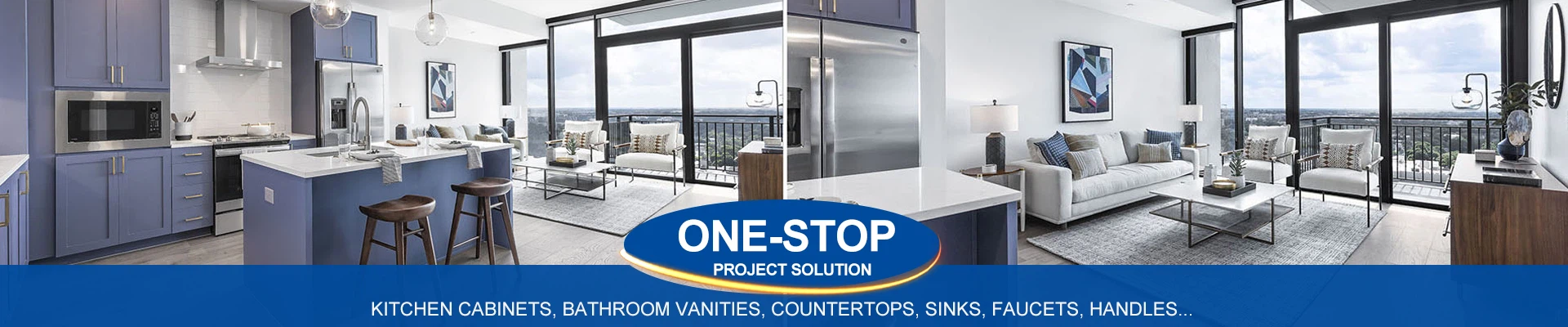
what's new in kitchen cabinets
Sep 09, 2025
Leave a message
what's new in kitchen cabinets

Here are the latest trends and innovations in kitchen cabinets for 2025, focusing on design, functionality, technology, and materials:
1. Design Styles: Minimalism, Fusion & Personalization
Modern Minimalism: Clean lines, handleless designs (with push-to-open mechanisms or integrated finger pulls), and monolithic appearances are dominant. Neutral palettes like whites, grays, and earthy tones (e.g., sage green, warm beige) create calm, spacious feels . Flat-panel slab doors and concealed hardware maintain sleek surfaces .
Style Fusion: Hybrid designs blending elements from different styles are gaining traction. Examples include Industrial-Nordic (metal frames with light wood), Japandi (Japanese minimalism + Scandinavian warmth), and Modern Organic (clean lines with natural textures) . These cater to personalized aesthetics beyond traditional classifications .
Retro Revival: Vintage-inspired cabinets with shaker-style doors, framed glass inserts, and classic colors like navy blue or forest green are making a comeback, often paired with modern finishes for a timeless yet contemporary look .
2. Innovative Features & Functional Enhancements
Advanced Storage Solutions: Maximized efficiency through:
Integrated Organizers: Pull-out spice racks, tiered drawers, vertical tray dividers, and corner solutions (e.g., rotating "magic" shelves or swing-out systems) eliminate dead space .
Appliance Integration: Dedicated cabinets with built-in ventilation, power outlets, and custom compartments for air fryers, coffee makers, and other countertop gadgets keep counters clutter-free .
Elevated Islands: Multi-functional islands with integrated prep sinks, dining extensions, charging stations, and dedicated storage for specific tasks (e.g., baking, recycling) .
Ergonomic & Accessibility-Focused Designs: Height-adjustable countertops (electric or manual), pull-down upper cabinets, and easy-access drawers are becoming standard, enhancing comfort for all users and ages .
3. Smart Technology Integration
Connected Features: Cabinets with motion-sensor lighting (activated upon opening), wireless charging surfaces (for devices), and integrated touchscreens (for recipes, smart home control) are rising . These often sync with broader smart home ecosystems .
Proactive Functionality: Emerging tech includes cabinet-environment sensors (e.g., monitoring temperature/humidity to protect stored goods) and auto-replenishment systems (e.g., tracking pantry items and automatically reordering) .
4. Materials & Finishes: Sustainability & Texture
Eco-Conscious Materials: Sustainable options are prioritized:
Green Core Materials: Use of recycled/reclaimed wood, rapidly renewable bamboo, and low-VOC (Volatile Organic Compound) finishes is growing . LCF (Low Carbon Footprint) certified boards and water-based coatings align with eco-values .
Durable Surfaces: Quartz and mineral composite countertops remain popular for durability and aesthetics . Recycled glass countertops are emerging as a sustainable choice .
Textured & Tactile Finishes: While high-gloss remains, matte, textured laminates (e.g., concrete, linen, wood grain effects), and fluted glass fronts add visual interest and depth, moving beyond purely smooth surfaces .
5. Color & Aesthetics: Boldness & Warmth
Warm Neutrals: Shades like warm white, oat milk, and light taupe are replacing cooler grays, creating cozy, inviting atmospheres .
Statement Colors: Bold hues are used for accents or full cabinets. Deep greens (e.g., forest, sage), navy blue, terracotta, and even rich burgundy are popular for adding personality and depth . Two-tone kitchens (e.g., neutral uppers with colored lowers) remain a strong trend .
Natural Wood Tones: Lighter woods like oak and maple are favored for bringing warmth and a organic, Scandinavian feel. Wood is often used in combination with painted cabinets for balance .
6. Professional Tips for Implementation
Focus on Function First: Prioritize storage needs and workflow (e.g., "kitchen work triangle") before finalizing aesthetics. Deep drawers for pots, integrated trash/recycling, and dedicated zones make daily use smoother .
Lighting is Key: Combine undercabinet task lighting, in-cabinet ambient lights, and overhead fixtures to enhance functionality and showcase design .
Balance Trend with Timelessness: Incorporate trends through easily changeable elements (e.g., hardware, lighting, decor) while keeping major investments (cabinets, countertops) more classic for longevity .
Consult Experts: For integrated tech or custom storage, work with a kitchen designer to ensure proper installation, functionality, and alignment with your lifestyle .
Conclusion
The latest kitchen cabinet trends for 2025 blend aesthetics with intelligence, personalization, and sustainability. Whether you prefer the quiet luxury of minimalism, the character of retro styles, or the convenience of smart features, the focus is on creating a kitchen that is both beautiful and highly functional to fit your unique needs .
For more visual inspiration and specific product recommendations, exploring resources from leading cabinet manufacturers and kitchen design platforms can be helpful .
what type of screws to hang kitchen cabinets

Here is a detailed guide to help you choose the right screws for hanging your kitchen cabinets, ensuring a secure and lasting installation.
1. Recommended Screw Types
Cabinet Screws (Washer-Head/Button-Head): These are the top choice for hanging kitchen cabinets. They feature a large-diameter head (washer or button style) that provides a wider contact surface, increasing holding power and preventing the screw from pulling through the cabinet material. They are typically available in #8 or #10 sizes and lengths ranging from 2-1/4 inches to 3-1/2 inches.
Wood Screws: Ideal for attaching cabinets to wooden studs. They provide a firm grip and are less likely to strip or split the wood. #8 or #10 wood screws that are 2 to 3 inches long are commonly recommended.
Lag Screws: These are the most heavy-duty option and are optimal for mounting cabinets to concrete or masonry walls. They are very strong and have a coarse thread for superior gripping. They do require pre-drilling.
2. Key Selection Criteria
Length: The screw must be long enough to penetrate at least 1 inch into the wall studs or solid backing. For wall cabinets, common lengths are 2-1/2 to 3-1/2 inches. For base cabinets, which may attach to floor joists, common lengths are 2 to 3 inches.
Material & Finish: Choose corrosion-resistant materials for longevity, especially in a kitchen environment.
Stainless Steel: Ideal for humid environments.
Zinc-Coated: Provides good corrosion resistance and can be matched to cabinet hardware.
Avoid plain steel or brass in moist areas, as they can rust or lack strength.
Head Type: Washer-head or button-head designs are preferred for their large bearing surface, which distributes force and enhances grip on the cabinet frame.
Drive Type: Square drive (Robertson) or Torx drive bits are highly recommended as they reduce "cam-out" (slipping) and allow for higher torque application without damaging the screw head, leading to a more secure installation.
3. Screws to Avoid
Drywall Screws: These are not recommended for cabinet installation. They are designed for attaching drywall to studs and do not provide the necessary holding power or shear strength for heavy cabinets. Using them can lead to cabinet failure.
Incorrect Length or Type: Using screws that are too short may not provide enough grip, while those that are too long can damage plumbing or wiring inside the walls. Avoid using screws not designed for the specific cabinet material or wall type.
4. Installation Tips
Pre-Drill Holes: Always pre-drill pilot holes to prevent the wood from splitting and to ensure a smoother, more controlled installation.
Find Wall Studs: Cabinets must be anchored into wood studs or other solid structural supports (like concrete/masonry for lag screws). Use a stud finder to locate them. If attaching to drywall where studs aren't available, use appropriate heavy-duty wall anchors designed for the load, but studs are always preferred.
Professional Hardware: For the most secure and seamless installation, consider specialized hardware like "cabinet hanging screws" or "euro screws" designed specifically for this purpose, though they may be more expensive.
5. Recommended Brands
GRK: Known for high-quality, corrosion-resistant screws with sharp tips and aggressive threads.
SPAX: Offers cabinet screws with large-diameter heads and various lengths, known for high holding power.
Kreg: A trusted brand in woodworking, known for user-friendly and durable screws for cabinet installation.
Conclusion
For a secure and lasting installation, cabinet screws (washer-head or button-head) in the appropriate length and corrosion-resistant material (like stainless steel) are your best bet. Always anchor into wall studs, pre-drill holes, and use a square or Torx drive for the best results. Avoiding drywall screws and choosing quality brands will ensure your kitchen cabinets are safely and securely mounted.
what's the best color to paint kitchen cabinets

Choosing the best color for your kitchen cabinets depends on your personal style, the existing elements in your kitchen, and the atmosphere you want to create. Based on the latest 2025 trends and timeless classics, here's a guide to help you decide:
1. Warm White & Creamy Neutrals
Why it works: Warm whites (e.g., Benjamin Moore Simply White, Sherwin-Williams Alabaster) are timeless, brighten spaces, and make small kitchens feel larger. They offer versatility, pairing well with any countertop, backsplash, or hardware, and reflect light to create an airy, inviting atmosphere.
Ideal for: Small kitchens, minimalist or farmhouse styles, and homes with limited natural light. Pair with wood accents or bold backsplashes for contrast.
2. Sage Green & Nature-Inspired Greens
Why it works: Sage green brings a calming, organic feel to kitchens, evoking tranquility and connection to nature. It pairs beautifully with brass hardware, white countertops, and natural wood elements, making it a top trend for 2025.
Ideal for: Farmhouse, modern organic, or transitional styles. Use it in well-lit spaces to enhance its serene vibe.
3. Navy Blue & Deep Blues
Why it works: Navy blue (e.g., Sherwin-Williams Naval) adds sophistication and drama while maintaining a classic appeal. It works well with gold or brass hardware and light countertops, creating a striking contrast.
Ideal for: Larger kitchens or as an accent on islands. It hides stains well and suits coastal or luxurious designs.
4. Matte Black & Charcoal
Why it works: Matte black offers a bold, modern look that adds depth and drama. It pairs excellently with light countertops, metallic hardware (e.g., brass or stainless steel), and works well in open-concept spaces.
Ideal for: Industrial or contemporary kitchens. Use it in well-lit areas to avoid a cramped feel.
5. Natural Wood Tones
Why it works: Light woods like white oak or walnut bring warmth and texture, fitting seamlessly into Scandinavian, Japandi, or rustic styles. They are sustainable and pair well with modern elements like stainless steel or stone countertops.
Ideal for: Creating a cozy, inviting atmosphere. Use clear seals or light stains to highlight the natural grain.
6. Soft Pastels & Earthy Tones
Why it works: Colors like dusty rose, soft peach, or terracotta add warmth and whimsy without overwhelming the space. They are perfect for creating a cheerful, retro-inspired or Mediterranean vibe.
Ideal for: Accent cabinets or smaller kitchens. Pair with neutral walls and vintage hardware for a balanced look.
7. Two-Tone Combinations
Why it works: Combining colors (e.g., white uppers with navy lowers or sage green lowers with wood uppers) adds visual interest and depth. This trend allows for creativity while maintaining functionality.
Ideal for: Defining zones in open-concept kitchens. It balances boldness with practicality.
Key Considerations When Choosing:
Lighting & Space: Light colors (e.g., white, pastels) enhance small or dimly lit kitchens, while dark colors (e.g., navy, black) suit spacious, well-lit areas.
Existing Elements: Match cabinet colors to countertops, flooring, and backsplashes. For example, navy cabinets pop against white marble, while sage green complements wood accents.
Style & Longevity: Timeless shades like white or gray offer flexibility, while bold colors (e.g., terracotta, emerald green) make a statement but may require more commitment.
Practicality: Consider finishes; matte/satin hides fingerprints, while glossy finishes are easy to clean. Darker colors can conceal stains better.
Conclusion
The "best" color ultimately depends on your personal taste and kitchen context. For timeless elegance, opt for warm whites or natural woods. For modern drama, choose navy blue or matte black. For a calming, trendy look, sage green or soft pastels are ideal. Always test samples in your kitchen's lighting before deciding, and consider consulting professionals for a cohesive design.