


why does my bathroom sink drain smell like rotten eggs
Sep 03, 2025
Leave a message
why does my bathroom sink drain smell like rotten eggs
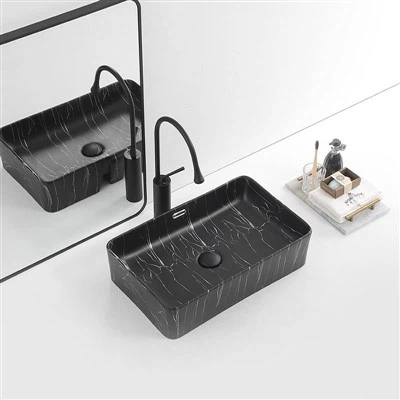
That unpleasant rotten egg smell from your bathroom sink drain is a common household issue, almost always caused by hydrogen sulfide gas (H₂S). This gas is produced when anaerobic bacteria (bacteria that thrive without oxygen) break down organic matter like hair, soap scum, and other debris trapped in your plumbing system.
Here's a breakdown of the common causes, how to fix them, and when to call a professional.
Common Causes of the Smell
Bacteria in the Drain or P-Trap: The most common culprit is a buildup of organic material (hair, soap, toothpaste, skin cells) in the drainpipe or the U-shaped pipe under the sink called the P-trap. This gunk decomposes, creating a perfect environment for odor-producing bacteria.
Dry P-Trap: The P-trap is designed to hold water, which creates a seal blocking sewer gases from entering your home. If a sink is rarely used (e.g., in a guest bathroom), the water in the P-trap can evaporate, breaking the seal and allowing sewer gases to waft up through the drain.
Issues with Your Water Heater: If the smell is particularly strong or only present when you run the hot water, the source could be your water heater. Sulfur bacteria can thrive inside the tank, especially if the temperature is set too low (below 140°F or 60°C). A corroded anode rod can also react with sulfates in the water, producing hydrogen sulfide gas.
Clogged or Blocked Plumbing Vent: Your plumbing system has vent pipes that exit through your roof to regulate air pressure and expel sewer gases. If this vent is clogged by leaves, debris, or a nest, it can cause drains to gurgle and sewer gases to be forced back into your home through sink drains.
Problems with the Water Source (For Well Water Users): If you have a private well, hydrogen sulfide gas can occur naturally in the groundwater due to sulfur bacteria or chemical reactions in the rock and soil.
Sewer Line Issues: In rare cases, a more serious problem like a cracked or blocked sewer line could be the source of the odor. This is more likely if multiple drains in your home are smelly or draining slowly.
How to Get Rid of the Smell
Start with these simple, effective DIY solutions:
Clean the Drain with Baking Soda and Vinegar:
Pour about 1 cup of baking soda directly down the drain.
Follow it with 1 cup of white vinegar.
Cover the drain (if possible) and let the mixture fizz and bubble for 15-20 minutes. This reaction helps break down organic buildup.
Flush the drain with a pot of boiling water to clear away the residue.
Flush with Hot Water and Dish Soap:
Mix a few drops of dish soap with a kettle of boiling water and pour it slowly down the drain. This helps dissolve grease and wash away light debris.
Ensure the P-Trap Has Water:
If the sink is seldom used, simply run water for a few minutes to refill the P-trap and restore the protective water seal.
Clean the P-Trap:
Place a bucket under the U-shaped P-trap under your sink.
Unscrew the connectors (by hand or with channel-lock pliers) and remove the trap.
Empty its contents into the bucket and scrub it thoroughly with warm, soapy water.
Reinstall it securely, ensuring there are no leaks.
Address Water Heater Issues:
If the smell is from your hot water, try temporarily increasing your water heater temperature to 160°F (71°C) for a few hours to kill the bacteria. Caution: This water can scald, so be careful and keep children away. Flush the water heater afterwards to remove sediment.
Consider replacing the anode rod in your water heater with an aluminum or zinc-aluminum alloy rod, which is less reactive with sulfur.
When to Call a Professional
Call a licensed plumber if:
The smell persists after you've tried the methods above.
You suspect a problem with the main sewer line or plumbing vent stack.
You are uncomfortable performing tasks like cleaning the P-trap or adjusting the water heater.
You have well water and suspect the source is your water supply; a professional can test your water and recommend treatment systems like a chlorinator or filtration system designed to remove hydrogen sulfide.
Prevention Tips
Regular Cleaning: Pour baking soda and vinegar or flush with hot water down the drain weekly or monthly to prevent buildup.
Use Drain Screens: Install hair catchers or drain screens to prevent debris from going down the drain.
Run Water in Seldom-Used Sinks: Run water in guest bathroom sinks and showers for a few minutes every few weeks to keep the P-traps full.
Maintain Your Water Heater: Flush your water heater annually to remove sediment and consider replacing a standard magnesium anode rod if sulfur smells are a recurring issue.
A Note on Safety and Bleach
While it might be tempting, avoid using bleach to clean the drain. It can be harsh on your pipes, may not effectively eliminate the bacterial source, and can create dangerous toxic fumes if mixed with other chemicals like ammonia or vinegar. Stick to the safer baking soda and vinegar method or use an enzyme-based drain cleaner designed to break down organic matter.
By understanding these causes and solutions, you can effectively tackle that unpleasant odor and keep your bathroom smelling fresh.
What are the best natural cleaners to prevent drain smells without damaging pipes?

Here are the most effective natural cleaners to prevent drain odors while being gentle on your plumbing system, based on professional recommendations and eco-friendly practices:
1. Baking Soda + Vinegar Combination
This classic duo creates a fizzy reaction that breaks down organic buildup (food particles, grease, and bacteria) and neutralizes odors.
Method: Pour ½ cup baking soda down the drain, followed by 1 cup white vinegar. Cover the drain to contain the fizz, let it sit for 15–30 minutes, then flush with boiling water.
Frequency: Weekly or biweekly for maintenance.
Benefits: Non-toxic, safe for all pipes (including PVC and septic systems), and deodorizes effectively.
2. Salt + Baking soda + Vinegar
Salt adds mild abrasion to scrub pipe interiors without causing damage.
Method: Mix ½ cup salt + ½ cup baking soda, pour into the drain, then add 1 cup vinegar. Let it sit for 15–20 minutes before rinsing with hot water.
Best For: Tackling greasy kitchen sinks.
3. Citrus Peels + Hot Water
Citrus acids (from lemons, oranges, or limes) cut through grease and leave a fresh scent.
Method: Toss citrus peel pieces into the drain, followed by a pot of boiling water.
Alternative: Use lemon juice + baking soda for a stronger effect.
4. Boiling Water Flushes
Simple yet effective for melting accumulated grease and preventing bacterial growth.
Method: Pour a kettle of boiling water down drains weekly. For extra power, add 1 cup salt to the water to dissolve grease.
Caution: Avoid if pipes are PVC (use very hot tap water instead).
5. Essential Oils
Oils like tea tree, lavender, or peppermint have antibacterial properties and leave a pleasant aroma.
Method: Add a few drops into the drain followed by hot water, or include them in baking soda/vinegar solutions.
6. Enzyme-Based Cleaners (Commercial Natural Options)
For persistent odors, biodegradable enzyme cleaners break down organic matter without chemicals.
Top Picks:
Green Gobbler Drain Clog Dissolver: Bleach-free, safe for pipes/septics.
ECOS Earth Enzymes: Uses natural enzymes to liquefy grease and organic waste.
Instant Power Eco Clog Preventer: Enzyme-based with a citrus scent.
Usage: Apply monthly for maintenance.
Prevention Tips
Regular Maintenance: Run hot water through drains weekly to prevent buildup.
Use Drain Strainers: Catch hair/food debris before they enter pipes.
Avoid Grease Disposal: Never pour oils or grease down drains.
Check P-Traps: Ensure unused drains have water in the U-bend to block sewer gases.
What to Avoid
Harsh Chemicals: Bleach or acid-based cleaners can corrode pipes and harm septic systems.
Overuse of Boiling Water: Can damage PVC pipes if done excessively.
Natural methods are safer for pipes, environmentally friendly, and often more cost-effective than chemical alternatives. For severe clogs or persistent odors, consider professional plumbing inspection to rule out deeper issues.
How can I tell if the rotten egg smell is coming from my water supply rather than the drain?

To determine if that unpleasant rotten egg smell is coming from your water supply rather than just the drain, you can perform a few simple diagnostic tests. Here's a step-by-step guide based on common and effective methods:
1. The Glass Test (Isolate the Water Source)
Steps:
Run the cold water from the affected faucet for 1-2 minutes.
Fill a clean glass with this water and immediately move to a different room (away from the sink).
Swirl the water in the glass and smell it.
Interpretation:
If the smell is present in the glass, the odor is likely from the water supply itself (e.g., hydrogen sulfide in groundwater or municipal water).
If the smell disappears, the problem is probably in the drain or P-trap (e.g., bacterial buildup or sewer gas).
2. Test Both Hot and Cold Water
Steps:
Smell the water from the same faucet using both hot and cold settings.
Interpretation:
If the odor is only present in hot water, it may indicate sulfur bacteria in your water heater (common due to reactions with magnesium anode rods).
If the odor is present in both, the issue is likely with the main water supply.
3. Check Multiple Fixtures
Steps:
Test water from other faucets, showers, or outdoor spigots in your home.
Interpretation:
If the smell is widespread (e.g., in kitchens, bathrooms, and outdoor taps), the source is likely the water supply (e.g., well contamination or municipal water issue).
If it's localized to one drain, the problem is probably that specific drain's plumbing.
4. Rule Out Drain-Specific Issues
Quick Drain Check:
Pour a cup of water down the drain to refill the P-trap (the U-shaped pipe that blocks sewer gases). If the smell diminishes after this, the odor was likely from evaporated trap water allowing sewer gas to escape.
Clean the drain with a mixture of baking soda and vinegar. If the odor persists after cleaning, the water supply may be the culprit.
5. Professional Testing (If DIY Is Inconclusive)
Water Test Kits:
Use a home test kit for hydrogen sulfide (H₂S) or sulfur bacteria.
Lab Testing:
For well water, send a sample to a certified lab to check for hydrogen sulfide, coliform bacteria, or sulfur bacteria.
Consult Experts:
If the smell is strong or persistent, contact your local water utility (for municipal water) or a plumber/water specialist (for well water) to identify supply-side issues.
Key Summary Table
| Signs It's the Water Supply | Signs It's the Drain |
|---|---|
| Smell persists in a glass of water taken away from the drain | Smell disappears when water is moved to another room |
| Odor present in both hot and cold water | Odor only near the drain or after running water |
| Multiple household fixtures affected | Only one drain smells |
| Smell is consistent regardless of drain cleaning | Smell reduces after cleaning the drain or refilling the P-trap |
When to Seek Help
Call a Professional If:
The smell is widespread and linked to well water (may require filtration systems like activated carbon or chlorine injection).
You suspect natural gas leaks (evacuate and contact your gas company immediately).
DIY methods fail to resolve the issue, as persistent odors may indicate deeper problems like sewer line breaks or bacterial contamination in pipes.
By systematically using these tests, you can pinpoint whether the rotten egg smell originates from your water supply or the drain, guiding you toward the right solution.