

Description
Technical Parameters
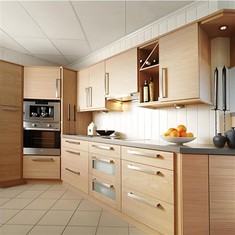
DIY wood veneer cabinets

DIY Wood Veneer Cabinets:A Comprehensive Guide
Introduction
Wood veneer cabinets offer a unique blend of natural beauty,durability,and affordability,making them an attractive choice for homeowners looking to enhance their kitchen or other living spaces.For those with a DIY spirit,creating your own wood veneer cabinets can be a rewarding and cost-effective project.This paper provides a detailed guide on how to build and finish DIY wood veneer cabinets,along with essential tips and considerations to ensure a successful outcome.
Materials and Tools Required
Before diving into the project,it is crucial to gather all the necessary materials and tools.Here is a list to get you started:
Materials
• Wood Veneer Sheets:Choose high-quality veneer sheets in your preferred wood species and finish.
• Substrate Material:Plywood or MDF(Medium Density Fiberboard)for the cabinet carcass.
• Wood Glue:Specifically designed for bonding veneer to the substrate.
• Clamps:To hold the veneer in place while the glue dries.
• Sanding Paper:Fine-grit sandpaper for smoothing surfaces.
• Finish:Stain,paint,or clear coat to protect and enhance the veneer.
• Hardware:Hinges,handles,and other cabinet hardware.
Tools
• Circular Saw or Jigsaw:For cutting the substrate and veneer sheets.
• Router:With a flush trim bit for trimming the veneer edges.
• Sander:For smoothing surfaces before and after veneering.
• Measuring Tape and Square:For accurate measurements and cuts.
• Safety Gear:Including gloves,goggles,and a dust mask.
Step-by-Step Guide to Building DIY Wood Veneer Cabinets
Step 1:Planning and Design
• Measure the Space:Accurately measure the area where the cabinets will be installed.Consider the height,width,and depth of the cabinets.
• Design the Cabinets:Sketch out the design,including the layout,dimensions,and type of cabinets(base,wall,or tall).Decide on the number of shelves and drawers.
• Create a Cutting List:Based on your design,create a detailed list of all the pieces you need to cut from the substrate and veneer.
Step 2:Cutting the Substrate
• Mark the Cuts:Use a measuring tape and square to mark the cuts on the plywood or MDF substrate.
• Cut the Pieces:Use a circular saw or jigsaw to cut the substrate pieces according to your cutting list.Ensure clean and straight cuts.
Step 3:Applying the Veneer
• Prepare the Surfaces:Sand the substrate pieces to ensure they are smooth and free of any imperfections.
• Cut the Veneer:Cut the veneer sheets to match the dimensions of the substrate pieces.Leave a slight overhang for trimming later.
• Apply Wood Glue:Spread a thin,even layer of wood glue on the substrate.Place the veneer sheet on top,aligning it carefully.
• Clamp and Press:Use clamps to press the veneer firmly onto the substrate.Ensure even pressure across the entire surface.
• Trim the Edges:Once the glue is dry,use a router with a flush trim bit to trim the excess veneer,creating a smooth edge.
Step 4:Assembly
• Assemble the Carcass:Use wood glue and nails or screws to assemble the cabinet carcass.Ensure all joints are square and secure.
• Install Shelves and Drawers:Attach the shelves and drawer boxes according to your design.Ensure they are level and properly aligned.
Step 5:Finishing
• Sand the Cabinets:Lightly sand the entire cabinet to smooth out any rough areas and prepare the surface for finishing.
• Apply Finish:Apply your chosen finish,whether it's stain,paint,or clear coat.Follow the manufacturer's instructions for application and drying times.
• Install Hardware:Attach hinges,handles,and other hardware to complete the cabinets.
Important Considerations and Tips
Safety First
• Wear Protective Gear:Always wear gloves,goggles,and a dust mask when cutting and sanding to protect yourself from dust and debris.
• Use Proper Ventilation:Ensure good ventilation when applying glue and finishes to avoid inhaling fumes.
Precision is Key
• Accurate Measurements:Take precise measurements to ensure all pieces fit together perfectly.Double-check your measurements before cutting.
• Smooth Surfaces:Sand all surfaces thoroughly before applying veneer to ensure a strong bond and a smooth finish.
Handling Veneer
• Handle with Care:Wood veneer is thin and delicate.Handle it carefully to avoid tears or damage.
• Avoid Moisture:Keep veneer sheets away from moisture to prevent warping or curling.
Finishing Touches
• Multiple Coats:Apply multiple thin coats of finish rather than one thick coat for a smoother,more durable finish.
• Protective Coating:Consider adding a protective coating,such as polyurethane,to enhance durability and protect against scratches and stains.
Conclusion
Building DIY wood veneer cabinets can be a fulfilling and cost-effective project that allows you to create custom furniture tailored to your needs and preferences.By following the steps outlined in this guide and paying attention to the important considerations,you can achieve professional-looking results.Remember that patience and precision are key to a successful DIY project.With the right tools,materials,and techniques,you can transform your kitchen or living space with beautiful,functional wood veneer cabinets.
QAS
Does wood veneer scratch easily?
Because it's made from natural wood, wood veneer is prone to scratching and gouging, which can quickly make it look weathered and worn. And unlike solid wood, when wood veneer gets damaged it's not easy to repair by sanding away scratches because the top wood layer is thin and easy to cut through.
Is wood veneer waterproof?
Wood veneer itself, like the real wood from which it is made, is porous and absorbent. Therefore, it is not waterproof. It can, however, be treated with finishes like lacquer, and polyurethane, which will make it much more water-resistant,
How to tell if veneer is bad?
Common Signs of Bad Veneers
Discomfort or Pain. Well-fitted veneers should feel comfortable and natural.
Unnatural Appearance.
Stained Veneers.
Visible Gaps or Margins.
Leakage at the Gumline.
Chipped or Cracked Veneers.
Misalignment or Poor Fit. .
Gum Recession or Swelling.
Hot Tags: diy wood veneer cabinets, China diy wood veneer cabinets manufacturers, suppliers, Wood Veneer Cabinet Doors, Wood Veneer Panels Cabinets, Cabinet Wood Veneer, wood veneer cabinet
Previous
Wooden Veneer CabinetSend Inquiry