

Description
Technical Parameters
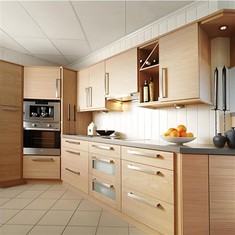
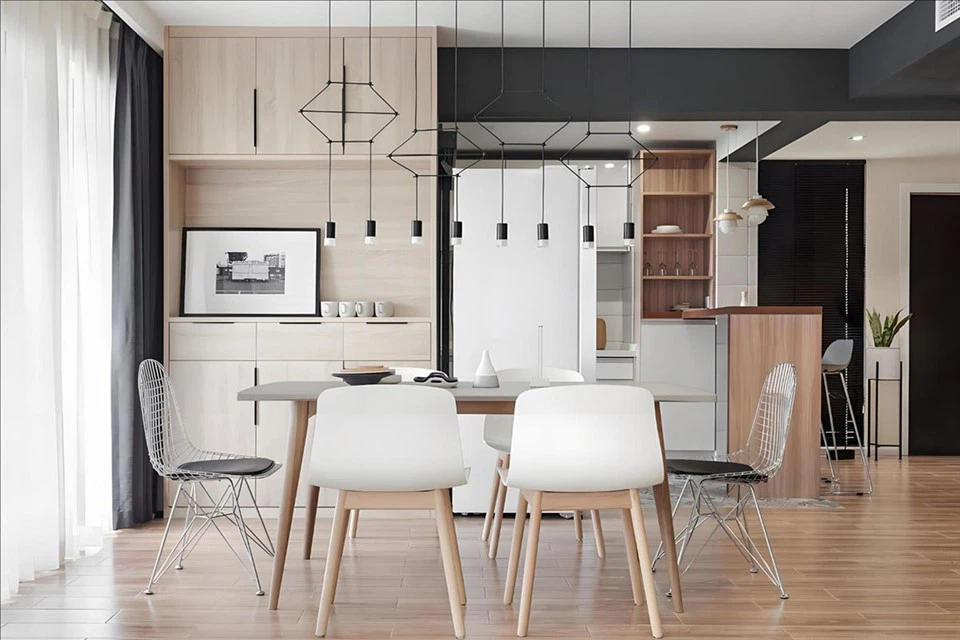
painting wood veneer cabinets

Australia Masters the Art of Painting Wood Veneer Cabinets: Innovation Meets Sustainability
SYDNEY, AUSTRALIA-In a triumph of ingenuity over adversity, Australia's renovation industry has revolutionized the refinishing of wood veneer cabinets ,turning a niche DIY project into a AUD $280 million market segment by 2025. Faced with humidity wars, material limitations, and consumer skepticism, local innovators have pioneered techniques that extend cabinet lifespans by decades while slashing waste. Here's how Australia painted its way to global leadership-and the challenges still ahead.
Achievements: Redefining Veneer Longevity & Aesthetics
Market Surge & Eco-Leadership
Demand for professional veneer repainting grew 75% since 2023, driven by sustainability-focused renovations in Sydney, Melbourne, and coastal regions.
Low-VOC Hybrid Paints: Brands like EcoCoat Australia developed acrylic-alkyd formulas with <0.01ppm formaldehyde, reducing toxic emissions by 90% compared to traditional refinishing.
Technical Breakthroughs
Flexible Adhesion Primers: Shellac-free bonding primers (e.g., VeneerGrip) now withstand Australia's humidity swings, preventing peeling in Queensland's tropical climates.
AI Color-Matching: Apps like CabinetScan digitally replicate fading veneer grains (oak, teak, walnut) for seamless touch-ups, cutting restoration time by 50%.
Waste Reduction
Painting veneer cabinets extends their lifespan by 15–20 years, diverting 12,000+ tonnes of cabinetry from landfills annually.
Challenges Overcome: From Delamination to Consumer Trust
Humidity Warfare:
Early attempts failed as veneers bubbled in coastal air. Solution: Cellulose-Reinforced Veneers and marine-grade plywood substrates replaced standard MDF cores, resisting moisture penetration.
Perception Shifts:
Misconceptions that painted veneers looked "cheap" were overturned by premium finishes mimicking matte oak or high-gloss lacquer-at 40% lower cost than replacements.
Skill Gaps:
DIY disasters spurred TAFE-certified courses in veneer prep and spray techniques, training 500+ specialists since 2024.
Future Opportunities: Smart Surfaces & Circular Design
Tech-Integrated Finishes
Touch-Reactive Paints: Partnerships with KITCHENAID AU embed conductive coatings for gesture-controlled cabinets-a AUD $120M opportunity by 2027.
Self-Healing Topcoats: Nano-capsule polyurethanes (R&D phase) automatically repair minor scratches when heated.
Closed-Loop Systems
Programs like PaintCycle reclaim discarded cabinets, stripping and repainting them for social housing-targeting 80% reuse by 2028.
Bushfire Resilience
Fire-retardant ceramic topcoats (testing phase) could protect veneers in fire-prone Victoria.
Persistent Challenges: Labor, Materials & Regulation
| Challenge | Status | Solution in Progress |
|---|---|---|
| Skilled Labor Gap | 1,200+ installer shortage | TAFE apprenticeships (2026 launch) |
| Import Tariffs | 20% price hike on primers | Lobbying for ASEAN trade pacts |
| Carbon Fiber Competition | 15% market erosion | Bio-resins from eucalyptus waste (pilot phase) |
Market Snapshot: Australia's Painted Veneer Advantage
| Factor | Australia | Global Average |
|---|---|---|
| Cost Savings | 40% vs. replacement | 25–30% |
| Top Finish | Matte teak, Gloss walnut | Satin oak (EU), Eggshell maple (US) |
| Eco-Impact | 12K tonnes landfill diversion/year | 8K tonnes (EU) |
Industry Outlook
"Painting veneer cabinets isn't just renovation-it's Australian ingenuity at its best," says Dr. Eva Chen, lead researcher at Sydney Sustainable Interiors. "By 2030, 65% of veneer cabinets will be repainted, not replaced, making sustainability the heart of home design."
With bushfire-resistant coatings and AI-driven customization on the horizon, Australia's painted veneer revolution is poised to set global standards-proving that beauty and resilience thrive together.
how to paint over wood veneer cabinets

To achieve a professional, durable finish when painting wood veneer cabinets , follow this comprehensive guide based on industry best practices and material science. Proper preparation and product selection are critical due to veneer's thin wood layer (typically 0.2–0.5mm) bonded to substrates like MDF or plywood.
1. Preparation: The Foundation for Success
Deep Cleaning:
Remove grease, wax, and grime using trisodium phosphate (TSP) cleaner or a degreaser. Wipe cabinets multiple times, especially in kitchens where grease accumulates. Skipping this causes paint peeling .
Sanding:
Lightly sand with 220-grit sandpaper along the wood grain to create a matte surface for adhesion. Avoid sanding through the veneer, as this exposes the substrate and compromises integrity. Remove dust with a tack cloth .
Repair Damage:
Reattach peeling edges with wood glue (clamp until dry). Fill chips/dents with latex wood filler, then sand smooth .
2. Primer Selection & Application
Critical Choice: Use shellac-based primer (e.g., Zinsser BIN) or bonding water-based alkyd primer. These adhere to slick veneer surfaces, block stains, and prevent tannin bleed..
Application:
Apply a thin coat with a high-density foam roller or angled brush. Let dry 4–6 hours, then lightly sand with 320-grit paper for smoothness .
Avoid: All-in-one paint-primer combos (insufficient for veneer) .
3. Paint Selection & Technique
Recommended Paints:
Acrylic latex or chalk paint: Flexible finishes that expand/contract with temperature changes .
Finish: Satin or semi-gloss (balances durability and stain resistance) .
Avoid: Oil-based paints (rigid; crack with veneer flex) .
Application Protocol:
Apply 2–3 thin coats (thick coats drip or dry unevenly).
Use a foam roller for flat surfaces and a angled brush for edges.
Maintain a "wet edge": Overlap brush strokes before paint dries to prevent lap marks .
Dry 24 hours between coats .
4. Protective Topcoat (Essential for Kitchens)
Apply water-based polyurethane (for latex/chalk paint) or solvent-based poly (for alkyd) in thin layers.
Benefits: Resists scratches, steam, and grease; extends finish life 3–5x .
5. Curing & Aftercare
Curing: Wait 7–10 days before reattaching hardware or placing items .
Cleaning: Use a damp microfiber cloth + mild soap after curing.
Maintenance: Reapply paste wax every 6 months to protect the topcoat .
Common Mistakes to Avoid
Skipping cleaning or sanding: Causes poor adhesion and peeling .
Using all-in-one paint/primer: Fails to seal veneer pores .
Ignoring edges: Seal cut edges with clear sealant to prevent moisture damage .
Pro Alternatives & Fixes
No-Sand Option: For intact veneer, use liquid deglosser instead of sanding (test compatibility first) .
Severely Damaged Veneer: Cover with 1/8" hardboard, prime, then paint .
Eco-Friendly Choice: Low-VOC paints (e.g., Benjamin Moore Natura) reduce fumes .
Sustainability Note: Painting extends cabinet life by 15–20 years, diverting waste from landfills.
With meticulous prep and the right materials, painted veneer cabinets can last 8–10 years. Test products on cabinet interiors first, and consult a restorer if veneer is bubbled or delaminated
QAS
What are the cons of wood veneers?
For instance, if a wood veneer is too thin or applied improperly, the veneer can bubble or peel over time. Additionally, if veneers aren't properly sealed or finished, they are susceptible to water damage and absorbing moisture.
How to tell if cabinets are wood or veneer?
If a piece is made from solid wood, you will be able to feel the grain in its texture by touching the surface. An additional tip is to study the direction of the grain, as well. If the grain on the side of the piece does not match that on the top, the wood is probably veneered.
What are the cons of wood veneers?
For instance, if a wood veneer is too thin or applied improperly, the veneer can bubble or peel over time. Additionally, if veneers aren't properly sealed or finished, they are susceptible to water damage and absorbing moisture.
Hot Tags: painting wood veneer cabinets, China painting wood veneer cabinets manufacturers, suppliers, Wood Veneer Cabinet Doors, Wood Veneer Panels Cabinets, wood veneer cabinet, Cabinet Wood Veneer
Previous
DIY Wood Veneer CabinetsSend Inquiry