

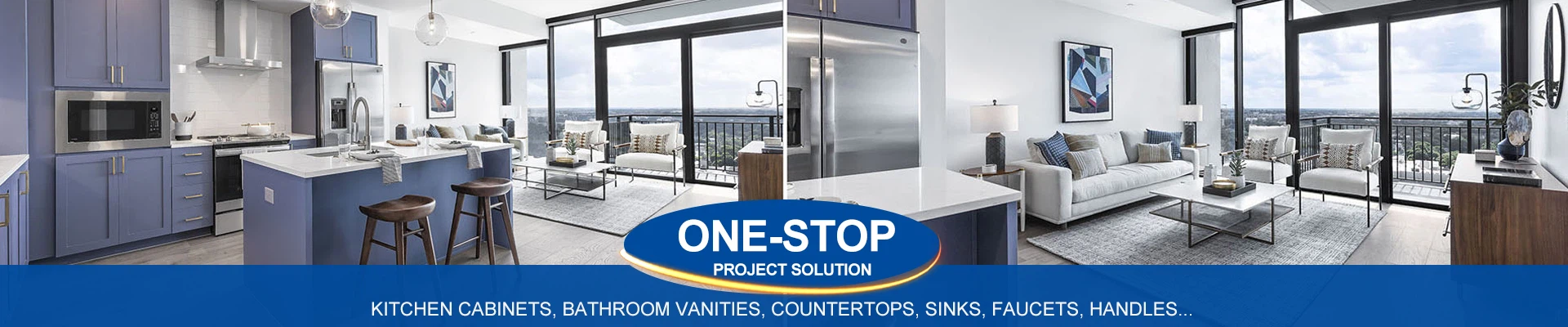
kitchen cabinets prices online
May 19, 2025
Leave a message
Kitchen Cabinet Prices Online (2023–2024): A Shopper's Guide

Buying kitchen cabinets online can save time and money, but prices vary widely depending on the retailer, cabinet type, and material. Here's a breakdown of online price ranges, best retailers, and tips to score deals:
1. Where to Buy Cabinets Online
| Retailer | Price Range (10x10 Kitchen) | Key Features |
|---|---|---|
| IKEA | 2,000–2,000–2,000–5,000 | Modular SEKTION system, DIY-friendly. |
| Home Depot | 3,000–3,000–3,000–8,000 | Hampton Bay stock cabinets, free design tools. |
| Wayfair | 1,500–1,500–1,500–6,000 | RTA cabinets with free shipping. |
| Cabinets.com | 4,000–4,000–4,000–12,000 | Semi-custom options, plywood construction. |
| Lowe's | 3,500–3,500–3,500–9,000 | Stylewell and DiamondNOW stock/semi-custom. |
| RTA Store | 1,800–1,800–1,800–4,500 | Budget-friendly RTA shaker-style cabinets. |
| Barker Cabinets | 5,000–5,000–5,000–15,000 | Semi-custom solid wood, made in the USA. |
2. Online Price Breakdown
| Cabinet Type | Price Per Linear Foot | 10x10 Kitchen Total | Best For |
|---|---|---|---|
| RTA (Ready-to-Assemble) | 60–60–60–150 | 1,500–1,500–1,500–4,500 | DIYers, budget-friendly updates. |
| Stock Cabinets | 80–80–80–300 | 3,000–3,000–3,000–8,000 | Quick delivery, standard sizes. |
| Semi-Custom | 200–200–200–500 | 8,000–8,000–8,000–15,000 | Balance of quality and price. |
| Custom | 500–500–500–1,200+ | 15,000–15,000–15,000–30,000+ | Luxury kitchens, unique layouts. |
3. Factors Affecting Online Prices
Material:
Laminate/MDF: 1,500–1,500–1,500–4,000 (most affordable).
Plywood with Veneer: 3,000–3,000–3,000–8,000 (durable).
Solid Wood: 5,000–5,000–5,000–15,000 (premium).
Finish:
Painted/Stained: Included.
High-Gloss/Glazed: +1,000–1,000–1,000–3,000.
Hardware:
Basic knobs: Included.
Soft-close hinges: +200–200–200–800.
4. Hidden Costs to Watch For
Shipping: Free shipping is rare for large orders (budget +200–200–200–800).
Returns: Restocking fees (10–30%) if cabinets don't fit.
Assembly: Some RTA cabinets require professional help (+1,000–1,000–1,000–3,000).
5. Best Online Deals
Wayfair: Frequent sales (up to 30% off) on RTA cabinets.
IKEA: Seasonal kitchen events (15–20% off SEKTION systems).
Home Depot/Lowe's: Bundle discounts on cabinets + countertops.
Cabinets.com: Price-match guarantees and free samples.
6. Pros vs. Cons of Buying Online
| Pros | Cons |
|---|---|
| ✅ Wider selection of styles/materials. | ❌ Can't inspect quality in person. |
| ✅ Competitive pricing (no showroom markup). | ❌ Returns can be costly/complicated. |
| ✅ Convenient design tools and 3D previews. | ❌ DIY assembly may frustrate beginners. |
7. Tips for Buying Cabinets Online
Order Samples: Test finish colors and material quality (10–10–10–50 per sample).
Use Virtual Tools: Home Depot's "Kitchen Visualizer" or IKEA's "Kitchen Planner."
Check Reviews: Look for feedback on durability and customer service.
Measure Twice: Ensure cabinet dimensions fit your space (mistakes are expensive!).
Top Budget Picks
IKEA SEKTION + VOXTORP Doors: 2,500–2,500–2,500–4,000 (modern, modular).
Wayfair Zinus Shaker RTA: 1,800–1,800–1,800–3,500 (easy assembly).
Home Depot Hampton Bay: 3,000–3,000–3,000–5,000 (pre-assembled, soft-close hardware).
Final Recommendation:
For budget-conscious shoppers, RTA cabinets from Wayfair or IKEA offer the best value (1,500–1,500–1,500–4,500). If you want higher quality, semi-custom plywood cabinets (8,000–8,000–8,000–12,000) strike a balance. Always order samples and confirm return policies before purchasing!
how much to replace cabinets in kitchen

The cost to replace kitchen cabinets is one of the largest variables in home improvement, with a very wide range. The final price depends heavily on the cabinet quality, kitchen size, and labor costs in your area.
Here is a detailed breakdown to help you understand the costs and budget effectively.
Quick Answer: National Average Cost Ranges
For a standard 10'x10' kitchen (a common benchmark), here's what you can expect:
| Cabinet Quality | Price Range (10'x10' Kitchen) | Price Per Linear Foot | Description |
|---|---|---|---|
| Stock Cabinets | 2,000−8,000 | 100−300 | Pre-made, limited sizes/styles. Found at big-box stores. |
| Semi-Custom Cabinets | 8,000−20,000 | 300−650 | The most popular choice. Made to order with more options. |
| Custom Cabinets | 20,000−50,000+ | 650−1,500+ | Built from scratch for your space. Highest quality and flexibility. |
Important Note: These ranges typically include installation but often exclude countertops, appliances, and flooring.
Detailed Cost Breakdown
1. Cabinet Quality (The Biggest Factor)
Stock Cabinets: Mass-produced in standard sizes. You may need filler strips to fit your space. Brands include IKEA, Home Depot's Hampton Bay, and Lowe's KraftMaid Studio.
Semi-Custom Cabinets: The best value for most homeowners. You choose from a catalog of styles, woods, and finishes, and the company builds them to your exact dimensions. Offers better durability and storage solutions.
Custom Cabinets: Built by a local craftsman or high-end company. Unlimited design options, unique materials, and the highest quality construction. This is a luxury investment.
2. Materials & Construction
The material affects both price and durability.
Particleboard/MDF with Thermofoil: Least expensive (100−200/ln ft). Often used in budget stock cabinets.
Plywood Boxes with Wood Veneer: Mid-range (200−500/ln ft). More durable and moisture-resistant. Common in semi-custom lines.
Solid Wood: Most expensive ($500+/ln ft). Premium look and feel, but can be prone to expansion/contraction.
3. Labor & Installation
Installation typically adds 2,000to8,000 to the total cost, depending on the project's complexity.
Factors: Demolition/disposal of old cabinets, leveling floors/walls, plumbing/electrical adjustments.
4. Additional Costs (The "Hidden" Expenses)
New Countertops: 2,000−6,000+ (for quartz, granite, etc.)
New Hardware (Knobs/Pulls): 200−800
New Sink & Faucet: 400−2,000+
Appliances: 2,000−10,000+
Flooring: 1,500−4,500
Lighting: 500−3,000
Permits: 100−500 (if required by your locality)
Cost by Kitchen Size
A more accurate estimate comes from the total linear feet of cabinets.
| Kitchen Size | Total Linear Feet | Stock Cabinet Cost | Semi-Custom Cost |
|---|---|---|---|
| Small (10x10) | 20-25 lin ft | 4,000−7,500 | 8,000−16,000 |
| Medium (12x12) | 30-35 lin ft | 6,000−10,500 | 12,000−23,000 |
| Large (15x15) | 40-45 lin ft | 8,000−13,500 | 16,000−30,000 |
Ways to Save Money on New Cabinets
Reface Instead of Replace: If your cabinet boxes are structurally sound, replacing just the doors and drawer fronts costs 4,000−10,000 and can achieve a similar visual transformation.
Paint Your Existing Cabinets: A professional paint job costs 3,000−7,000 and can make old cabinets look new.
Choose Stock or RTA Cabinets: Ready-to-Assemble (RTA) cabinets from IKEA or online retailers offer significant savings if you can handle the assembly and installation yourself.
Keep the Layout: The single biggest cost driver is changing the plumbing and electrical layout. Keeping appliances and the sink in the same place saves thousands.
Conclusion & Final Recommendation
For a meaningful kitchen transformation with new cabinets, plan for the following total project budgets:
Budget-Friendly Makeover: 10,000−15,000 (Stock cabinets, DIY-friendly options)
Mid-Range Remodel: 20,000−40,000 (Semi-custom cabinets, new mid-range countertops)
High-End/Luxury Remodel: 50,000−100,000+ (Custom cabinets, high-end appliances and finishes)
The best approach is to get 3-4 detailed, in-person quotes from local kitchen designers or contractors. They can measure your space, account for local labor rates, and provide a quote that includes cabinets, countertops, and installation for the most accurate picture.
Final Tip: When comparing quotes, ensure you are comparing the same level of cabinet quality (e.g., plywood vs. particleboard construction, dovetail drawer joints, soft-close hinges). The cheapest quote may use inferior materials that won't last.
plywood vs. particleboard construction

This is a fundamental question when choosing kitchen cabinets, as the box construction material significantly impacts durability, longevity, and value. Here's a detailed, unbiased comparison.
At-a-Glance: Quick Comparison
| Feature | Plywood | Particleboard |
|---|---|---|
| Composition | Thin layers of wood veneer glued together. | Wood chips, sawdust, and resin pressed together. |
| Strength & Durability | High. Stronger, more rigid, resists sagging. | Low. Softer, can sag under heavy weight, prone to chipping. |
| Moisture Resistance | Good. Will swell if wet, but can often dry out and recover. | Poor. Acts like a sponge; swells and disintegrates when wet. |
| Screw-Holding Ability | Excellent. Holds screws tightly, even near edges. | Poor. Can strip easily; requires special hardware. |
| Weight | Lighter than particleboard of the same thickness. | Heavier. |
| Cost | More expensive. | Less expensive. |
| Eco-Friendliness | Uses more of the tree, but requires adhesives. | Uses waste wood, but requires significant resins. |
| Typical Use | Higher-end cabinetry, furniture, construction. | Budget-friendly furniture, ready-to-assemble (RTA) items. |
Plywood: The Premium Choice
How it's made: Layers of wood veneer (called "plies") are glued together with the grain of each layer perpendicular to the one below it. This cross-graining creates exceptional strength and stability.
Pros:
Superior Strength: Can support heavy countertops (like stone) and won't sag over time.
Excellent for Hardware: Hinges and drawer slides screw in securely and stay tight for years.
Moisture Resistant: While not waterproof, it handles humidity and minor spills much better. It can often be salvaged after a leak if dried quickly.
Long-Lasting: The primary reason plywood cabinets can last for decades.
Cons:
Higher Cost: The manufacturing process makes it more expensive.
Visual Grain: The edge (the "ply") has a layered look that is typically hidden by veneer, laminate, or edge banding.
Best for: Homeowners who want cabinets that will last 20+ years, are in a humid climate (like near a dishwasher or sink), or are supporting heavy materials.
Particleboard: The Budget-Friendly Option
How it's made: Wood particles (chips, shavings, sawdust) are mixed with a synthetic resin or binder and pressed under heat into a dense sheet.
Pros:
Cost-Effective: It is the most significant driver of lower cabinet prices.
Smooth, Uniform Surface: It has no grain, making it an ideal base for laminates, veneers, and painted finishes. It's very consistent.
Eco-Friendly Aspect: It utilizes wood waste that might otherwise be discarded.
Cons:
Poor Moisture Resistance: This is its biggest weakness. A plumbing leak can ruin particleboard cabinets beyond repair, causing them to swell and crumble.
Weak Screw-Holding: Screws can strip out over time, especially with the repeated stress of opening and closing doors and drawers.
Prone to Sagging: Long shelves (over 36 inches) can sag under the weight of dishes without proper reinforcement.
Best for: Budget-conscious projects, low-moisture areas (like a dry bathroom or office), or for homeowners who plan to update their kitchen again in 5-10 years.
Key Considerations & The Hybrid Approach
It's Not All-or-Nothing: Many cabinet manufacturers use a hybrid approach to balance cost and quality. A common and good-quality configuration is:
Cabinet Box: Plywood.
Shelves: Plywood (to prevent sagging).
Drawer Boxes: Plywood or solid wood.
Door/Drawer Fronts: Can be solid wood, MDF (for a smooth paint finish), or particleboard with a veneer.
MDF is a Middle Ground: Medium-Density Fiberboard is often confused with particleboard but is different. It's made from broken-down wood fibers (not chips) and is denser, stronger, and smoother than particleboard. It's an excellent choice for painted cabinet doors but still shares particleboard's vulnerability to water.
How to Identify What You're Buying
Ask the Manufacturer/Salesperson Directly: "What is the cabinet box construction material?"
Look at the Edge: In an unfinished cabinet or on a cutout for plumbing, you can see the material. Plywood has visible layers; particleboard looks like compressed chips.
Check the Weight: Plywood boxes are noticeably lighter than particleboard boxes of the same size.
Review the Warranty: Higher-end lines with plywood construction often have longer warranties.
Conclusion & Final Recommendation
For kitchen cabinets, which are a significant investment and subject to moisture, heat, and heavy use, plywood is the superior and recommended choice.
Choose Plywood if:
You are investing in a long-term kitchen.
Durability and the ability to withstand minor moisture are priorities.
You want the highest quality construction.
Particleboard can be acceptable if:
You are on a very tight budget.
The cabinets are well-constructed with protective laminates and reinforced shelves.
You understand the risks and will be vigilant about leaks.
The bottom line: While you will pay more upfront for plywood cabinets, they are a better long-term value due to their durability and resistance to common kitchen hazards. For most homeowners, the extra cost for plywood construction is a worthwhile investment.
Final Tip: When comparing quotes, always ask for the specification sheet. Don't just compare prices; compare the materials used for the boxes, shelves, and drawers. A slightly more expensive quote that uses plywood is almost always a better value than a cheaper one that uses particleboard.