

Bathroom Sinks UK
Sep 03, 2025
Leave a message
bathroom sinks UK
Here is a comprehensive overview of key information about bathroom sinks in the UK, covering types, sizes, costs, trends, and purchasing considerations.
1. Types of Bathroom Sinks
Bathroom sinks in the UK come in various styles to suit different needs and aesthetics:
Pedestal Sinks: A classic choice that conceals plumbing with a central column. Ideal for smaller bathrooms but offers limited storage.
Wall-Mounted Sinks: These "floating" sinks save space and create a modern, minimalist look, perfect for compact bathrooms.
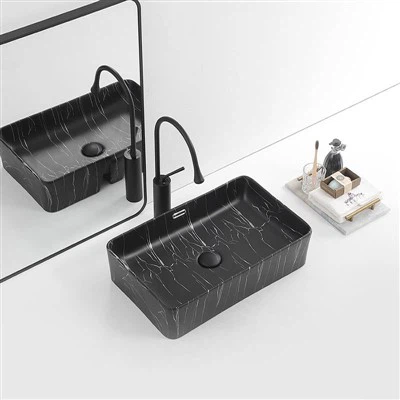
Countertop Basins: These sit on top of a vanity or counter. This category includes vessel sinks, which are prominent and act as a design focal point, and undermount sinks, which are installed beneath the counter for a seamless look.
Integrated Sink Units: The sink and vanity/countertop are a single, seamless piece. This design is space-efficient and maintains a clean, modern aesthetic.
2. Standard Sizes and Dimensions
Understanding standard sizes is crucial for a proper fit and comfortable use.
Typical Depth: Standard under-counter or inset basins usually have a depth between 10 to 15 cm (approximately 4 to 6 inches). This balances splash prevention with user comfort, avoiding the need to lean over too far.
Width and Length: Dimensions vary by shape:
Round/Oval Sinks: Often have a diameter of 16 to 20 inches.
Rectangular Sinks: Typically measure 19 to 24 inches wide and 16 to 23 inches front to back.
Vanity Unit Sizes: For double sink vanities, standard widths range from 1200mm to 1800mm (48"–72"), allowing 600mm–900mm per sink. Standard counter height is 850mm–900mm.
3. Cost Guide for Replacement and Installation
The cost to replace a bathroom sink in the UK varies significantly based on the sink type, material, and complexity of installation.
Sink Material Costs: The choice of material greatly influences the price:
Stainless Steel: £50–£200
Ceramic: £80–£300 (can be heavier, potentially increasing labour costs)
Composite Quartz/Granite: £150–£400 (durable but often requires professional installation)
Resin/Acrylic: £60–£150 (lightweight but less durable)
Marble/Stone: £300–£1,000+ (high-end and luxurious)
Labour Costs: Professional installation typically adds **£80 to £150+** for a bathroom sink, depending on the job's complexity.
Additional Costs: Be prepared for potential extra expenses:
Tap Replacement: £25–£300+ for the taps, plus £40–£100 labour.
Pipework Adjustments: £50–£300 if the new sink requires plumbing reroutes.
Old Sink Removal & Disposal: Often costs £20–£80.
4. Design Trends for 2025
Bathroom sink trends in 2025 focus on blending style with functionality and personal expression:
Sustainable Materials: There's a growing preference for sinks made from reclaimed wood, recycled glass, and natural stone.
Minimalist & Wall-Mounted Designs: Clean lines and "floating" wall-mounted basins remain popular for their space-saving and sleek appearance.
Statement Pieces: Pedestal sinks are making a comeback with modern twists, and bold, colorful basins (e.g., deep blues, greens) are used to create a focal point.
Organic Shapes: Rounded, soft shapes are favored over sharp rectangles, contributing to a spa-like, calming atmosphere.
Integrated Technology: Smart basins with features like touchless taps, temperature sensors, and LED lighting are rising in popularity.
Metallic Finishes: Finishes like brushed gold, copper, and nickel are used to add a touch of luxury and glamour.
5. Where to Buy and Key Considerations
Several retailers in the UK offer a wide range of bathroom sinks:
High-Street & DIY Stores: B&Q, Wickes, and VictoriaPlum offer various styles from budget to mid-range.
Department Stores & Luxury Retailers: John Lewis and Bathroom City provide higher-end, designer options.
Online Marketplaces: DHgate UK offers a vast selection of styles, including modern and classic designs, often at competitive prices.
Purchasing Tips:
Measure Carefully: Ensure the sink fits your space and that the vanity depth (often 17-24 inches) is comfortable to use.
Consider Plumbing: Check if the new sink's waste outlet aligns with your existing plumbing to avoid costly adjustments.
Factor in Full Cost: Remember to budget for taps, installation, and any additional plumbing work, not just the sink itself.
Think About Style and Storage: Choose a style that matches your bathroom's aesthetic. If storage is a priority, an integrated vanity unit might be better than a wall-mounted or pedestal sink.
Conclusion
Choosing a bathroom sink in the UK involves balancing aesthetics, functionality, size, and budget. From the timeless appeal of a pedestal sink to the modern flair of a wall-mounted basin, there's an option for every home. Staying informed on trends like sustainable materials and smart technology can help you make a choice you'll be happy with for years to come. Always take accurate measurements and consider all associated costs before making your final decision.
how much to replace a bathroom sink uK

Replacing a bathroom sink in the UK involves various costs depending on the sink type, material, and installation complexity. Here's a detailed breakdown to help you budget effectively.
1. Sink Material Costs
The material significantly impacts the overall cost, with options ranging from budget-friendly to high-end:
Stainless Steel: £50–£200. Durable and rust-resistant but prone to scratches .
Ceramic: £80–£300. Classic and scratch-proof but heavy and may chip easily .
Composite Quartz/Granite: £150–£400. Stylish, heat-proof, and scratch-resistant but requires professional installation due to weight .
Resin/Acrylic: £60–£150. Lightweight and affordable but less durable and may discolor over time .
Marble/Stone: £300–£1,000+. Luxurious and aesthetically pleasing but porous, heavy, and requires high maintenance .
2. Labour Costs
Professional installation ensures proper fitting and includes:
Standard Replacement: £80–£150 for straightforward jobs, typically taking 1-2 hours .
Complex Installations: £200–£350 if plumbing adjustments or custom work are needed .
Hourly Rates: Plumbers charge £40–£70 per hour in the UK .
3. Additional Costs
Several factors can increase the total expense:
Tap Replacement: Basic taps cost £25–£50, while high-end designs range from £150–£300+. Labour adds £40–£100 .
Pipework Adjustments: Minor repositioning costs £50–£100; major reroutes (e.g., waste line changes) add £150–£300 .
Cabinet/Worktop Modifications: Cutting laminate worktops costs £30–£70; stone worktop alterations range from £150–£300+ .
Old Sink Removal & Disposal: £20–£50 for removal, plus £30–£80 for disposal .
Waste Fitting Kits: £10–£30 for parts, with labour costing £40–£100 .
4. Regional Variations
Costs differ across the UK:
London/Southeast: Prices are 10–20% higher due to increased labour and living costs .
North England/Midlands: Rates are 10–15% lower than the national average .
Scotland/Wales: Costs vary between urban and rural areas but generally align with the UK average .
5. DIY vs. Professional Installation
DIY Approach: May save labour costs but requires tools (£30–£100) and carries risks of leaks or improper installation if not experienced .
Professional Services: Ensure correct sealing, plumbing, and disposal, with warranties for peace of mind. Recommended for complex setups or heavy materials like stone .
6. Budget-Saving Tips
Choose Standard Sizes: Avoid custom or oversized sinks to reduce material and modification costs .
Combine Projects: Bundle multiple plumbing jobs to save on labour .
Compare Quotes: Obtain 3–5 quotes from local plumbers for competitive pricing .
Shop for Deals: Look for discounts at bathroom showrooms or online retailers .
7. When to Replace
Consider replacement if your sink has:
Cracks/Leaks: Can lead to water damage and mould .
Stains/Rust: Indicates deterioration that affects hygiene and appearance .
Outdated Design: May reduce property value or functionality .
For accurate pricing, consult local professionals based on your specific needs and bathroom layout.
bathroom cabinet height above sink uK
The standard height for bathroom cabinets above a sink in the UK typically ranges from 450mm to 500mm (17.7 to 19.7 inches) from the countertop to the bottom of the wall cabinet. This measurement ensures ergonomic comfort and functional clearance for most users. Here's a detailed breakdown of key considerations:
1. Standard Height Range
UK Norm: Wall cabinets (upper cabinets) are typically installed with their bottom edge 450mm to 500mm above the countertop. This provides adequate space for tasks like handwashing and using the sink without obstruction.
Overall Height from Floor: Since standard bathroom countertops are usually installed at 800mm to 850mm (31.5 to 33.5 inches) from the floor, the bottom of the wall cabinet would typically be around 1250mm to 1350mm (49 to 53 inches) from the floor.
2. Factors Influencing Height
User Height and Ergonomics: For taller users, increasing the gap to 500mm–550mm may enhance comfort, while shorter individuals might prefer closer to 450mm.
Sink and Faucet Design: Deep basins or tall faucets might require a larger gap (e.g., 500mm–550mm) to avoid splashing and allow easy cleaning.
Mirror Integration: If the cabinet includes a mirror, ensure it aligns with eye level (typically 140cm–150cm from the floor for average heights) for practical use.
3. Additional Guidelines
Depth and Width: Standard wall cabinets are 300mm deep and come in widths ranging from 300mm to 1000mm (in 50mm increments). Ensure the cabinet width complements the sink basin width for visual balance.
Lighting Placement: If incorporating vanity lights, position them 12–20 inches above the mirror (or aligned with the cabinet) to avoid shadows.
4. Practical Tips
Measure Before Installation: Account for countertop thickness (typically 30mm–40mm) and any backsplash height.
Accessibility: For wheelchair users or accessibility needs, lower the cabinet height or opt for open shelving.
Aesthetic Balance: Center the cabinet over the sink and vanity for symmetry, especially in smaller bathrooms.
5. Exceptions and Customization
Non-Standard Ceilings: In rooms with low ceilings, reduce the gap to 400mm to maintain proportionality.
Children's Bathrooms: Lower cabinets to 400mm–450mm above the counter for easier access.
For precise planning, consult UK building guidelines or a professional installer to adapt these standards to your specific bathroom layout and needs.