

Kitchen Cabinet Painting Ideas
Sep 12, 2025
Leave a message
kitchen cabinet painting ideas

Here are some inspiring and practical kitchen cabinet painting ideas to transform your space, along with key considerations for a successful project:
1. Nature-Inspired Greens & Blues
Sage Green: Creates a calming, earthy vibe and pairs beautifully with brass hardware and natural materials like wood or marble. It's versatile for modern farmhouse or Scandinavian styles.
Forest Green: Offers depth and sophistication, ideal for creating a luxurious, organic feel. Works well as an accent on islands or lower cabinets.
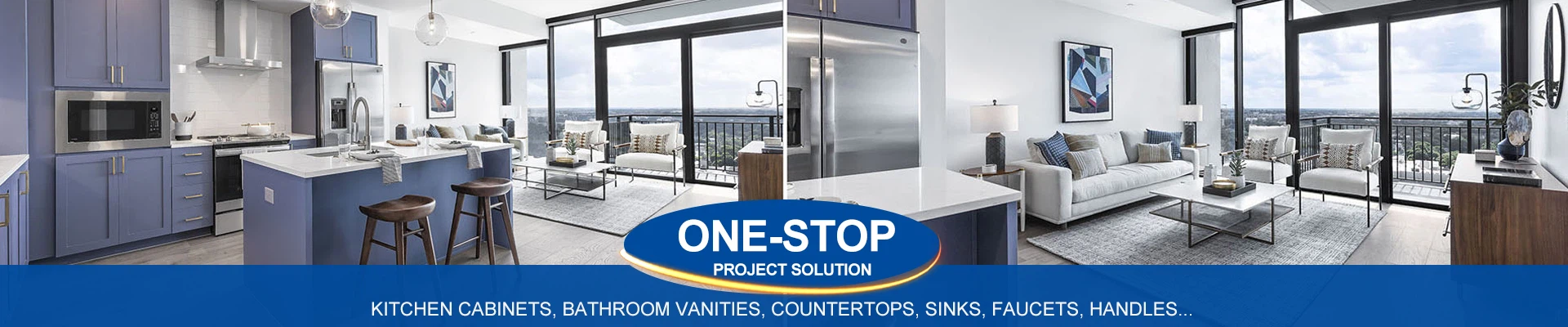
Navy Blue: A timeless choice that adds drama and elegance. Pairs excellently with white countertops and gold or brass hardware for a classic yet bold look.
Powder Blue: Evokes a serene, coastal atmosphere. Perfect for cottage-style kitchens or small spaces needing an airy feel.
2. Bold & Dramatic Statements
Matte Black: Delivers a modern, high-contrast look. Pair with light countertops and metallic hardware (e.g., gold or brass) to avoid a cramped feel. Ideal for well-lit kitchens.
Charcoal Gray: A versatile dark neutral that adds urban sophistication. Complements stainless steel appliances and marble surfaces.
Etruscan Red or Burgundy: Rich, warm tones that create a luxurious focal point, especially on islands or lower cabinets.
3. Warm Neutrals & Earthy Tones
Warm Whites/Creams: Soft alternatives to stark white, offering warmth and versatility. Shades like Benjamin Moore's "White Dove" or "Swiss Coffee" brighten spaces without feeling clinical.
Greige & Taupe: Blends of gray and beige that provide a sophisticated, adaptable backdrop. Perfect for transitional or contemporary kitchens.
Terracotta: Earthy red-orange tones that bring Mediterranean warmth and rustic charm. Pairs well with natural wood and cream countertops.
4. Two-Tone & Contrast Designs
Dark Lowers + Light Uppers: Combine navy lowers with white uppers for elegance, or charcoal lowers with cream uppers for modern contrast. This approach adds visual interest and balances boldness with brightness.
Accent Islands: Paint the island a bold color (e.g., emerald green, navy) while keeping perimeter cabinets neutral. This creates a striking focal point without overwhelming the space.
Mixed Materials: Pair painted cabinets with natural wood finishes (e.g., white uppers with oak lowers) for texture and warmth.
5. Creative Finishes & Techniques
Distressed/Antiqued Finish: Use sanding or glazing to create a worn, rustic look. Ideal for farmhouse or vintage styles.
High-Gloss Lacquer: Provides a sleek, reflective finish that adds luxury. Best for contemporary kitchens but requires careful application to avoid streaks.
Metallic Accents: Incorporate gold, brass, or copper hardware or paint details for glamour. Use sparingly to avoid overwhelming the space.
Chalkboard Paint: Functional and playful, allowing for notes or drawings on cabinet surfaces. Great for families or creative kitchens.
6. Practical Tips for Success
Preparation is Key: Clean, sand, and prime surfaces thoroughly. Laminate cabinets require deglossing and bonding primers for adhesion.
Paint Selection: Use high-quality acrylic enamel or alkyd-based paints designed for cabinets. Self-leveling paints ensure a smooth finish.
Application: Apply thin, even coats with brushes (for edges) and rollers (for flat surfaces). Allow ample drying time between coats.
Durability: Finish with a protective topcoat to resist moisture and wear. Semi-gloss or satin finishes are easy to clean and maintain.
7. Pros and Cons of Painted Cabinets
| Pros | Cons |
|---|---|
| Cost-effective vs. replacement | Requires significant prep work |
| Endless color customization | Paint may chip/peel without proper prep |
| Quick transformation (2–3 days) | DIY results may lack professional finish |
| Eco-friendly (upcycles existing cabinets) | Not as durable as factory finishes |
Conclusion
Painting your kitchen cabinets offers a budget-friendly way to dramatically update your space. Whether you choose nature-inspired greens for calm, bold blacks for drama, or warm neutrals for versatility, prioritize proper preparation and quality materials for long-lasting results. For complex techniques like two-tone designs or high-gloss finishes, consider consulting professionals to ensure a flawless outcome. Test colors in your kitchen's lighting before committing, and don't shy away from personalizing with hardware or accents to reflect your style.
cabinet ideas for kitchen

Here are some stylish and practical kitchen cabinet ideas to transform your space, blending aesthetics, functionality, and the latest trends for 2025:
1. Popular Cabinet Styles
Shaker Cabinets: Timeless and versatile with a five-panel door design. They suit traditional, modern farmhouse, or minimalist kitchens, often in classic white, navy, or gray.
Flat-Panel/Slab Cabinets: Sleek, handleless doors with minimalist aesthetics, ideal for contemporary or industrial styles. Choose high-gloss or matte finishes for a modern look.
Glass-Front Cabinets: Perfect for displaying dishware or adding visual depth. Frosted glass offers privacy, while clear glass creates an open feel. Pair with interior lighting for elegance.
Open Shelving: Replaces upper cabinets to create an airy, accessible space for frequently used items. Combines well with closed cabinets for balance.
2. Color & Finish Trends
Two-Tone Designs: Pair dark lower cabinets (e.g., navy, charcoal) with light uppers (e.g., white, cream) for dynamic contrast. This adds visual interest and modern flair.
Bold Hues: Deep greens (sage, forest), blues (navy, powder), or terracotta inject personality. Balance bold cabinets with neutral countertops and walls.
Neutrals & Earth Tones: Warm whites, greige, and natural wood finishes (e.g., oak, walnut) offer timeless appeal and flexibility.
Matte & High-Gloss Finishes: Matte surfaces hide fingerprints and add sophistication, while high-gloss reflects light, making small kitchens appear larger.
3. Smart Storage Solutions
Pull-Out Drawers & Organizers: Maximize base cabinet efficiency with dividers for pots, spices, or utensils. Deep drawers with peg systems keep items accessible.
Corner Solutions: Use Lazy Susans or swing-out shelves to utilize awkward corner spaces.
Vertical Dividers: Store baking sheets, trays, and cutting boards upright to save space.
Appliance Garages: Conceal small appliances (e.g., toasters) behind roll-up doors to maintain clean countertops.
4. Functional & Design Innovations
Sustainable Materials: Reclaimed wood, bamboo, or low-VOC finishes align with eco-friendly trends. These materials add warmth and texture.
Integrated Lighting: LED strips under cabinets or inside glass-front units enhance functionality and ambiance.
Mixed Materials: Combine wood with metal accents (e.g., brass hardware) or textured finishes (e.g., fluted doors) for depth.
Custom Hardware: Choose sleek metallic pulls (e.g., brass, black matte) or hidden handles for a tailored look.
5. Practical Considerations
Space Optimization: For small kitchens, use tall, floor-to-ceiling cabinets or open shelving to maximize vertical space.
Durability & Maintenance: Select easy-clean finishes (e.g., semi-gloss) and durable materials like quartz or hardwood for longevity.
Cohesive Design: Match cabinets with backsplashes, countertops, and flooring for a harmonious look. For example, pair white cabinets with marble tops for classic elegance.
Conclusion
Kitchen cabinets are central to both style and function. Whether you prefer Shaker classics for timeless appeal, sleek flat-panels for modernity, or bold two-tone designs for drama, prioritize solutions that enhance storage and reflect your lifestyle.
good colors for kitchen cabinets

Here are some excellent and stylish color choices for kitchen cabinets in 2025, designed to create a beautiful, functional, and personalized space:
1. Timeless & Versatile Neutrals
Creamy Whites (e.g., Almond White, Warm White): Perfect for small kitchens as they brighten spaces and create an airy feel. They offer a soft, inviting alternative to stark white and pair well with various countertops and backsplashes. Matte or satin finishes help hide fingerprints and smudges.
Greige & Light Grays: These sophisticated blends of gray and beige (e.g., Agreeable Gray) provide a modern, adaptable neutral. They work seamlessly in transitional or contemporary styles and complement both warm and cool accents.
Warm Beige & Taupe: Neutral yet rich tones that add warmth without overwhelming the space. Ideal for creating a calm, cohesive look, especially in kitchens with natural wood elements.
2. Nature-Inspired Greens & Blues
Sage Green: A muted, earthy green that evokes tranquility and pairs beautifully with brass hardware and natural materials like wood or marble. It's versatile for modern farmhouse or Scandinavian designs.
Olive Green & Forest Green: Olive green offers rustic warmth, while forest green adds depth and drama. These hues are excellent for creating a luxurious, organic feel, especially on islands or lower cabinets.
Navy Blue: A timeless, sophisticated choice that adds boldness without being overpowering. It pairs elegantly with white countertops and gold or brass hardware for a classic yet striking look.
Powder Blue & Sky Blue: Lighter blues bring a serene, coastal vibe to kitchens. They work well in cottage-style or vintage-inspired spaces, creating an airy and refreshing atmosphere.
3. Bold & Dramatic Statements
Matte Black: Delivers a high-contrast, modern look. It pairs stunningly with light countertops and metallic hardware (e.g., gold or brass) but is best suited for well-lit kitchens to avoid a cramped feel.
Charcoal Gray: A versatile dark neutral that offers depth and urban sophistication. It complements stainless steel appliances and marble surfaces beautifully.
Burgundy & Terracotta: Warm, rich tones like burgundy or terracotta inject Mediterranean warmth and rustic charm. They work particularly well as accent colors on islands or lower cabinets.
4. Soft Pastels & Unexpected Hues
Blush Pink & Dusty Rose: These soft pinks add a touch of whimsy and warmth, perfect for creating a cheerful, modern vibe in cottage or vintage-inspired kitchens.
Lavender & Mint Green: Pastel shades bring a fresh, calming energy. They are ideal for Scandinavian designs or spaces aiming for a light, playful ambiance.
Buttery Yellow: Sunny yellows inject energy and brightness, making them great for small kitchens or as accent colors to avoid overwhelming the space.
5. Natural Wood Tones
White Oak & Light Walnut: Light woods like white oak offer Scandinavian minimalism and warmth, while richer walnuts add depth. Natural wood finishes are prized for their sustainability and ability to blend with modern elements.
Reclaimed Wood: Eco-friendly and character-rich, reclaimed wood cabinets provide a rustic yet modern look. They work well in open shelving or two-tone designs for added texture.
6. Two-Tone & Contrast Designs
Dark Lowers + Light Uppers: Combining navy or charcoal lower cabinets with white uppers adds visual interest and balances boldness with brightness. This approach is both dynamic and elegant.
Accent Islands: Painting the island a bold color (e.g., emerald green, navy) while keeping perimeter cabinets neutral creates a striking focal point without overwhelming the space.
Mixed Materials: Pairing painted cabinets with natural wood finishes (e.g., white uppers with oak lowers) adds texture and warmth, bridging modern and organic styles.
7. Key Considerations for Choosing
Kitchen Size & Lighting: Light colors (e.g., creams, pastels) enhance small or dimly lit kitchens, while dark tones (navy, black) suit spacious, well-lit areas. Always test samples under your kitchen's natural and artificial light.
Hardware & Finish Pairing: Metallics like brass or gold complement warm tones and greens, while matte black hardware suits modern, contrasting looks. Finish matters too-matte hides fingerprints, while semi-gloss is easy to clean.
Cohesion with Existing Elements: Ensure your cabinet color complements countertops, flooring, and backsplashes. For example, navy cabinets pop against white marble, while warm woods pair well with earthy greens.
Personal Style & Longevity: While trends are fun, consider choosing a timeless color like white, gray, or natural wood if you prefer a look that won't feel dated. Use bold colors as accents for flexibility.
Conclusion
The best cabinet color for your kitchen balances personal style, practicality, and harmony with your space. Whether you're drawn to the calming nature of sage green, the sophisticated drama of matte black, the cozy warmth of terracotta, or the timeless flexibility of warm white, 2025 offers a palette for every taste. For a truly personalized kitchen, don't be afraid to mix tones (e.g., two-tone designs) or experiment with samples in your actual space before committing. Remember: "