

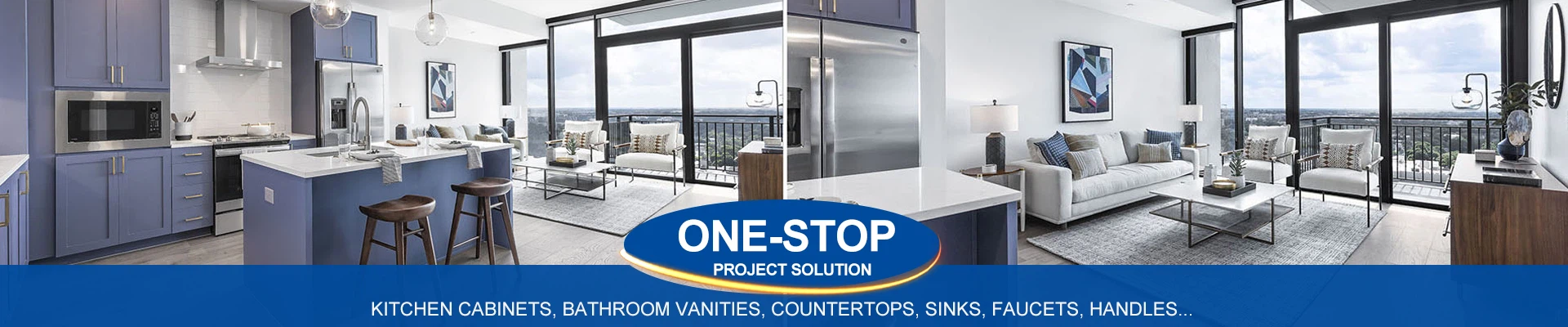
Kitchen Cabinet Trends 2025
Sep 08, 2025
Leave a message
kitchen cabinet trends 2025

The key kitchen cabinet trends for 2025, blending innovation, sustainability, and personalized design to transform your kitchen into a functional and stylish heart of the home:
1. Nature-Inspired Organic Shapes & Materials
Curved Cabinets and Soft Lines: Say goodbye to sharp edges. Soft, rounded edges and waterfall countertops create a more fluid, inviting space. This design often pairs with organic textures like wood grain or stone veining for a tactile, natural feel.
Sustainable Materials: Eco-conscious choices dominate. Reclaimed oak, bamboo, FSC-certified plywood, and recycled materials (e.g., eco-resins, composite quartz) are prized for their low environmental impact and durability. Low-VOC finishes and water-based stains ensure healthier indoor air quality.
Natural Wood Tones: Warm woods like white oak, walnut, and cherry make a strong comeback, offering warmth and organic beauty. Lighter tones (e.g., white oak) suit Scandinavian designs, while darker walnuts add luxury.
2. Bold Color Palettes & Two-Tone Designs
Moody and Earthy Hues: Deep, rich colors like navy blue, emerald green, forest green, charcoal gray, and terracotta are trending. These shades add drama and sophistication, often balanced with warm neutrals (e.g., greige, cream) to avoid overwhelming the space.
Two-Tone Combinations: Contrasting colors or materials create visual interest. Popular pairings include:
Sage green lower cabinets + white uppers
Walnut island + cream perimeter cabinets
Matte black lowers + natural wood uppers.
High-Gloss Finishes: Glossy lacquers in bold colors (e.g., navy, emerald) reflect light, adding a luxe, contemporary touch.
3. Minimalist & Handleless Designs
Sleek, Streamlined Look: Flat-panel or slab cabinet doors with push-to-open mechanisms or integrated finger pulls eliminate visual clutter, enhancing a modern, minimalist aesthetic. This style is easy to clean and aligns with Scandinavian and Japandi influences.
Hidden Appliances: Integrated appliances (e.g., fridges, dishwashers) concealed behind cabinetry panels create a seamless, unified look. Appliance garages and built-in charging stations keep countertops clutter-free.
4. Smart Technology Integration
Sensor-Activated Features: Cabinets with motion-sensor lighting (inside drawers/cabinets), automatic door openings, and touchless faucets enhance convenience and hygiene.
AI and IoT Connectivity: Smart cabinets can include:
AI inventory systems that track groceries and expiration dates.
App-controlled storage with motorized lift systems for upper cabinets.
Temperature-controlled compartments for specific storage needs.
Integrated Charging & Displays: USB ports, wireless charging pads, and transparent display screens on glass-front cabinets for recipe viewing.
5. Sustainable & Eco-Conscious Choices
Circular Design: Cabinets designed for disassembly and reuse, along with recycled materials (e.g., reclaimed wood, bamboo), reduce waste. Energy-efficient manufacturing processes are also prioritized.
Durable, Low-Maintenance Materials: Sintered stone (heat-/scratch-resistant) and stainless steel (water-resistant/recyclable) are popular for their longevity and ease of cleaning.
6. Innovative Storage Solutions
Maximized Space Efficiency: Pull-out pantries, vertical tray dividers, lazy Susans, and toe-kick drawers optimize storage in tight spaces. Corner pull-out systems effectively utilize previously wasted areas.
Hybrid Open/Closed Storage: Mixing open shelving (for displaying décor/essentials) with closed cabinets (concealing clutter) balances aesthetics and functionality.
Multifunctional Cabinets: Features like fold-out countertops, integrated compost bins, and pull-out cutting boards enhance versatility, especially in smaller kitchens.
7. Global Influences & Personalization
Japandi and Mediterranean Styles: Japandi blends minimalism with natural textures (light wood, clean lines), while Mediterranean designs feature arched details, terracotta cabinets, and hand-painted tiles for warmth.
Customization: Homeowners seek personalized layouts, unique finishes, and modular systems tailored to their needs. 3D printing technology enables bespoke designs and intricate door textures.
Conclusion
2025 kitchen cabinet trends emphasize a harmony of beauty, functionality, and sustainability. Key takeaways:
Prioritize eco-friendly materials and smart storage for long-term value.
Experiment with bold colors or two-tone designs for personality.
Embrace minimalist handles and integrated tech for a sleek, modern look.
Consider custom solutions to reflect your unique lifestyle.
kitchen cabinet painting color ideas

Here is a comprehensive guide to kitchen cabinet painting color ideas, blending timeless classics with 2025 trends to help you transform your space with style and confidence.
1. Timeless Neutrals: Elegance and Versatility
Neutral colors remain a top choice for their adaptability, ability to brighten spaces, and timeless appeal. They provide a perfect backdrop for various design styles and allow other elements to shine.
Classic White & Soft Creams: Shades like Sherwin Williams Pure White or Benjamin Moore White Dove offer a clean, bright look that makes kitchens feel larger and airier. Creamy off-whites (e.g., Alabaster or Swiss Coffee) add warmth without yellowness, ideal for traditional or farmhouse kitchens. They pair beautifully with marble countertops, brass hardware, and wood accents.
Warm Greiges and Taupes: Colors like Sherwin Williams Repose Gray or Benjamin Moore Revere Pewter blend gray and beige for a sophisticated, cozy neutral. These work well with both cool and warm tones, offering flexibility for countertops and backsplashes.
Soft Grays: From light Dove Gray to medium Charcoal, gray cabinets provide a modern, calm backdrop. They excel in contemporary kitchens alongside stainless steel appliances, quartz countertops, and matte black hardware.
2. Nature-Inspired Hues: Calm and Organic
Earthy greens and blues dominate 2025 trends, bringing tranquility and a connection to nature into the kitchen.
Sage and Olive Greens: Sage green (e.g., Sherwin Williams Pewter Green) offers a muted, refreshing vibe, while olive green adds depth and warmth. These colors pair elegantly with white quartz countertops, brass fixtures, and natural wood elements, perfect for creating a serene, organic feel.
Forest and Emerald Greens: For a bold yet sophisticated look, deep greens like Benjamin Moore Char Brown or Emerald Green create a dramatic, luxurious atmosphere. They work best in well-lit spaces or as accent colors on islands or lower cabinets.
Navy and Powder Blues: Navy blue (e.g., Sherwin Williams Naval) adds richness and pairs brilliantly with gold hardware and white countertops. Softer powder blues evoke a calm, coastal vibe, ideal for creating an airy, light-filled space.
3. Bold and Dramatic Statements
For those seeking personality and depth, dark and bold colors make a striking impact.
Matte Black and Charcoal: Matte black cabinets (e.g., Sherwin Williams Tricorn Black) deliver modern drama and sophistication. They contrast beautifully with light backsplashes, white walls, and metallic hardware (e.g., brass or chrome). Use them on islands or lower cabinets to balance the intensity.
Deep Reds and Mustard Yellows: Deep red cabinets bring warmth and tradition to farmhouse kitchens, while mustard yellow adds a cheerful, retro touch. These colors work well with neutral backgrounds and natural wood accents.
Dusty Rose and Terracotta: For a unique twist, dusty rose offers a soft, sophisticated pop of color, and terracotta introduces Mediterranean warmth. Both pair wonderfully with cream countertops and rustic elements.
4. Two-Tone and Contrast Designs
Combining colors adds visual interest and allows for creative expression without overwhelming the space.
Classic Combinations: Pair white uppers with navy lowers for a balanced, coastal-inspired look. Alternatively, light gray uppers with deep green lowers create modern contrast. This approach helps define zones and adds depth.
Accent Islands and Bases: Use bold colors like emerald green or black on islands or base cabinets while keeping uppers neutral. This draws attention to key areas without dominating the room.
Mixed Materials: Integrate natural wood cabinets with painted units (e.g., wood uppers with painted green lowers) for texture and warmth. This works exceptionally well in rustic or Japandi styles.
5. Practical Tips for Choosing and Implementing Colors
Consider Lighting and Space: North-facing rooms with cool light suit warm colors (e.g., creams, taupes), while south-facing spaces handle cool tones (e.g., grays, blues) well. In small kitchens, light colors enhance openness; dark colors add coziness to larger areas.
Coordinate with Existing Elements: Match cabinet colors to countertops, backsplashes, and floors. For example, green cabinets pair well with marble or wood, while navy blues pop against white quartz.
Test Samples Thoroughly: Use peel-and-stick samples or paint foam boards to evaluate colors at different times of day. This prevents surprises and ensures the shade works in your specific environment.
Choose the Right Finish: Opt for satin or semi-gloss finishes for durability and easy cleaning. Matte finishes offer a modern look but may require more maintenance.
Conclusion
Whether you prefer the timeless elegance of neutrals, the calm of nature-inspired greens, the drama of bold hues, or the creativity of two-tone designs, the right cabinet color can redefine your kitchen. Remember to balance personal style with practical considerations like lighting and existing decor. For more inspiration, explore resources from brands like Benjamin Moore or Sherwin Williams, and consider consulting design experts for tailored advice.
How do I choose cabinet colors that complement my existing countertops and backsplash?

Choosing cabinet colors that harmonize with your existing countertops and backsplash is a key step in creating a cohesive and stylish kitchen. Here's a structured guide to help you make the perfect choice, drawing on design principles and practical considerations.
1. Analyze Your Existing Elements
Start by closely examining the colors, patterns, and undertones of your countertops and backsplash.
Identify Dominant and Accent Colors: Note the primary color of your countertop and any secondary colors in veining or patterns. For example, a white quartz countertop with gray veining might pair well with light gray or white cabinets, while one with gold flecks could complement warm-toned wood cabinets.
Determine Undertones: Identify if your surfaces have warm (yellow, red, gold) or cool (blue, green, gray) undertones. This helps ensure your cabinet color doesn't clash. For instance, cool gray countertops pair best with cabinets having similar cool undertones, while beige or cream countertops with warm undertones suit cabinets in warm shades.
Assess Pattern and Texture: If your countertop or backsplash is highly patterned (e.g., busy granite or intricate tile), consider simpler, solid-color cabinets to avoid visual competition. Conversely, a subtle countertop can handle bolder or more detailed cabinetry.
2. Select a Cohesive Color Scheme
Choose a color scheme that creates harmony between your cabinets, countertops, and backsplash.
Monochromatic Scheme: Use varying shades of the same color for a seamless, calming look. For example, pair white countertops and a beige backsplash with off-white or light gray cabinets.
Analogous Scheme: Combine colors next to each other on the color wheel (e.g., blue backsplash with green-gray cabinets) for a harmonious yet dynamic feel.
Complementary Scheme: For a bold contrast, choose cabinet colors opposite on the color wheel from your backsplash or countertop accents. A blue backsplash could pop with warm wood tones or soft orange-hued cabinets, though this requires careful balancing to avoid overwhelming the space.
3. Consider the Overall Style and Desired Atmosphere
Your kitchen's style and the mood you want to create should guide your cabinet color choice.
Modern/Contemporary: Sleek, neutral cabinets (e.g., crisp white, matte black, or cool gray) work well with quartz or solid-surface countertops and minimalist backsplashes.
Traditional/Rustic: Warm wood tones or classic colors like navy blue or forest green complement natural stone countertops and traditional tile backsplashes.
Transitional: Balanced tones like warm gray or beige cabinets can bridge traditional and modern elements, pairing well with various materials.
Desired Atmosphere: Light cabinets (white, light gray) can make a small kitchen feel open and airy, while dark cabinets (navy, charcoal) add drama and sophistication but are best in larger, well-lit spaces.
4. Practical Factors to Consider
Kitchen Size and Lighting:
Small or Poorly Lit Kitchens: Lighter cabinet colors (white, cream, light gray) help reflect light and create a sense of spaciousness.
Large or Well-Lit Kitchens: Can handle darker, richer cabinet colors (e.g., espresso, black, navy) without feeling cramped.
Cabinet Finish and Material: The finish (e.g., matte, gloss) affects color perception. Glossy finishes reflect light and can make colors appear brighter, while matte finishes provide a softer look. Ensure the cabinet material (e.g., painted wood, laminate) complements the textures of your countertops and backsplash.
Hardware and Accents: Cabinet hardware (e.g., handles, knobs) in finishes like brushed nickel, brass, or black can tie together the cabinet color with other elements like faucets and lighting fixtures.
5. Test and Visualize Before Deciding
Get Samples: Obtain physical samples of cabinet colors, and hold them against your countertops and backsplash in your kitchen's lighting at different times of day. Colors can look dramatically different under natural vs. artificial light.
Create a Mood Board: Digitally or physically collage samples of your countertop, backsplash, and potential cabinet colors to visualize the combination. Tools from hardware stores or online design platforms can help.
Consult Professionals: If unsure, seek advice from a kitchen designer or color consultant. They can provide insights based on experience and help you avoid costly mistakes.
Conclusion
Choosing cabinet colors for your existing countertops and backsplash involves analyzing colors and undertones, selecting a harmonious color scheme, aligning with your kitchen's style, and considering practical factors like size and lighting. Remember to test samples in your space and trust your instincts to create a kitchen you'll love. For more personalized options, explore resources from manufacturers or consult a design professional