

Kitchen Sinks South Africa
Sep 01, 2025
Leave a message
kitchen sinks south africa
The kitchen sink market in South Africa is a dynamic and evolving sector, reflecting the country's unique blend of cultural heritage, modern aspirations, and growing emphasis on sustainability and innovation. Here's a detailed overview based on the latest information:
1. Market Overview and Growth
The South African kitchen sinks market is experiencing steady growth, driven by urbanization, a rising middle class, and increased investment in home renovations and construction.
The market was valued at 98.2millionin2024∗∗andisprojectedtoreach∗∗113.0 million by 2030, growing at a CAGR of 2.4% from 2025 to 2030.
Another report anticipates even higher growth, at a CAGR of 4.74% from 2025 to 2030, highlighting the market's robust potential.
South Africa is a key player in the Middle East & Africa regional market, leading in terms of revenue and growth, fueled by its developed retail networks and demand for premium products.
2. Key Materials and Their Popularity
The market offers a diverse range of materials, catering to various aesthetic preferences and functional needs:
Stainless Steel: Dominates the market, prized for its durability, corrosion resistance, ease of cleaning, and modern look. It's a staple in both homes and commercial kitchens.
Granite/Composite Sinks: Gaining significant traction for their sleek, granite-like appearance, non-porous surface, and resistance to stains, scratches, and impacts. Brands like Franke Tectonite (a composite of carbon fiber, quartz, and acrylic resins) and BLANCO Silgranit are popular high-end choices known for their longevity and aesthetic appeal.
Ceramic & Fireclay: Often chosen for their classic, farmhouse appeal, adding a touch of warmth and tradition to kitchens.
Concrete: Represents a niche, artisanal segment. Handmade concrete sinks, like those from Seedleme, are valued for their unique, bespoke character and natural variation, often used to make a bold design statement.
Other Materials: Includes options like copper (for rustic elegance and antimicrobial properties) and cast iron.
3. Design and Installation Trends
Consumer preferences are shifting towards sinks that blend functionality with style:
Undermount Sinks: Are growing in popularity, especially in urban areas like Johannesburg and Cape Town, for their seamless look, ease of cleaning, and modern minimalist aesthetic.
Top-Mount (Drop-In) Sinks: Remain a popular and practical choice due to their ease of installation and compatibility with various countertops.
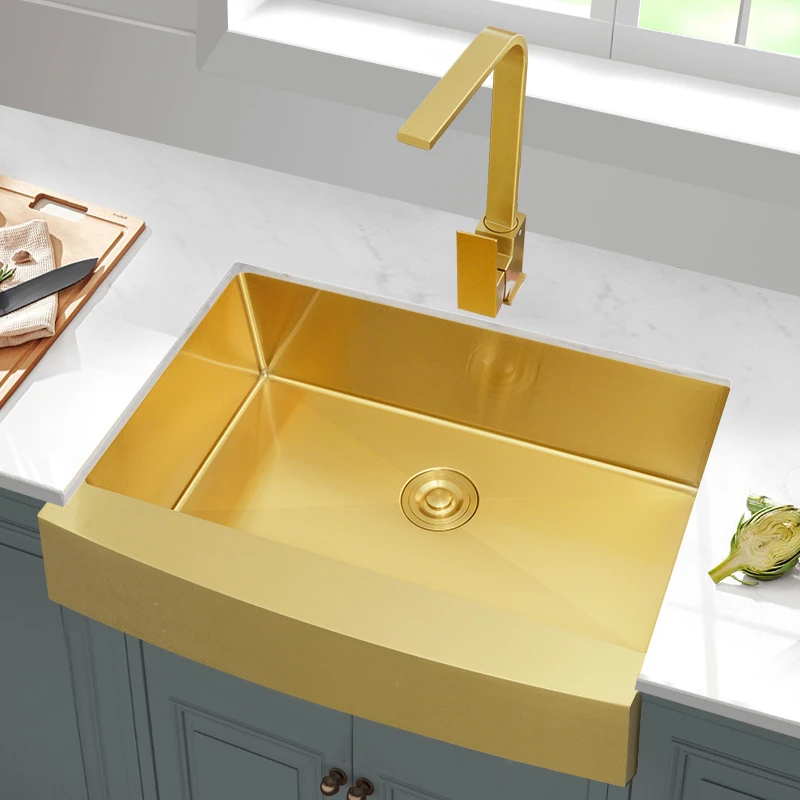
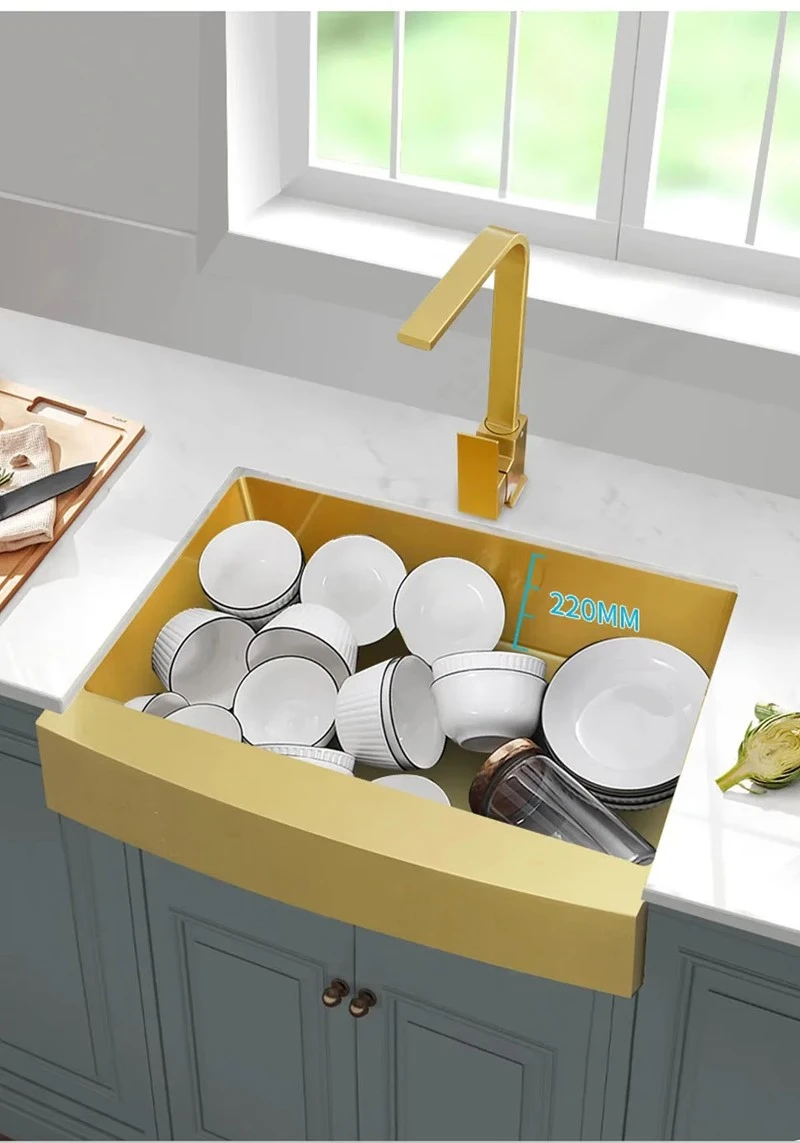
Farmhouse/Apron-Front Sinks: Are sought after for their classic and robust character, often associated with country-style kitchens.
Innovative Configurations: Beyond single and double bowls, sinks are evolving into multi-functional workstations with integrated accessories like cutting boards, strainer baskets, and prep bowls.
4. Key End-User Segments
Residential/Household: The primary driver of demand. Homeowners are increasingly viewing the kitchen as the heart of the home and are investing in sinks that reflect their personal style and modern lifestyle.
Commercial: The fastest-growing end-user segment, fueled by the expansion of the hospitality, food service, and retail industries. This sector demands heavy-duty, hygienic sinks designed to withstand high-volume use.
5. Major Brands and Retailers
The market is served by a mix of international brands and local suppliers:
International Brands: Premium brands like BLANCO (known for precision German engineering), Franke (offering innovative Tectonite sinks), and Kohler are highly sought after for their quality and design.
Local Suppliers and Retailers: Companies like Italtile (exclusive retailer for Franke in SA), Classic Luxury (proud stockist of BLANCO), and On Tap Plumbing & Bathrooms offer a wide range of products from various brands, providing options for different tastes and budgets. Artisanal creators like Seedleme provide unique handmade concrete options.
6. Market Drivers and Trends
Urbanization and Construction Boom: Rapid urban growth and new residential and commercial developments, particularly in cities like Johannesburg, Durban, and Cape Town, are key drivers.
Rising Disposable Incomes: A growing middle class with higher purchasing power is investing in home improvements and premium kitchen fixtures.
Sustainability and Innovation: There is a growing demand for eco-friendly products made from recycled or sustainable materials (e.g., Franke's 100% recyclable Tectonite). Water conservation features, like integrated filtration systems, are also becoming important.
Influence of Global Design: E-commerce platforms and digital media are making global design trends more accessible, fueling demand for innovative and high-quality sinks.
7. Challenges
Fluctuating Raw Material Costs: Volatility in the cost of materials like stainless steel and composites poses a challenge for manufacturers and can impact final pricing.
Consumer Education: Adapting to diverse cultural preferences and educating consumers about the benefits of new materials and innovative designs remains a hurdle for the market.
8. Considerations for Purchasing
When choosing a kitchen sink in South Africa, consider:
Material: Balance aesthetics, durability, maintenance, and budget.
Installation Type: Choose between undermount, top-mount, or farmhouse based on your countertop and desired look.
Size & Configuration: Consider your kitchen space and washing habits (single bowl, double bowl, with/without drainboard).
End-Use: A busy family kitchen or a commercial kitchen will have different durability requirements than a seldom-used secondary sink.
Supplier & Warranty: Purchase from reputable retailers and understand the warranty terms. For example, Franke Tectonite sinks come with a 5-year warranty against manufacturing defects.
Conclusion
The South African kitchen sink market is a vibrant landscape where tradition meets innovation. It is characterized by a strong demand for durable, stylish, and increasingly sustainable products. From the enduring popularity of stainless steel to the rise of high-tech composites and unique artisanal concrete, there is a sink to suit every kitchen design and functional need, driven by the nation's view of the kitchen as the heart of the home.
What are the most innovative sustainable materials being used in South African kitchen sinks?
Here are some of the most innovative sustainable materials being used in South African kitchen sinks, based on current trends and available products:
1. Franke Tectonite Composite
Description: Tectonite is a high-performance composite material developed by Franke. It combines carbon fiber polyester (similar to modern armor plating for impact resistance), quartz particles, and acrylic resins. This creates a non-porous, granite-like surface that is lightweight yet highly durable.
Sustainability Features:
100% Recyclable: Tectonite sinks are fully recyclable, aligning with circular economy principles.
Durability: Resistant to stains, impacts, chipping, heat, and bacteria, reducing the need for frequent replacements.
Eco-Friendly Production: Franke prioritizes resource-efficient designs and environmentally friendly manufacturing processes.
Additional Benefits: UV protection, thermal shock compliance (EN13310), and a sleek aesthetic suitable for modern kitchens. These sinks are exclusively available through Italtile and carry their LiveGreen label.
2. Blanco Silgranit Granite Composite
Description: Silgranit is a patented granite composite material by Blanco, made from a blend of granite granules and high-quality acrylic resins.
Sustainability Features:
Durable and Long-Lasting: Highly resistant to scratches, stains, and heat, ensuring a long product life cycle.
Eco-Conscious Manufacturing: Blanco emphasizes sustainable production practices and reduced environmental impact.
Additional Benefits: Hygienic, non-porous surface that inhibits bacterial growth, and available in various colors and configurations (e.g., single or double bowl). Distributed in South Africa by Classic Luxury.
3. Premium Stainless Steel (304 Grade)
Description: While stainless steel is a traditional material, innovations in its treatment and functionality enhance its sustainability profile.
Sustainability Features:
Recyclability: Stainless steel is 100% recyclable without degradation in quality.
Durability: High resistance to corrosion and wear, especially in 304-grade variants, which are common in quality sinks.
Efficient Production: Modern manufacturing often incorporates energy-saving techniques and reduced waste.
Innovative Add-Ons: Some brands, like HIGOLD , incorporate nano-technology coatings for easy cleaning, noise-reduction pads, and water-efficient designs (e.g., multi-stream drainers) to enhance functionality and reduce environmental impact.
4. Recycled Copper and Cast Iron
Description: Though less common, sinks made from recycled copper or cast iron are gaining attention for their unique aesthetics and sustainability.
Sustainability Features:
Use of Recycled Materials: These sinks often incorporate high percentages of post-consumer recycled content.
Long Lifespan: Durable and develop a patina over time, which can reduce the need for replacement.
Considerations: Typically used in artisan or niche markets, and require specific maintenance to preserve their eco-friendly benefits.
5. Fireclay and Ceramic
Description: Traditional materials like fireclay and ceramic are being reinvented with sustainable production methods.
Sustainability Features:
Natural Materials: Made from natural clay and minerals, often sourced locally to reduce carbon footprint.
Durability: Resistant to chips and scratches, with a long lifespan if properly maintained.
Innovation: Modern fireclay sinks often feature lighter weights and improved glazing techniques to reduce resource use during production.
Key Drivers and Trends in South Africa:
Consumer Demand: Growing middle-class interest in eco-friendly products driven by water scarcity concerns and desire for durable, long-lasting materials.
Regulatory Standards: The South African Bureau of Standards (SABS) enforces guidelines for quality, safety, and sustainability.
Local Manufacturing Initiatives: Programs like the Industrial Policy Action Plan (IPAP) encourage domestic production of sustainable sinks, reducing reliance on imports and supporting local innovation.
For more details on specific products or brands, you can explore retailers like Italtile (for Franke) or Classic Luxury (for Blanco).