

L Shaped Kitchen Cabinet Ideas
May 15, 2025
Leave a message
L-Shaped Kitchen Cabinet Ideas

An L-shaped kitchen layout is a versatile and efficient design, ideal for small to medium-sized spaces. It maximizes corner storage and creates a natural "work triangle" between the sink, stove, and refrigerator. Below are creative cabinet ideas to optimize functionality and aesthetics in your L-shaped kitchen:
1. Cabinet Layout & Workflow
Base Cabinets:
Use deep drawers for pots/pans, pull-out shelves for spices, and corner solutions (e.g., lazy Susans or magic corner units).
Install a pull-out trash bin near the sink or dishwasher.
Upper Cabinets:
Opt for glass-front uppers to display dishware or open shelving for a lighter feel.
Extend cabinets to the ceiling for extra storage (add crown molding for a polished look).
2. Color & Material Ideas
Light & Airy: White or soft gray cabinets with quartz countertops (enhances natural light).
Moody Contrast: Navy lowers + white uppers + brass hardware for drama.
Warm & Natural: Wood veneer cabinets (oak, walnut) paired with stone backsplashes.
Two-Tone Trend: Dark base cabinets (charcoal, forest green) + light uppers.
3. Smart Storage Solutions
Corner Cabinets:
LeMans Pull-Outs: Rotating shelves for easy access.
Diagonal Drawers: Maximize awkward corners.
Vertical Storage:
Tall pantry cabinets with pull-out organizers.
Narrow pull-outs for baking sheets or trays.
Appliance Garages: Hide small appliances (blenders, toasters) behind cabinet doors.
4. Cabinet Styles
Modern Minimalist: Handleless cabinets (push-to-open) + high-gloss finishes.
Farmhouse Charm: Shaker-style cabinets + beadboard accents + apron sink.
Industrial Edge: Matte black cabinets + open shelving + exposed pipe lighting.
Scandinavian: Light wood cabinets (birch, ash) + minimalist hardware + muted tones.
5. Island or Breakfast Bar Addition
Space-Saving Island:
Add a narrow island with seating (if space allows).
Include cabinets for extra storage (drawers, wine racks).
Breakfast Bar:
Extend countertop overhang for bar stools (ideal for small L-shaped kitchens).
6. Lighting Ideas
Under-Cabinet Lighting: LED strips to brighten countertops.
Pendant Lights: Hang over the island or sink for task lighting.
Recessed Lighting: Evenly illuminate the entire workspace.
7. Budget-Friendly Tips
IKEA Hacks: Use SEKTION cabinets with custom fronts (e.g., Semihandmade).
Reface Instead of Replace: Paint existing cabinets and update hardware.
Open Shelving: Replace upper cabinets with affordable wood shelves.
8. Small L-Shaped Kitchen Hacks
Light Colors: White or light gray cabinets to visually expand the space.
Mirror Backsplash: Reflects light and adds depth.
Compact Appliances: Choose slimline dishwashers or 24" ranges.
9. Luxury Upgrades
Custom Cabinetry: Built-in spice racks, soft-close drawers, and integrated charging stations.
Statement Backsplash: Marble slab, hand-painted tiles, or metallic mosaics.
Smart Tech: Voice-activated lighting or motorized cabinet lifts.
10. Sustainability Focus
Eco-Friendly Materials: Bamboo cabinets, recycled glass countertops, or low-VOC paints.
Energy-Efficient Lighting: LED under-cabinet lights or solar-powered skylights.
Final Tips:
Use a kitchen design app to visualize layouts (e.g., IKEA Kitchen Planner).
Balance closed storage with open shelves to avoid a cluttered look.
Match cabinet finishes to flooring for a cohesive aesthetic.
An L-shaped kitchen can be both functional and stunning with the right cabinet design. Whether you're renovating or building new, these ideas will help you create a space that's tailored to your lifestyle!
l shaped kitchen cabinet layout

The L-shaped kitchen layout is one of the most popular and versatile designs for a reason. It efficiently utilizes two adjacent walls, creating a highly functional "work triangle" and leaving the rest of the space open for other uses.
Here is a comprehensive guide to L-shaped kitchen layouts, covering their benefits, ideal applications, design considerations, and how to maximize their potential.
1. What is an L-Shaped Kitchen?
An L-shaped kitchen is configured along two perpendicular walls, forming an "L". This layout typically places the sink, refrigerator, and stove on these two walls, with the open area often used for an island or a dining table.
2. Advantages & Benefits
Efficient Work Triangle: The classic kitchen work triangle (sink-fridge-stove) is naturally integrated into the two legs of the "L," minimizing steps between key tasks (cooking, cleaning, and food storage).
Open & Airy Feel: By occupying only two walls, it opens up the floor plan, making the kitchen feel larger and less cramped. This is ideal for open-concept homes that combine the kitchen with living or dining areas.
Great for Corners: It makes excellent use of corner space, which can often be awkward in other layouts.
Flexible Island Placement: The open floor area provides the perfect opportunity to add a kitchen island for extra prep space, storage, and seating.
Cost-Effective: Generally requires fewer cabinets and less countertop material than a U-shaped layout, making it a budget-friendly option.
3. Potential Drawbacks & Challenges
Limited Storage & Counter Space: Compared to a U-shaped kitchen, you have one less wall of cabinets and countertops. This requires clever storage solutions to avoid a lack of space.
Traffic Flow Issues: If the kitchen is too large, the work zones can become too far apart, breaking the efficient work triangle. In smaller kitchens, the open end can become a major traffic pathway, disrupting the cook.
"Dead" Corner Cabinets: The inside corner of the "L" can be difficult to access and may require specialized hardware (like lazy Susans or pull-out shelves) to be functional.
4. Who is it Best For?
Small to Medium-Sized Kitchens: It's a classic solution for maximizing efficiency in a limited footprint.
Open-Concept Homes: Perfect for blending the kitchen with adjacent living or dining rooms.
Single Cook Households: The compact work triangle is optimized for one person moving between tasks.
Homes with an Adjacent Dining Area: The open end of the "L" can seamlessly connect to an eat-in kitchen table or breakfast nook.
5. Key Design Considerations & How to Optimize
To overcome its potential drawbacks, here's how to design a highly functional and beautiful L-shaped kitchen:
A. Maximize Storage & Functionality
Corner Solutions: Invest in high-quality corner cabinet solutions like:
Lazy Susans: Rotating shelves that bring items to the front.
Magic Corners or Pull-Out Systems: Shelves that slide out and forward, making deep corners fully accessible.
Diagonal Drawers: Custom drawers designed specifically for corner access.
Vertical Storage: Use tall, pantry-style cabinets on one end of the "L" for food storage and small appliances.
Smart Cabinet Interiors: Incorporate pull-out spice racks, tray dividers, cutlery organizers, and deep drawers for pots and pans to maximize every inch of space.
B. Island Integration
An island can transform an L-shaped kitchen from good to great.
Function: Adds crucial prep space, secondary sink, additional storage, and seating.
Placement: Ensure at least 42-48 inches (107-122 cm) of clearance between the island and the main cabinets for comfortable traffic flow and appliance door openings.
Style: The island can be a contrasting color or material to define it as a separate focal point.
C. Appliance & Workflow Placement
The "Golden Triangle": Ideally, place the sink on the short leg of the "L" (under a window if possible), the refrigerator at one end, and the stove on the long leg. The total perimeter of the triangle should be between 13 and 26 feet for maximum efficiency.
Counter Space: Ensure there is landing space next to the fridge and on both sides of the sink and stove.
D. Lighting
Layered Approach: Use a combination of:
Ambient Lighting: Recessed ceiling lights or a central fixture.
Task Lighting: Under-cabinet lighting is essential for illuminating countertop workspaces on both legs of the "L".
Accent Lighting: Pendant lights over an island or sink.
6. Style & Aesthetic Ideas
The L-shape is a blank canvas for any style:
Modern: Use flat-panel cabinets, a waterfall island countertop, and integrated appliances.
Farmhouse: Shaker-style cabinets, a farmhouse sink on the short leg, and open shelving.
Two-Tone: Use one color on the base cabinets and another on the wall cabinets or island to define the space.
Conclusion
The L-shaped kitchen is a timeless, efficient, and adaptable layout that works beautifully in a wide range of homes. Its success hinges on smart planning to maximize storage (especially in corners) and strategic use of the open space for an island or dining area.
When designed well, it creates a harmonious balance between functionality and an open, social atmosphere, making it a perennial favorite for homeowners and designers alike.
Before you finalize your plans, always consult with a kitchen designer to ensure the layout is tailored to your specific space and needs.
small kitchen cabinet layout
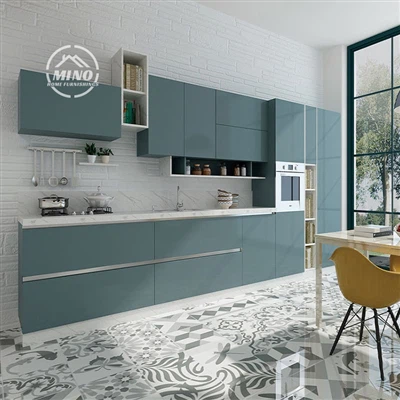
Designing a cabinet layout for a small kitchen is all about maximizing every inch of space while maintaining a sense of openness and functionality. Here is a comprehensive guide to the best small kitchen cabinet layouts, complete with space-saving solutions and pro tips.
1. Optimal Layouts for Small Kitchens
The goal is to create an efficient "work triangle" (sink, fridge, stove) in a compact footprint.
| Layout | Description | Best For | Pros | Cons |
|---|---|---|---|---|
| Galley (Parallel) | Cabinets and counters on two opposing walls with a single walkway between them. | Narrow, rectangular spaces. | Extremely efficient workflow, minimal wasted space. | Can feel cramped; poor for socializing. |
| L-Shaped | Cabinets along two adjacent walls, forming an "L". | Small square or rectangular rooms. | Opens up the floor, creates a natural work triangle, feels less cramped. | Limited counter and cabinet space; corner cabinet can be awkward. |
| U-Shaped | Cabinets on three walls. | Small but wide enough spaces. | Maximum storage and counter space per square foot. | Can feel enclosed if aisle is too narrow; requires careful planning. |
| Single-Wall | All cabinets and appliances are installed on one wall. | Studios, loft apartments, or very narrow spaces. | Simple, space-efficient, leaves rest of room open. | Inefficient workflow; limited storage. |
Recommendation: For most small kitchens, the Galley or L-Shaped layouts are the most efficient and comfortable choices.
2. Space-Saving Cabinet Solutions & Strategies
This is where you win back precious space. Implement these ideas:
Vertical Storage: Utilize the full height of your walls.
Tall Cabinets: Install floor-to-ceiling cabinets or pantries (even if narrow) for food storage and appliances.
Extended Uppers: Take upper cabinets all the way to the ceiling to avoid dust-collecting gaps. Use the top shelf for rarely used items.
Smart Cabinet Interiors: Standard shelves waste space. Upgrade with:
Pull-Out Drawers: Replace deep shelves with full-extension drawers for easy access to pots and pans.
Vertical Dividers: For baking sheets, cutting boards, and trays.
Corner Solutions: Use Lazy Susans or magic corner units with pull-out shelves to make awkward corners accessible.
Toe-Kick Drawers: Install shallow drawers in the toe-kick space for flat items like pans, linens, or cleaning supplies.
Appliance Integration:
Microwave: Mount it under the counter or in an upper cabinet to free up counter space.
Refrigerator: Choose a counter-depth model to avoid protruding into the walkway.
Open Shelving: Replace some upper cabinets with open shelves. This creates an airy, open feel and makes items accessible. However, it requires neat organization.
Glass-Front Cabinets: They visually open up the space, making it feel larger than it is.
3. Design Tricks to Make the Space Feel Larger
Color & Finish:
Light Colors: White, light gray, or pale pastels on cabinets reflect light and make the space feel open and airy.
Glossy Finishes: High-gloss or semi-gloss cabinet finishes reflect light, enhancing the sense of space.
Hardware: Choose simple, streamlined hardware (e.g., bar pulls) or integrated finger pulls to reduce visual clutter.
Countertops: A light-colored, reflective countertop (e.g., quartz) helps brighten the room.
4. Common Mistakes to Avoid
Overcrowding: Trying to fit too many large appliances or pieces of furniture. Choose compact, multi-functional appliances.
Ignoring the Workflow: Placing the fridge, sink, and stove too far apart, breaking the efficient work triangle.
Dark Colors: Using dark cabinet colors or finishes can make a small kitchen feel cave-like and closed in.
Poor Lighting: Relying on a single overhead light creates shadows. Layer lighting with under-cabinet LED strips, recessed lights, and a central fixture.
5. Step-by-Step Planning Guide
Measure Precisely: Measure the length, width, and height of your kitchen. Note the locations of windows, doors, and existing plumbing.
Prioritize Your Needs: What do you need most? Counter space? Storage? Both? This will guide your layout and cabinet choices.
Sketch a Layout: Draw your kitchen to scale. Experiment with different layouts (Galley, L-Shape) on paper first.
Choose Appliances: Select your fridge, stove, and dishwasher first. Their dimensions are fixed and will dictate your cabinet sizes.
Plan Cabinet Configuration: Decide where each type of storage will go (e.g., pots and pans near the stove, dishes near the dishwasher).
Consult a Professional: For a small space, a kitchen designer can be invaluable in maximizing every centimeter. Many cabinet retailers offer this service for free.
Conclusion
The best small kitchen cabinet layout prioritizes efficiency, storage, and the illusion of space.
For narrow kitchens, a Galley layout is unbeatable for workflow.
For square-shaped rooms, an L-Shaped layout opens up the floor plan.
Maximize every inch with vertical storage, smart pull-outs, and integrated appliances.
Visually expand the space with light colors, reflective surfaces, and good lighting.
By focusing on these principles, you can transform your small kitchen into a highly functional, beautiful, and surprisingly spacious heart of your home.
Final Tip: Consider ready-to-assemble (RTA) cabinets from brands. They offer incredibly space-efficient, modular systems designed specifically for small kitchens with a huge range of smart organizational accessories.