

Wardrobe Cabinet Sliding Door Philippines
Oct 16, 2025
Leave a message
wardrobe cabinet sliding door philippines
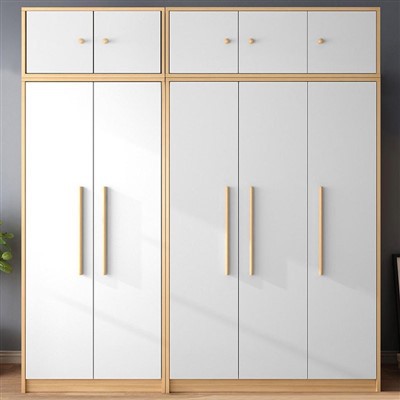
Sliding door wardrobe cabinets are extremely popular in the Philippines due to their space-saving design, modern look, and adaptability to the local climate and living situations.
Here is a comprehensive guide to wardrobe cabinet sliding doors in the Philippines, covering styles, materials, costs, and where to buy.
Popular Types of Sliding Door Mechanisms & Styles
1. Standard Roller Sliding Doors
How it Works: Doors glide on a top and bottom track using roller wheels.
Pros: Most common, reliable, and cost-effective.
Cons: Bottom track can collect dust and dirt.
2. Top-Hung Sliding Doors
How it Works: Doors are suspended from an overhead track. There is no bottom track.
Pros: Sleek, modern look; easy to clean the floor; smoother glide.
Cons: More expensive; requires a very sturdy header above the closet to support the weight.
3. Pocket Sliding Doors
How it Works: Doors slide into a compartment (pocket) within the wall itself.
Pros: Maximizes space; completely out of the way when open.
Cons: Requires custom wall construction; more complex installation.
Common Sliding Door Materials in the Philippines
The choice of material affects cost, durability, and style.
|
Material |
Pros |
Cons |
Price Range |
|---|---|---|---|
|
Laminated Particle Board / MDF |
Affordable, wide variety of colors and finishes (can mimic wood grain). |
Can warp in high humidity; less durable; not termite-proof. |
Low to Mid-range |
|
Engineered Wood (Plywood with Veneer) |
More stable and durable than particleboard; better resistance to warping. |
More expensive than particleboard. |
Mid-range |
|
Aluminum Frame with Glass/Mirror |
Very durable, lightweight, and resistant to humidity and termites. Modern look. |
Can feel less warm; mirrors can be heavy. |
Mid to High-end |
|
Solid Wood (Narra, Mahogany, Acacia) |
Most durable, classic, and high-end look. Can be refinished. |
Expensive; can be heavy; requires maintenance. |
High-end |
Price Estimates in the Philippines (2024)
Prices vary greatly based on size, material, and customization. A typical 6-foot wide (W) x 7-foot high (H) x 2-foot deep (D) wardrobe is the standard for pricing.
Ready-to-Assemble (RTA) / DIY Kits:
₱5,000 - ₱15,000
Where: SM Home, Our Home, Mandaue Foam, Home Along.
Details: Basic particleboard/MDF construction. You assemble it yourself.
Custom-Made (Local Carpenter/Joiner):
₱15,000 - ₱40,000+
Materials: Plywood with laminate or wood veneer.
Details: Tailored to your exact space. Quality depends on the carpenter's skill.
Branded Custom Cabinetry (e.g., Index Creative, Cabemaster, WAC):
₱30,000 - ₱80,000+
Details: Higher-quality materials (e.g., moisture-resistant board), professional design, installation, and warranty.
High-End / Imported Systems (e.g., Hafele, Blum):
₱50,000 - ₱150,000+
Details: Premium materials, innovative storage solutions, and top-quality hardware (soft-close, silent gliding).
Where to Buy in the Philippines
Furniture Stores:
Mandaue Foam: Known for affordable, sturdy furniture and custom options.
Our Home / SM Home: Good for modern, ready-made units.
Home Along: Offers a wide range of styles and custom services.
Specialized Cabinet Makers:
Index Creative, Cabemaster, WAC (Workstation Assembly Corporation): These companies specialize in custom built-in cabinetry and offer the best quality and fit.
Online Marketplaces:
Lazada, Shopee: Good for finding hardware (tracks, rollers) or small, ready-to-assemble units. Be cautious about quality and assembly.
Local Carpenter (Panday):
The most customizable and often cost-effective option if you find a skilled and reputable carpenter.
Key Considerations for the Philippine Setting
Humidity & Termites: Choose moisture-resistant materials like marine plywood or aluminum frames to prevent warping and deter termites. Avoid cheap particleboard for long-term use.
Space-Saving: Sliding doors are perfect for Philippine bedrooms, which are often compact. Top-hung systems are great for easy cleaning.
Ventilation: If storing clothes in a humid environment, consider doors with slats or grilles to allow air circulation and prevent mildew.
Full-Length Mirror: A very popular and practical feature is to have one door panel be a full-length mirror.
Conclusion & Recommendation
For most homeowners in the Philippines, the best balance of quality, cost, and customization is to go with a local custom cabinet maker using moisture-resistant plywood.
Your next steps:
Measure your space accurately.
Get at least 3 quotes from different sources (a furniture store, a specialized cabinet maker, and a local carpenter).
Ask to see samples of their work and the materials they use.
Ensure the quote includes high-quality sliding hardware for smooth and long-lasting operation.
Pro Tip: Investing in good quality soft-close sliding mechanisms (from brands like Blum or Hafele) is worth the extra cost. They prevent slamming, are much quieter, and are more durable, making your wardrobe feel high-end.
wardrobe cabinet standard dimensions

Standard wardrobe cabinet dimensions are designed around ergonomics, common clothing sizes, and typical room layouts. Here is a detailed breakdown of the most common dimensions.
At-a-Glance: Standard Wardrobe Dimensions
|
Component |
Standard Dimension (Inches) |
Standard Dimension (cm) |
Notes |
|---|---|---|---|
|
Overall Height |
72" - 96" |
183 - 244 cm |
Matches standard ceiling heights (8-9 ft). |
|
Overall Depth |
24" |
61 cm |
Critical for fitting hangers. |
|
Overall Width |
36" - 96"+ |
91 - 244+ cm |
Varies based on space; modular units are common. |
|
Hanging Rod Height |
|||
|
- Double Hang (Shirts) |
40" - 42" |
102 - 107 cm |
Top rod height. |
|
- Single Hang (Coats/Dresses) |
66" - 72" |
168 - 183 cm |
Bottom rod height for double-hang section. |
|
Shelf Depth |
14" - 16" |
36 - 41 cm |
Fits folded clothes. |
|
Shelf Height |
12" - 16" |
30 - 41 cm |
Adjustable is best. |
Detailed Breakdown of Each Dimension
1. Overall Depth: The Most Critical Dimension
Standard Depth: 24 inches (61 cm).
Why? This depth allows a standard hanger (typically 18-19 inches wide) to fit comfortably without the clothes touching the back wall or the door being difficult to close.
Minimum Depth: 22 inches (56 cm) is the absolute minimum for shallow closets.
Walk-in Closet Depth: 24 inches remains standard, but you can go deeper (e.g., 28-30 inches) for more luxurious storage or built-in drawers.
2. Overall Height
Standard Height: 80 inches (203 cm). This is the most common height for ready-to-assemble (RTA) wardrobes, leaving space for baseboards and molding.
Ceiling-Height: 96 inches (244 cm) or custom heights are popular for built-in units to maximize storage and create a seamless look.
3. Overall Width
Modular Sizes: Wardrobes often come in modular widths like 24", 30", 36", 48".
Typical Sizes:
Single/Double Door Wardrobe: 36" - 48" wide.
3-Door Wardrobe: 72" wide.
4-Door Wardrobe: 96" wide.
Custom: Width is fully customizable for built-in units.
4. Internal Compartment Dimensions
These are the most important dimensions for functionality.
Hanging Space:
Double Hang (Top Section): Ideal for shirts, blouses, and pants. Height: 38" - 42".
Single Hang (Full-Length): Necessary for dresses, coats, and long garments. Height: 66" - 72".
Shelf Space:
Depth: 14" - 16" (to match the closet depth but can be shallower).
Height between shelves: 12" - 16" for folded clothes. Shelves above the hanging rod are typically 12"-14" high.
Sample Wardrobe Layouts
Here are two common internal configurations for a standard 24" deep x 80" high wardrobe.
Layout 1: Basic Single Door Wardrobe (36" Wide)

Layout 2: Common 2-Door Wardrobe (48" Wide)
This layout splits the space into two sections: one for long hangs and one for double hangs and shelves.

Pro Tips for Optimal Dimensions
1.Prioritize Adjustability: The single best feature is adjustable shelves and hanging rods. This allows you to customize the space as your needs change.
2.Consider Your Longest Items: Always ensure you have at least one section with full-length hanging space (approx. 72" high).
3.Account for Doors: Remember that sliding or hinged doors will reduce the accessible opening. Plan the internal layout around the door tracks or hinges.
4.Go Deeper for Drawers: If you plan to have built-in drawers, a depth of 24" is still fine, but ensure the drawer boxes are slightly shallower (e.g., 22") to clear the hardware.
Conclusion
While the standard depth of 24 inches is non-negotiable for functionality, the height and width are highly flexible.
For the most functional wardrobe:
Stick to 24" depth.
Choose a height that fits your room (80" for freestanding, 96" for built-in).
Ensure the internal layout includes both double-hang and full-length hanging sections.
Final Recommendation: If you are designing a custom built-in wardrobe, draw your internal layout to scale before finalizing the design. This ensures it will meet your specific storage needs.