

Kitchen Cabinet Color Trends 2025
Sep 09, 2025
Leave a message
kitchen cabinet color trends 2025

Here are the key kitchen cabinet color trends for 2025, blending timeless elegance with bold, nature-inspired choices to transform your space:
1. Nature-Inspired Greens & Blues
Sage and Olive Greens: Muted greens like sage (e.g., Sherwin-Williams Evergreen Fog) and olive create calming, organic vibes, perfect for modern farmhouse or Scandinavian styles. Pair with brass hardware and white countertops for a sophisticated look.
Forest Green: Deeper greens like Benjamin Moore Hunter Green add drama and grounding, ideal for well-lit kitchens seeking a luxurious, nature-connected feel.
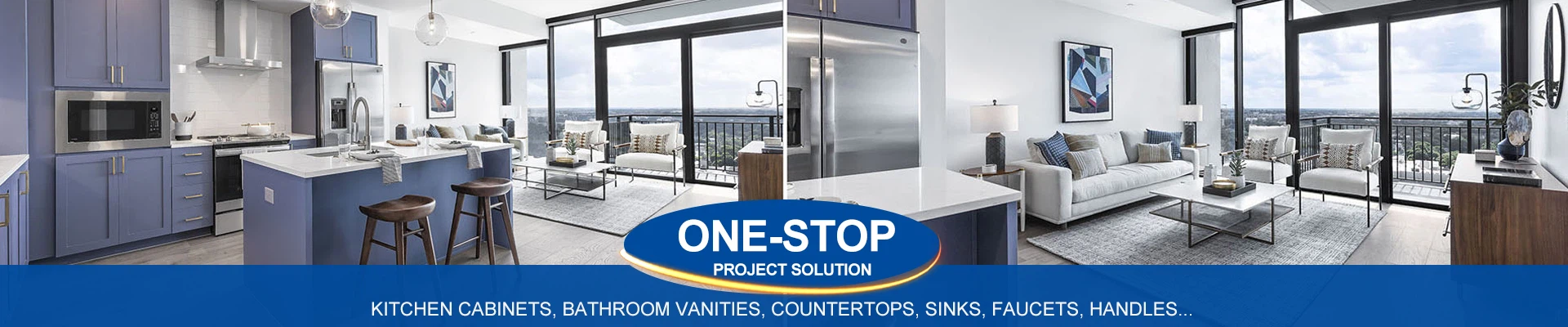
Navy and Powder Blues: Navy (e.g., Benjamin Moore Hale Navy) offers timeless sophistication, while powder blue evokes coastal serenity. Both work beautifully with metallic accents and light surfaces.
2. Warm Neutrals & Earthy Tones
Creamy Whites and Beiges: Warm whites (e.g., Benjamin Moore Simply White) and greiges (e.g., Sherwin-Williams Agreeable Gray) replace stark whites, adding cozy versatility. They brighten spaces without clinical coldness and pair well with wood accents.
Terracotta and Clay: Earthy reds and browns (e.g., Farrow & Ball Red Earth) bring Mediterranean warmth. Use them for accents or lower cabinets to inject rustic-modern charm.
Taupe and Mushroom: These subtle, warm grays provide a sophisticated neutral base, ideal for transitional kitchens.
3. Bold & Moody Statements
Matte Black and Charcoal: Sherwin-Williams Tricorn Black or charcoal gray adds drama and modernity. Balance with light countertops and ample lighting to avoid heaviness.
Jewel Tones: Emerald green or sapphire blue make luxurious statements, especially in high-end kitchens with minimalist hardware.
Deep Burgundy and Aubergine: Rich purples and reds offer unexpected depth for accent islands or traditional designs.
4. Two-Tone & Contrast Designs
Light Uppers + Dark Lowers: Combinations like white uppers with navy lowers create visual interest and balance. This approach defines zones in open layouts.
Accent Islands: Use bold colors (e.g., forest green or terracotta) on islands against neutral perimeter cabinets for a focal point.
Mixed Materials: Blend painted cabinets with natural wood finishes (e.g., white oak uppers + sage green lowers) for texture and warmth.
5. Soft Pastels & Retro Hues
Dusty Rose and Blush Pink: These subtle pinks add whimsy and work well in matte finishes with gold hardware.
Buttery Yellows and Lavender: Soft yellows (e.g., Benjamin Moore Buttercup) evoke cheerfulness, while lavender offers calm uniqueness, ideal for vintage-inspired spaces.
6. Natural Wood Finishes
White Oak and Walnut: Light oak brings Scandinavian minimalism, while walnut adds rich grain for luxury. Often used in Japandi or rustic designs.
Reclaimed Wood: Sustainable options with rustic texture, paired with matte black hardware for eco-conscious styles.
7. Key Considerations for Implementation
Lighting and Space: Light colors (e.g., creams, pastels) enhance small/dim kitchens, while dark tones (navy, black) suit spacious, well-lit areas.
Hardware Pairing: Brass/gold complements warm tones and greens; black hardware modernizes neutrals and creates contrast.
Finishes: Matte and satin finishes hide fingerprints and add sophistication, avoiding high-gloss trends.
Sustainability: Eco-friendly materials like bamboo and low-VOC paints align with nature-inspired trends.
Conclusion
2025 kitchen cabinet colors emphasize a blend of nature-inspired serenity (greens, blues), warm neutrals (creams, terracotta), and bold drama (black, jewel tones). Two-tone designs and natural wood finishes offer flexibility, while pastels add playful touches.
kitchen cabinet storage ideas

Here are some practical and innovative kitchen cabinet storage ideas to maximize space, enhance organization, and create a functional, clutter-free kitchen:
1. Pull-Out Systems & Rotating Solutions
Pull-Out Shelves/Drawers: Install full-extension slides for easy access to deep cabinets, ideal for pots, pans, and pantry items. These eliminate the need to rummage through stacks and work well in base and lower cabinets.
Lazy Susans (Rotating Trays): Perfect for corner cabinets, these rotating shelves bring items to the front with a spin. Use them for spices, condiments, or canned goods. Full-circle or half-moon designs adapt to plumbing constraints.
Pull-Out Pantries: Transform narrow gaps between cabinets or appliances into vertical storage for dry goods, snacks, and bottles. Slim, tall units maximize unused space.
2. Vertical & Overhead Space Utilization
Tiered Shelves/Risers: Double storage capacity by creating multiple levels inside cabinets. Ideal for plates, bowls, and canned goods. Adjustable designs cater to varying item heights.
Tall Cabinets & Open Shelving: Extend cabinets to the ceiling for rarely used items (e.g., holiday dishware). Open shelves provide accessible display for frequently used cookware and add aesthetic appeal.
Door-Mounted Racks & Hooks: Attach spice racks, hooks, or small shelves to the inside of cabinet doors for storing lids, cutting boards, or cleaning supplies. This utilizes often-wasted space.
3. Drawer & Cabinet Organizers
Drawer Dividers/Inserts: Use customizable dividers for utensils, cutlery, and gadgets. This prevents clutter and saves time during cooking. Bamboo or metal organizers are durable and eco-friendly.
Vertical Dividers: Store baking sheets, cutting boards, and trays upright with dividers or tension rods. This prevents stacking and makes items easier to retrieve.
Under-Sink Organizers: Use pull-out racks, tiered caddies, or sliding baskets to optimize the often-cluttered space under sinks. Great for cleaning supplies and trash bags.
4. Corner & Awkward Space Solutions
Corner Pull-Outs/Swing-Outs: Install pull-out trays or swing-out shelves in deep corner cabinets to access items without digging. These systems transform dead space into functional storage.
Toe-Kick Drawers: Utilize the space below base cabinets for shallow drawers storing flat items like baking pans, linens, or rarely used tools.
Appliance Garages: Tuck small appliances (e.g., toasters, coffee makers) behind roll-up or sliding doors to free up counter space while keeping them accessible.
5. Specialized Storage & Accessories
Slide-Out Spice Racks: Integrate narrow, pull-out racks inside cabinets or drawers for spices and small jars. Keeps them visible and organized.
Pull-Out Trash/Recycling Bins: Hide bins inside cabinets with pull-out mechanisms. This saves floor space and maintains cleanliness.
Built-In Lighting: Add motion-sensor LED strips inside cabinets or under shelves to improve visibility in dark areas, making items easier to find.
6. Sustainable & Space-Saving Hacks
Eco-Friendly Materials: Choose organizers made from bamboo, recycled plastic, or metal for durability and sustainability. Bamboo stackable shelves or glass jars reduce waste.
Tension Rods & Pegboards: Install tension rods inside cabinets to hang spray bottles or towels. Use pegboards on walls for customizable hanging of utensils and cookware.
Stackable Containers & Labels: Store dry goods in clear, airtight containers with labels. This reduces clutter, prevents overbuying, and keeps pantry items fresh.
7. Custom & Innovative Ideas
Custom Inserts: Tailor drawers and cabinets with inserts for specific items like knives, lids, or baking sheets. This maximizes space and organization.
Floating Shelves: Add open shelves on empty walls for decorative dishes or frequently used items. They create an open feel and are easy to access.
Multi-Purpose Furniture: Use rolling kitchen carts for additional workspace or storage. Some include drawers, shelves, and even wine racks.
Conclusion
Implementing these storage ideas can transform your kitchen into a highly efficient and organized space. Start by assessing your storage needs and prioritizing solutions based on your kitchen's layout and usage. Focus on maximizing vertical space, utilizing pull-out systems for accessibility, and incorporating eco-friendly organizers for sustainability. For tailored solutions, consider consulting professional services or using design tools like 3D planners to visualize your ideal setup.
Remember, regular decluttering and grouping similar items together will maintain long-term functionality and make your kitchen a joy to work in.
1950s kitchen cabinets

1950s kitchen cabinets are iconic for their unique blend of post-war optimism, functional innovation, and distinct mid-century aesthetics. Here's a detailed overview of their characteristics, styles, and enduring appeal:
1. Design Styles and Materials
Industrial and Minimalist Designs: Many 1950s cabinets featured sleek, utilitarian lines inspired by industrial design. Aluminum-faced cabinets (e.g., French models with wood interiors) were popular for their durability and modern look, often showcasing a blend of metal exteriors and warm wood finishes.
Mid-Century Modern Elegance: Designers like T.H. Robsjohn-Gibbings (for Widdicomb) and George Nelson (for Herman Miller) created cabinets with clean lines, tapered legs, and minimalist hardware. These pieces often used walnut, teak, or ash, emphasizing organic forms and functional beauty.
Custom and Built-In Solutions: Cabinets were frequently designed as built-in units to maximize space, with integrated features like bread slicers, pull-out enamel plates, and spice storage. German manufacturer Poggenpohl exemplified this with compact, highly functional sets featuring Formica tops and glossy-matte paint finishes.
2. Color and Finish Trends
Pastel Hues and Bold Accents: Soft colors like mint green, pale pink, and butter yellow were common, reflecting the era's cheerful optimism. Two-tone combinations (e.g., white uppers with navy lowers) added visual interest.
Natural Wood and Lacquered Surfaces: Warm wood tones (oak, teak, mahogany) were prized for their organic feel, often paired with lacquered finishes in espresso brown or cream for a sophisticated look.
Metallic and Formica Elements: Chrome handles, stainless steel accents, and Formica countertops (in speckled or solid colors) provided a modern, easy-to-clean surface that defined the decade's kitchens.
3. Functional Features
Innovative Storage Solutions: Cabinets included Lazy Susans, pull-out pantries, and vertical dividers for trays/baking sheets. Medical and dental cabinets repurposed for home use featured multi-drawer systems with metal or glass fronts for organization.
Multi-Functional Units: Many designs served dual purposes, such as hoosier-style cabinets with built-in flour bins, or bar cabinets with integrated serving areas and glass storage.
Durability and Craftsmanship: Solid wood construction, dovetail joints, and metal reinforcements ensured longevity. Industrial cabinets from factories or labs were adapted for homes, emphasizing ruggedness.
4. Regional Variations
European Influence: French and Belgian designs (e.g., Tubax cabinets) embraced raw materials like oak and steel, often with rustic or Brutalist touches. Scandinavian styles favored teak and light woods with minimalist silhouettes.
American Innovation: U.S. brands like American Cabinet Company produced sleek metal cabinets for medical/dental use, later adopted in homes for their utilitarian charm. Designers like Paul McCobb blended form and function with slim profiles and brass hardware.
5. Legacy and Modern Relevance
Collectibility and Restoration: Original 1950s cabinets are sought after for their vintage appeal. Restored pieces often retain iconic features (e.g., original Formica, chrome handles) while updating interiors for modern use.
Inspiration for Contemporary Designs: Trends like two-tone color schemes, handleless doors, and open shelving draw direct inspiration from 1950s aesthetics. Brands like IKEA and Poggenpohl continue to echo this era's emphasis on efficiency and style.
Conclusion
1950s kitchen cabinets encapsulate a unique moment in design history, merging post-war practicality with mid-century modern elegance. Their focus on innovative storage, durable materials, and cheerful aesthetics ensures they remain influential in both vintage collections and contemporary kitchen trends. For authentic pieces, explore specialized retailers like 1stDibs or Whoppah, which offer restored examples with historical integrity.
green kitchen cabinets ideas

Here are some stylish and practical green kitchen cabinet ideas to transform your space with nature-inspired elegance, based on the latest 2025 trends:
1. Popular Green Shades & Styles
Sage Green: Creates a calming, earthy vibe. Perfect for modern farmhouse or Scandinavian styles. Pairs beautifully with brass hardware, white quartz countertops, and natural wood accents.
Emerald Green: Bold and luxurious. Ideal for making a statement. Combine with gold handles, marble surfaces, and dark flooring for a sophisticated look.
Olive Green: Offers warm, rustic charm. Works well with matte black fixtures, butcher block countertops, and vintage elements.
Forest Green: Deep and moody. Excellent for larger kitchens. Pair with light countertops, copper details, and ample lighting to avoid a cramped feel.
Mint/Pastel Green: Fresh and airy. Suits small kitchens or coastal themes. Combine with white surfaces and minimalist hardware.
2. Design & Application Ideas
Two-Tone Combinations: Pair green lower cabinets with white uppers for balance, or use a green island as a focal point against neutral perimeter cabinets.
Open Shelving: Mix green cabinets with open wooden shelves to display dishes or plants, enhancing airflow and visual interest.
Glass Fronts & Accents: Use glass-door cabinets (e.g., emerald glass inserts) to showcase decor while maintaining a light feel.
Vintage & Retro Styles: Avocado green or mint green with checkered flooring and retro appliances evoke nostalgic charm.
Eco-Friendly Materials: Opt for sustainable options like bamboo, reclaimed wood, or low-VOC paints aligned with nature-inspired themes.
3. Pairing Tips for Harmony
Hardware: Brass/gold accents add warmth to sage or olive greens; black matte hardware modernizes deep greens like forest or emerald.
Countertops: Butcher block or white quartz complement sage green; marble or dark stone enhance emerald green.
Backsplashes: Subway tiles (white with dark grout) or patterned tiles add texture without overwhelming the space.
Lighting: Maximize natural light with large windows or skylights. Use pendant lights or LEDs to highlight green cabinets' depth.
Walls & Floors: Light walls (e.g., warm white) prevent dark greens from feeling heavy. Herringbone wood floors or terracotta tiles enhance rustic greens.
4. Functional & Stylish Add-Ons
Botanical Elements: Add hanging plants, herb gardens, or living walls to amplify the natural vibe.
Mixed Textures: Combine green cabinets with woven light fixtures, wooden beams, or stone backsplashes for depth.
Accent Colors: Introduce terracotta, cream, or navy through accessories (e.g., bar stools, rugs) for playful contrast.
5. Practical Considerations
Lighting & Space: Light greens (e.g., sage, mint) suit small/dim kitchens; dark greens (e.g., forest, emerald) need ample light.
Finish Choices: Matte finishes hide fingerprints and offer modern elegance; gloss finishes reflect light and are easy to clean.
Maintenance: Clean with mild soap and water; avoid abrasives. Use polish for wood-based cabinets to maintain luster.
Conclusion
Green kitchen cabinets offer versatility-from serene sage to dramatic emerald-all while fostering a connection to nature. For a cohesive look, balance green cabinets with complementary hardware, countertops, and lighting. Explore two-tone designs or accent islands for creativity without overwhelm.