

Kitchen Cabinet Trend
Sep 11, 2025
Leave a message
kitchen cabinet trends

Here are the key kitchen cabinet trends for 2025, blending innovation, sustainability, and personalized design to transform your kitchen into a functional and stylish heart of the home:
1. Nature-Inspired Organic Shapes & Materials
Curved Cabinets and Soft Lines: Say goodbye to sharp edges. Soft, rounded edges and waterfall countertops create a more fluid, inviting space. This design often pairs with organic textures like wood grain or stone veining for a tactile, natural feel.
Sustainable Materials: Eco-conscious choices dominate. Reclaimed oak, bamboo, FSC-certified plywood, and recycled materials (e.g., eco-resins, composite quartz) are prized for their low environmental impact and durability. Low-VOC finishes and water-based stains ensure healthier indoor air quality.
Natural Wood Tones: Warm woods like white oak, walnut, and cherry make a strong comeback, offering warmth and organic beauty. Lighter tones (e.g., white oak) suit Scandinavian designs, while darker walnuts add luxury.
2. Bold Color Palettes & Two-Tone Designs
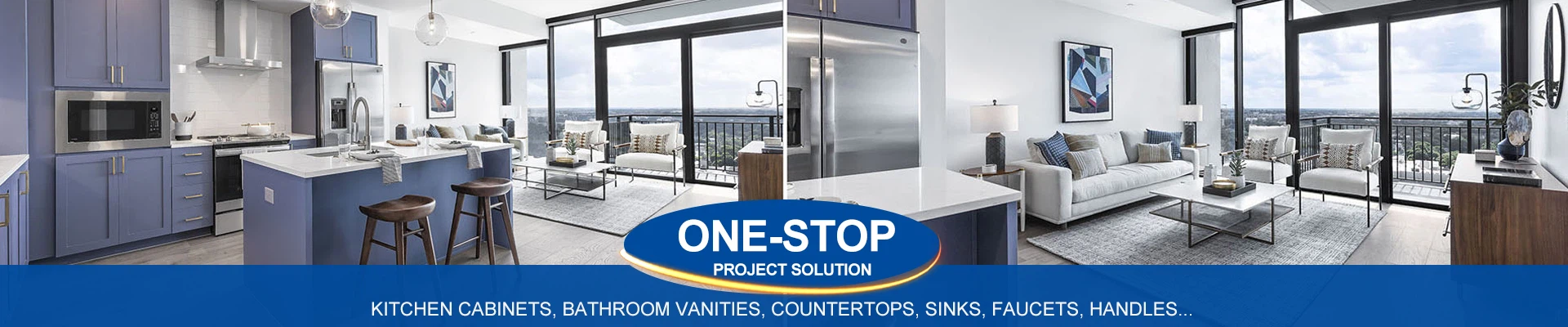
Moody and Earthy Hues: Deep, rich colors like navy blue, emerald green, forest green, charcoal gray, and terracotta are trending. These shades add drama and sophistication, often balanced with warm neutrals (e.g., greige, cream) to avoid overwhelming the space.
Two-Tone Combinations: Contrasting colors or materials create visual interest. Popular pairings include:
Sage green lower cabinets + white uppers
Walnut island + cream perimeter cabinets
Matte black lowers + natural wood uppers.
High-Gloss Finishes: Glossy lacquers in bold colors (e.g., navy, emerald) reflect light, adding a luxe, contemporary touch.
3. Minimalist & Handleless Designs
Sleek, Streamlined Look: Flat-panel or slab cabinet doors with push-to-open mechanisms or integrated finger pulls eliminate visual clutter, enhancing a modern, minimalist aesthetic. This style is easy to clean and aligns with Scandinavian and Japandi influences.
Hidden Appliances: Integrated appliances (e.g., fridges, dishwashers) concealed behind cabinetry panels create a seamless, unified look. Appliance garages and built-in charging stations keep countertops clutter-free.
4. Smart Technology Integration
Sensor-Activated Features: Cabinets with motion-sensor lighting (inside drawers/cabinets), automatic door openings, and touchless faucets enhance convenience and hygiene.
AI and IoT Connectivity: Smart cabinets can include:
AI inventory systems that track groceries and expiration dates.
App-controlled storage with motorized lift systems for upper cabinets.
Temperature-controlled compartments for specific storage needs.
Integrated Charging & Displays: USB ports, wireless charging pads, and transparent display screens on glass-front cabinets for recipe viewing.
5. Sustainable & Eco-Conscious Choices
Circular Design: Cabinets designed for disassembly and reuse, along with recycled materials (e.g., reclaimed wood, bamboo), reduce waste. Energy-efficient manufacturing processes are also prioritized.
Durable, Low-Maintenance Materials: Sintered stone (heat-/scratch-resistant) and stainless steel (water-resistant/recyclable) are popular for their longevity and ease of cleaning.
6. Innovative Storage Solutions
Maximized Space Efficiency: Pull-out pantries, vertical tray dividers, lazy Susans, and toe-kick drawers optimize storage in tight spaces. Corner pull-out systems effectively utilize previously wasted areas.
Hybrid Open/Closed Storage: Mixing open shelving (for displaying décor/essentials) with closed cabinets (concealing clutter) balances aesthetics and functionality.
Multifunctional Cabinets: Features like fold-out countertops, integrated compost bins, and pull-out cutting boards enhance versatility, especially in smaller kitchens.
7. Global Influences & Personalization
Japandi and Mediterranean Styles: Japandi blends minimalism with natural textures (light wood, clean lines), while Mediterranean designs feature arched details, terracotta cabinets, and hand-painted tiles for warmth.
Customization: Homeowners seek personalized layouts, unique finishes, and modular systems tailored to their needs. 3D printing technology enables bespoke designs and intricate door textures.
Conclusion
2025 kitchen cabinet trends emphasize a harmony of beauty, functionality, and sustainability. Key takeaways:
Prioritize eco-friendly materials and smart storage for long-term value.
Experiment with bold colors or two-tone designs for personality.
Embrace minimalist handles and integrated tech for a sleek, modern look.
Consider custom solutions to reflect your unique lifestyle.
kitchen corner cabinet solutions

Here is a detailed guide to kitchen corner cabinet solutions, designed to help you transform awkward, underutilized spaces into highly functional and organized storage areas. These solutions balance practicality, aesthetics, and innovation to suit various kitchen layouts and needs.
1. Rotating Systems for Easy Access
Lazy Susans/Turntables: These rotating shelves (circular, kidney-shaped, or tiered) spin to bring items from the back to the front, eliminating the need to dig deep. They are ideal for storing spices, canned goods, or small kitchen tools in both upper and lower cabinets. While affordable (20–100) and easy to install, they may have weight limits and struggle with oversized items.
Magic Corner/LeMans Systems: These advanced systems feature swing-out or glide-out shelves that maximize space in deep blind corners. Perfect for pots, pans, or appliances, they offer ergonomic access but are more expensive (500–1,500) and often require professional installation.
2. Pull-Out and Slide-Out Solutions
Pull-Out Shelves/Drawers: These shelves glide forward on tracks, providing full access to deep corners. Excellent for heavy cookware or pantry items, they are customizable but costlier (100–500) and may need professional installation .
Blind Corner Pull-Outs: Specifically designed for hard-to-reach corners, these systems slide out and over, revealing stored items like Tupperware or cleaning supplies. They maximize space but require complex installation .
Vertical Dividers: Install racks for baking sheets, cutting boards, or trays stored upright, optimizing vertical space and preventing clutter .
3. Custom and Space-Saving Designs
Diagonal Cabinets: Built at a 45-degree angle, these cabinets improve accessibility and integrate seamlessly with adjacent units. They work well for larger items but may reduce storage in neighboring cabinets .
Corner Drawers: Angled or L-shaped drawers utilize the full triangular space, ideal for utensils or linens. They offer a sleek look but often require custom fabrication (300–1,000).
Tall Corner Pantry Cabinets: Floor-to-ceiling units provide ample storage for dry goods or cleaning supplies. They maximize vertical space but may require a step stool for access .
4. Open and Display-Oriented Solutions
Open Shelving: Removing doors creates an airy, accessible display for dishes or cookbooks. It adds a rustic charm but requires regular dusting and organization.
Glass-Front Cabinets: Glass doors showcase decorative dishware or glassware, adding elegance. They visually expand the space but need frequent cleaning to maintain a polished look .
Floating Corner Cabinets: Wall-mounted units save floor space and offer a modern, minimalist look, ideal for small kitchens or bathrooms .
5. Specialized Functional Units
Appliance Garages: Concealed spaces with roll-up or lift-up doors hide small appliances (e.g., toasters, mixers), keeping countertops clutter-free. They are great for minimalist designs but may sacrifice storage for other items .
Corner Sink Cabinets: Installing a sink in the corner frees up counter space and provides storage for cleaning supplies. This requires careful plumbing planning .
Corner Wine Racks: Transform corners into stylish storage for wine bottles, adding sophistication but limiting use to specific items .
6. Innovative and Niche Ideas
The Cloud: Cloud-shaped shelves fit seamlessly into blind corners, preventing items from toppling into inaccessible areas. They maximize storage but may need professional installation.
Accordion Wall Cabinets: Folding doors open wide for easy access to upper corners, ideal for small kitchens. They are DIY-friendly and affordable (100–400).
Integrated Lighting: LED strips or motion-sensor lights brighten dark corners, enhancing visibility and ambiance. This is a practical upgrade for deep cabinets .
7. Factors to Consider When Choosing a Solution
Kitchen Size and Layout: Small kitchens benefit from vertical racks, pull-outs, or open shelving, while larger spaces can accommodate magic corners or pantries .
Budget: Affordable options include Lazy Susans (20–100) and DIY open shelving. High-end solutions like magic corners or custom drawers range from 500 to 2,000 .
Accessibility Needs: Prioritize ergonomic solutions like pull-down shelves or swing-out systems for ease of use, especially for those with mobility challenges .
Aesthetic Preferences: Match cabinet styles to your kitchen's theme-e.g., glass-fronts for elegance, wood finishes for warmth, or matte surfaces for modern designs .
Storage Requirements: Store heavy items (pots, pans) in sturdy pull-outs, while lighter goods (spices, dishes) suit Lazy Susans or open shelves .
8. Installation and Maintenance Tips
DIY vs. Professional Installation: Simple solutions like Lazy Susans or vertical racks can be self-installed with basic tools. Complex systems (e.g., magic corners, custom drawers) often require professional help for safety and precision .
Maintenance: Clean tracks and rotating mechanisms regularly to prevent sticking. Use organizers like bins or dividers to keep items tidy. For open shelving or glass fronts, dust frequently to maintain a clean look .
Measurement and Planning: Accurately measure your space and assess storage needs before choosing a solution. Consider workflow-e.g., store pots near the stove or spices near prep areas .
Conclusion
Kitchen corner cabinets, once challenging, can become highly functional and stylish with the right solutions. Whether you opt for rotating systems like Lazy Susans for affordability, pull-out drawers for heavy-duty storage, or open shelving for a rustic touch, each option offers unique benefits. Prioritize your kitchen's layout, budget, and usage habits when selecting a solution. For custom needs, consult professionals to ensure optimal results. By leveraging these ideas, you can transform wasted corners into efficient, organized spaces that enhance your kitchen's functionality and appeal .
modern kitchen cabinet colors


Here is a comprehensive overview of modern kitchen cabinet color trends for 2025, designed to help you create a stylish, functional, and personalized space. These trends blend timeless elegance with bold innovation, reflecting a shift toward nature-inspired hues, sophisticated neutrals, and personalized expressions.
1. Nature-Inspired Greens & Blues
Sage Green: This muted, earthy green evokes tranquility and pairs beautifully with natural materials like wood and marble. It works well in both modern farmhouse and minimalist designs, often complemented with brass or matte black hardware for a balanced look.
Navy Blue: Deep navy blue adds sophistication and drama, ideal for creating a focal point in larger kitchens or on islands. It pairs elegantly with gold hardware and white countertops for a luxurious contrast.
Forest Green: A richer, darker green that brings depth and a connection to nature, often used in spaces aiming for a cozy yet refined ambiance.
2. Warm Neutrals & Earthy Tones
Warm Whites/Creams: Off-whites and creamy tones (e.g., Benjamin Moore's "White Dove" or Farrow & Ball's "Wimborne White") offer a softer alternative to stark white, adding warmth and versatility to modern kitchens. They are perfect for small spaces as they reflect light and create an airy feel.
Greige & Taupe: These blends of gray and beige (e.g., Sherwin Williams' "Agreeable Gray") provide a sophisticated, neutral backdrop that works with various styles, from transitional to contemporary. They pair well with both warm and cool accents.
Terracotta & Earthy Browns: Warm, rustic tones like terracotta bring Mediterranean charm and work beautifully with natural wood elements and cream countertops for a cozy, inviting atmosphere.
3. Bold & Dramatic Statements
Matte Black: Ideal for creating high-contrast, modern kitchens, matte black cabinets exude luxury and pair well with light countertops, metallic hardware (e.g., gold or brass), and textured backsplashes. They are especially effective in well-lit spaces to avoid a cramped feel.
Charcoal Gray: A versatile dark neutral that adds depth without overwhelming the space, often used in industrial or minimalist designs alongside stainless steel or marble surfaces.
Jewel Tones: Deep burgundy, emerald green, or sapphire blue are emerging as bold choices for homeowners seeking luxury and personality. These colors work best as accents on islands or lower cabinets to balance their intensity.
4. Soft Pastels & Unexpected Hues
Blush Pink & Dusty Rose: These soft pinks add a touch of whimsy and warmth, perfect for creating a cheerful, modern vibe when paired with white countertops and gold hardware.
Soft Lavender & Mint Green: Pastel shades like lavender and mint bring a fresh, calming energy to kitchens, ideal for Scandinavian or vintage-inspired designs.
Buttery Yellow: Sunny yellows (e.g., Benjamin Moore's "Sunflower") inject energy and brightness, particularly effective in small kitchens or as accent colors to avoid overwhelming the space.
5. Natural Wood Tones
White Oak & Walnut: Light woods like white oak offer Scandinavian minimalism, while richer walnuts add warmth and texture. Natural wood finishes are prized for their sustainability and ability to blend with modern elements like metal or glass.
Reclaimed Wood: Eco-friendly and character-rich, reclaimed wood cabinets provide a rustic yet modern look, often used in open shelving or two-tone designs for added visual interest.
6. Two-Tone & Mixed Material Designs
Color Combinations: Pairing contrasting colors (e.g., navy lowers with white uppers or wood bases with painted uppers) creates dynamic visual interest and defines zones in open-concept kitchens.
Mixed Finishes: Combining materials like wood, metal, and glass (e.g., glass-front uppers with solid lowers) adds texture and modernity. This approach allows for personalized, layered aesthetics.
7. Key Considerations for Choosing Colors
Kitchen Size & Lighting: Light colors (e.g., whites, pastels) enhance small or dimly lit kitchens, while dark colors (e.g., navy, black) suit spacious, well-lit areas. Always test samples under natural and artificial light.
Hardware & Accents: Metallic finishes (e.g., brass, black matte) can elevate cabinet colors. For example, gold hardware complements navy or green cabinets, while black hardware adds contrast to light tones.
Sustainability: Low-VOC paints and eco-friendly materials (e.g., bamboo, reclaimed wood) align with modern trends toward healthier, environmentally conscious choices.
Functionality: Consider finishes-matte hides fingerprints, while gloss reflects light and is easy to clean. Integrate smart storage solutions (e.g., pull-out drawers, Lazy Susans) to enhance usability.
Conclusion
Modern kitchen cabinet colors in 2025 embrace a balance of nature-inspired serenity (e.g., sage green, warm woods), bold sophistication (e.g., matte black, navy), and personalized expression (e.g., two-tone designs, pastels). When choosing a color, prioritize your kitchen's layout, lighting, and lifestyle needs. For a timeless yet contemporary look, consider pairing neutral bases with bold accents or integrating natural materials. Always test samples in your space and consult professionals for custom solutions to achieve a kitchen that is both beautiful and functional.